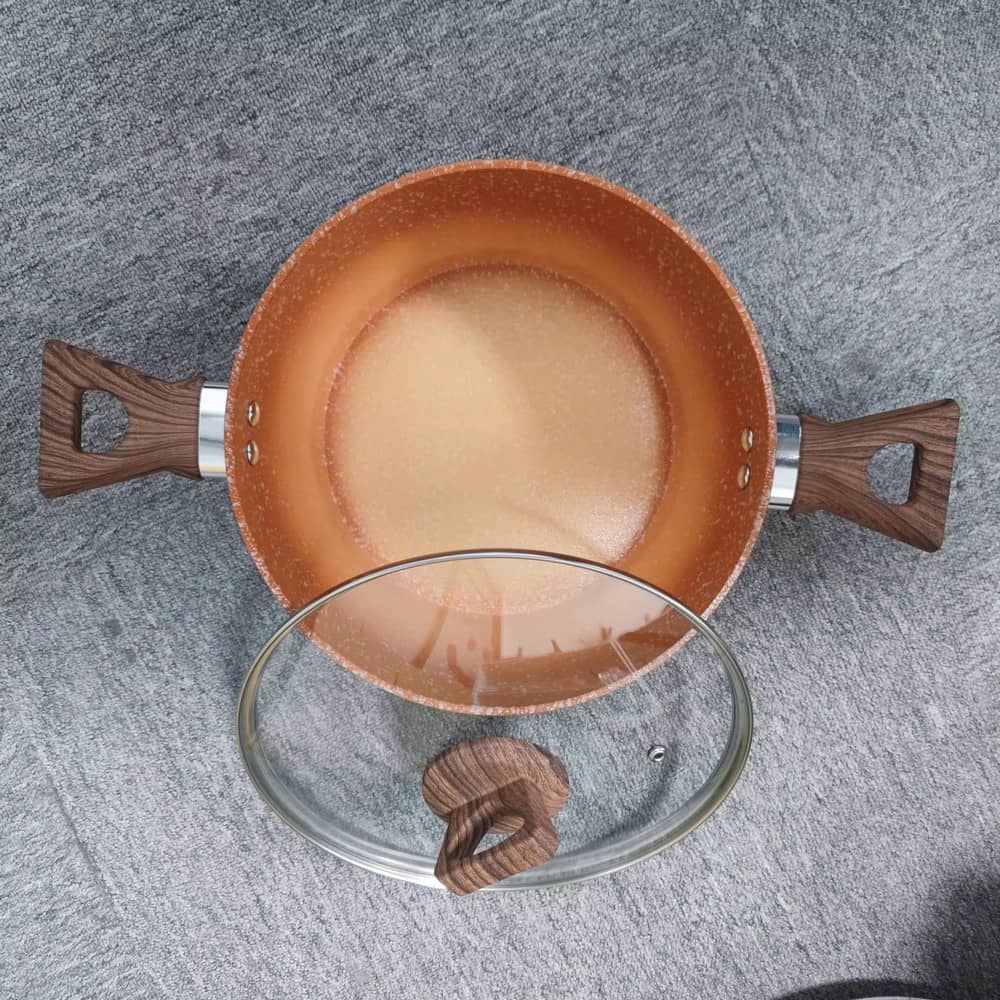
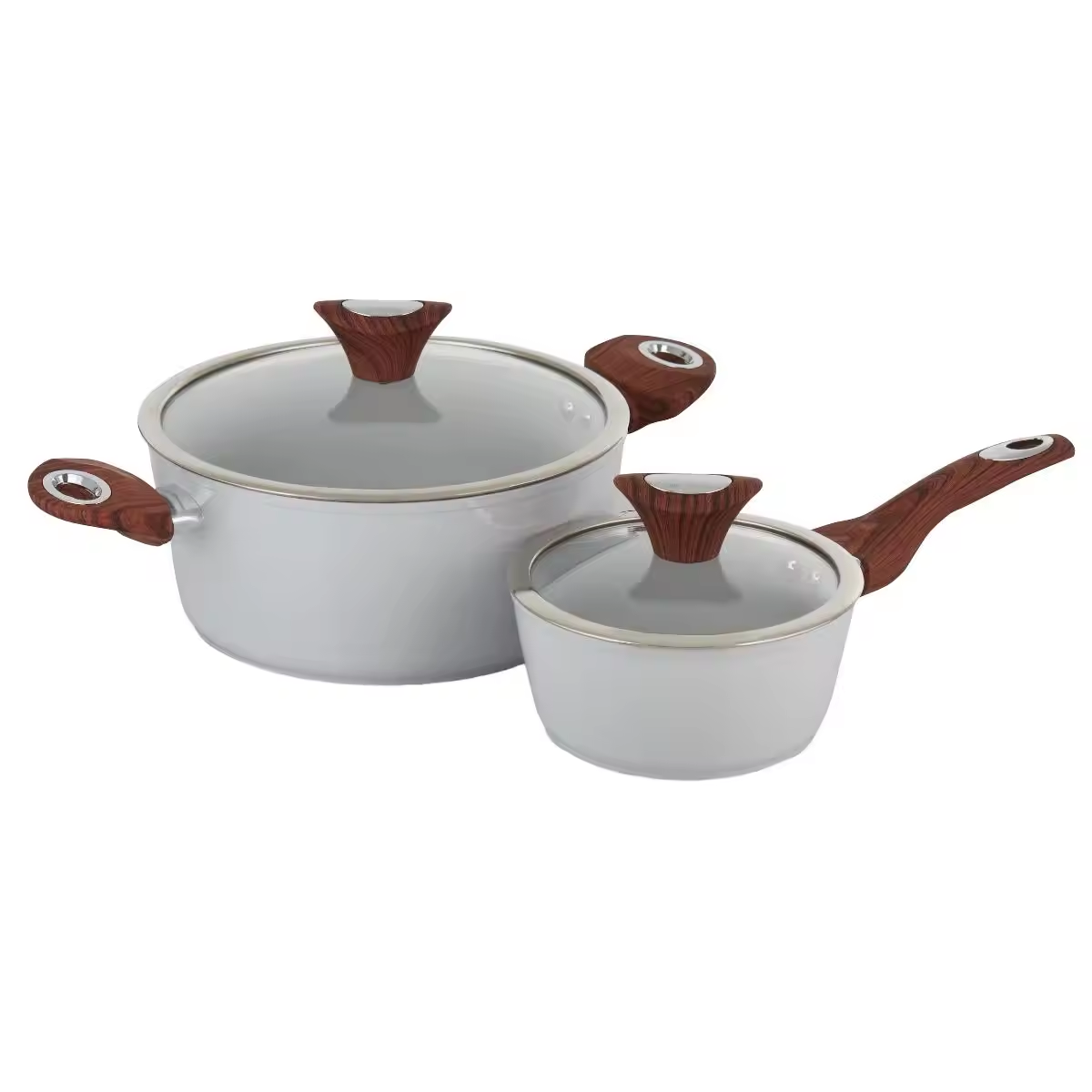
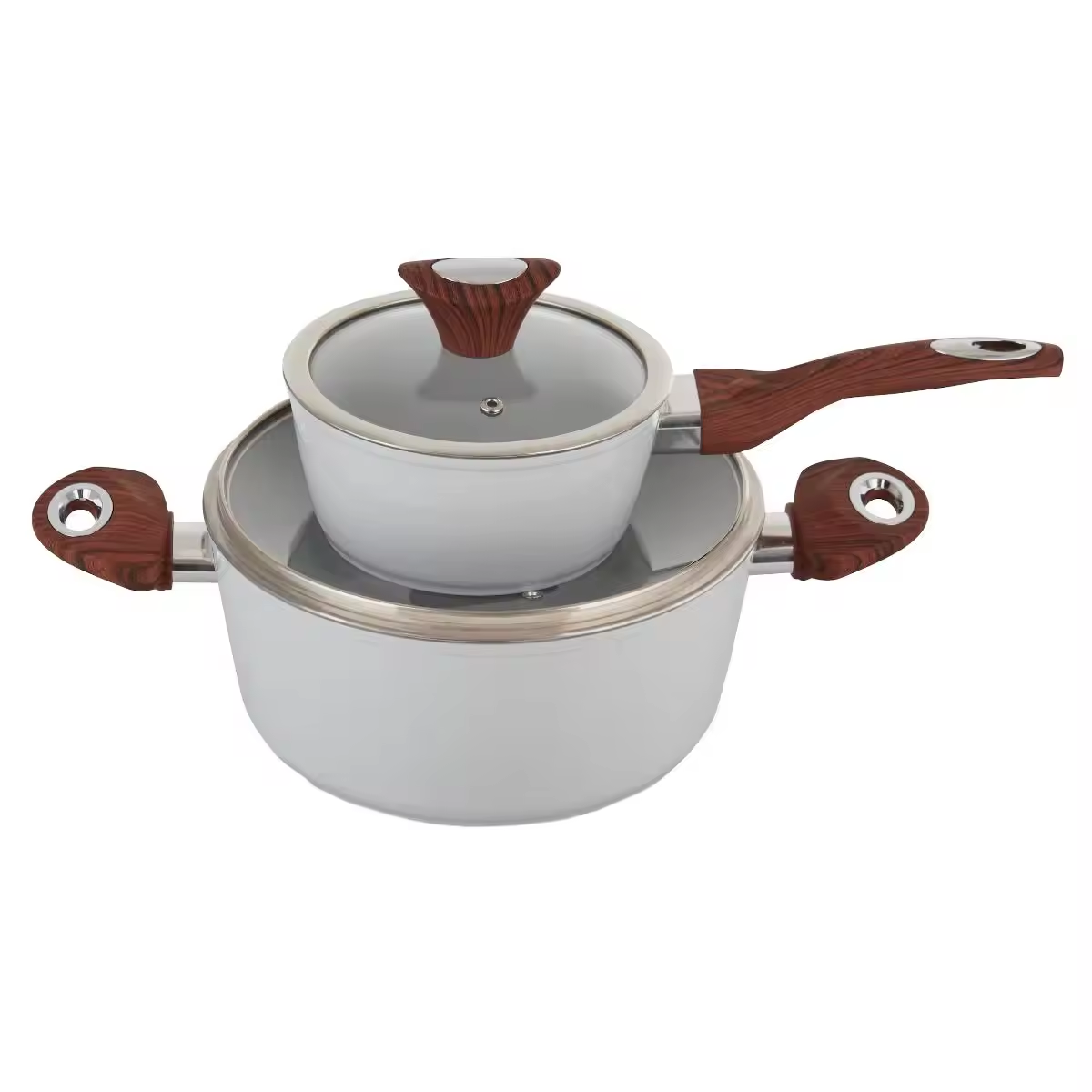
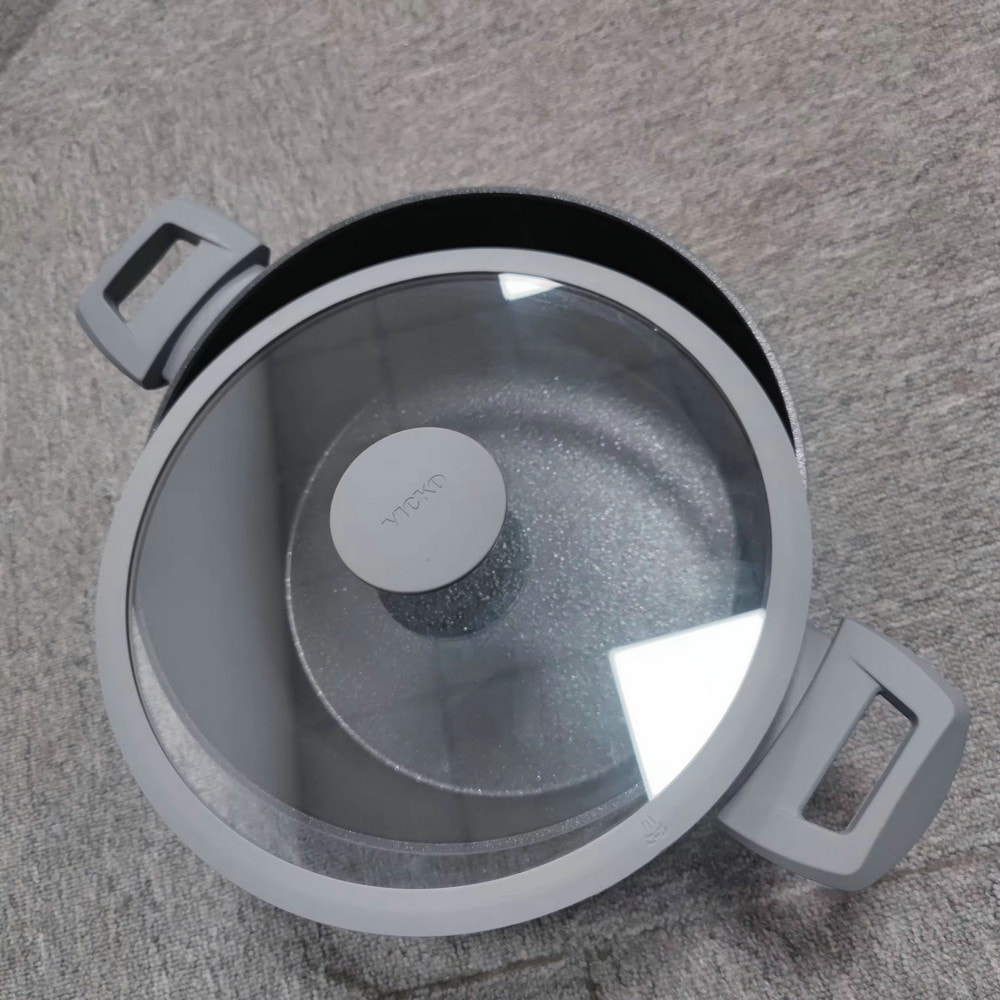
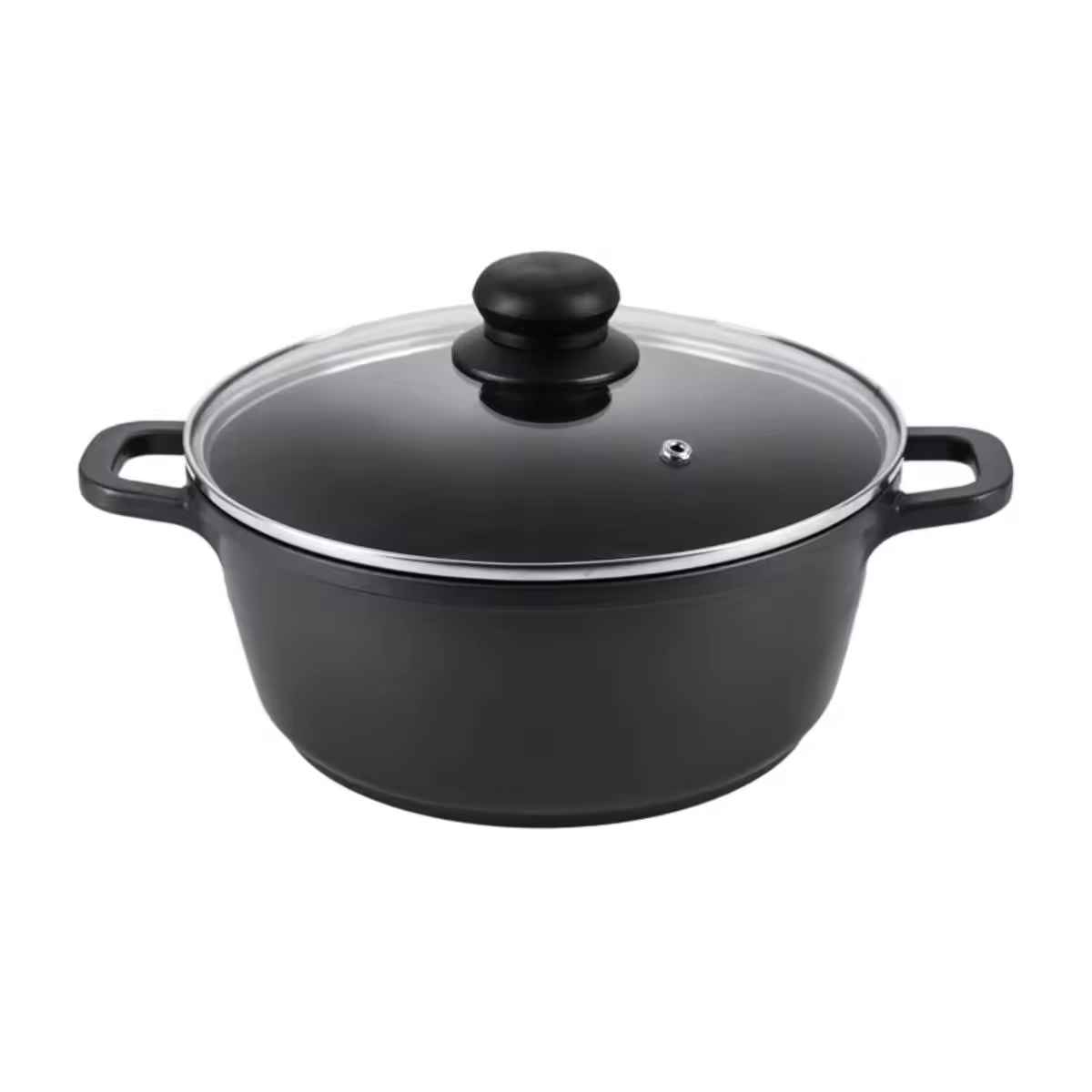
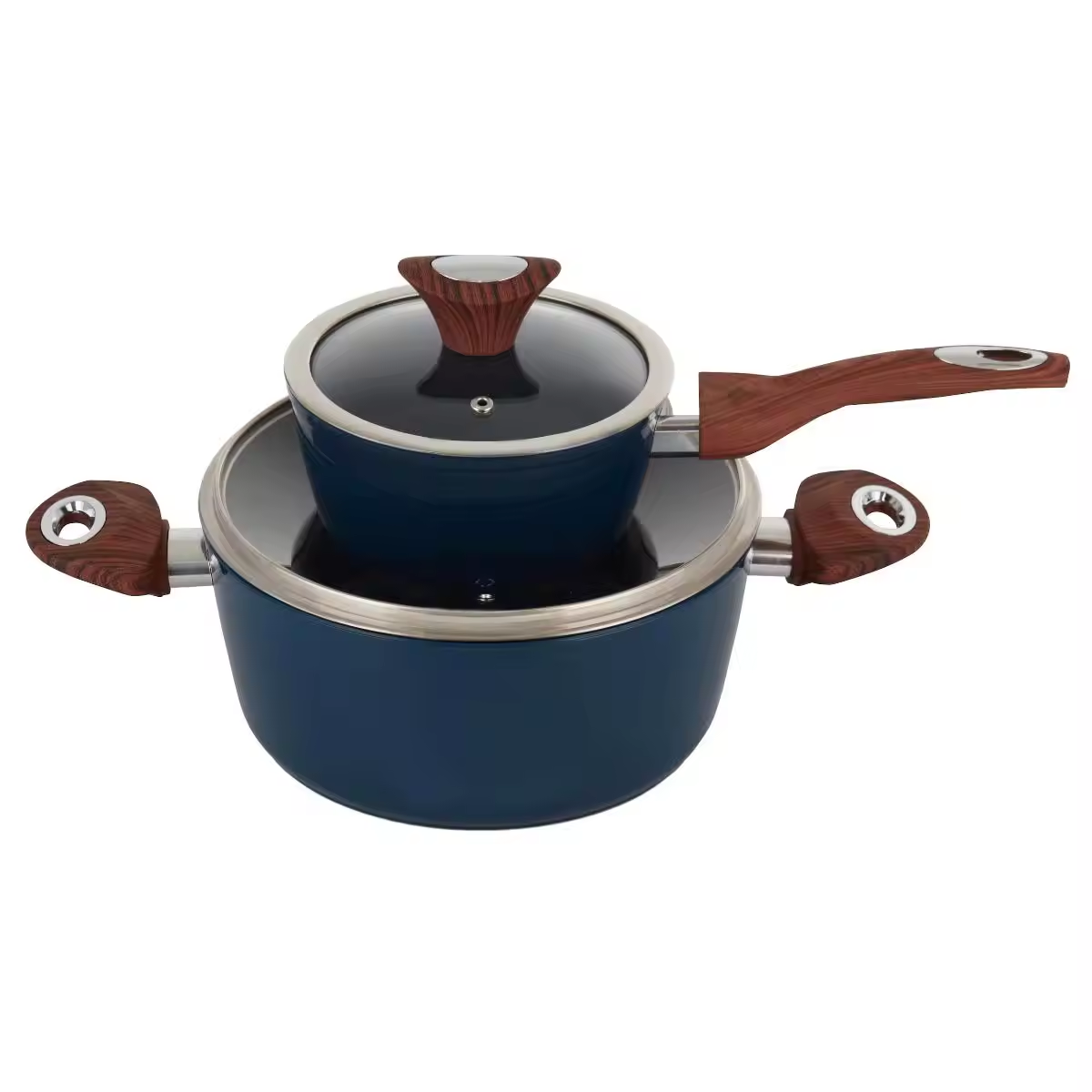
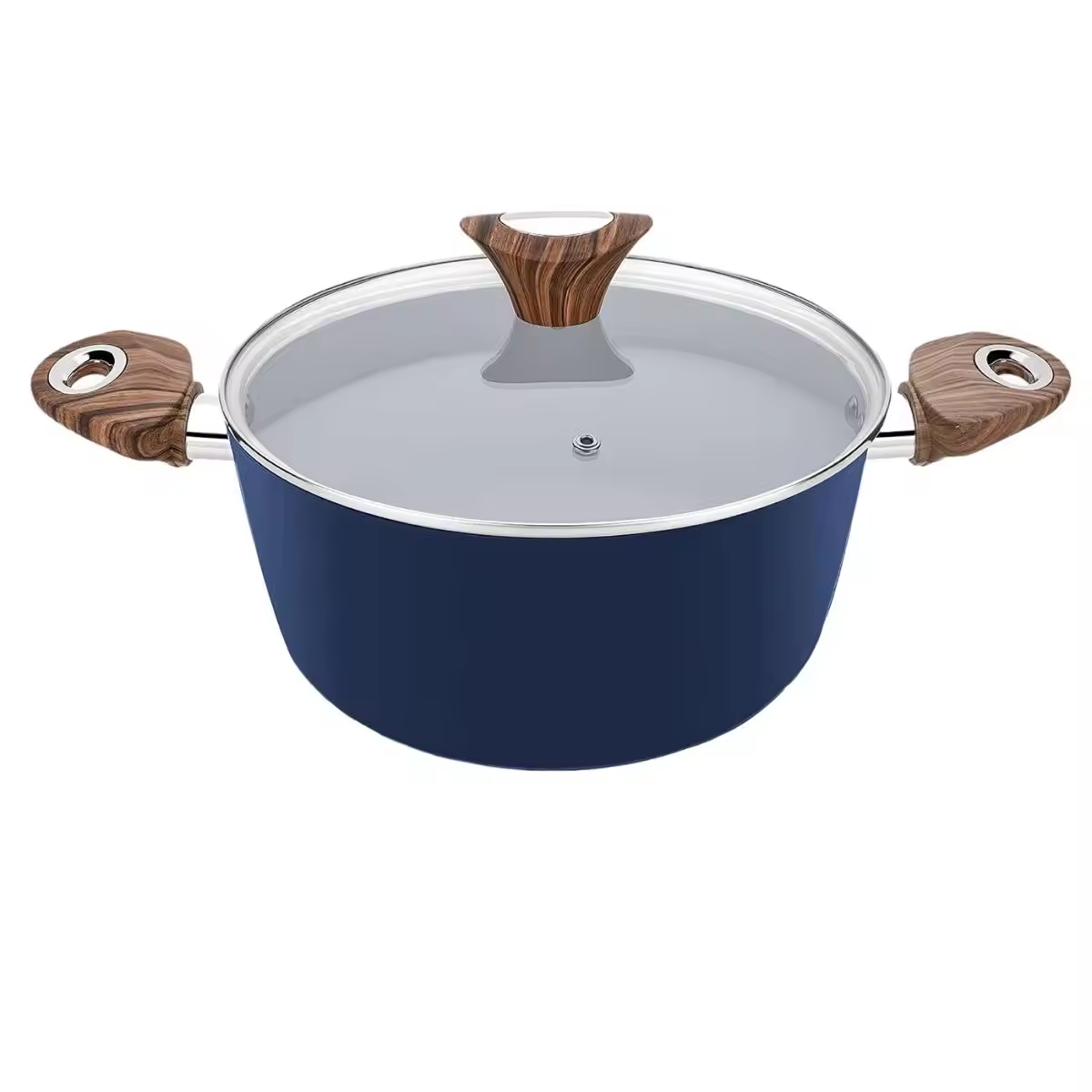
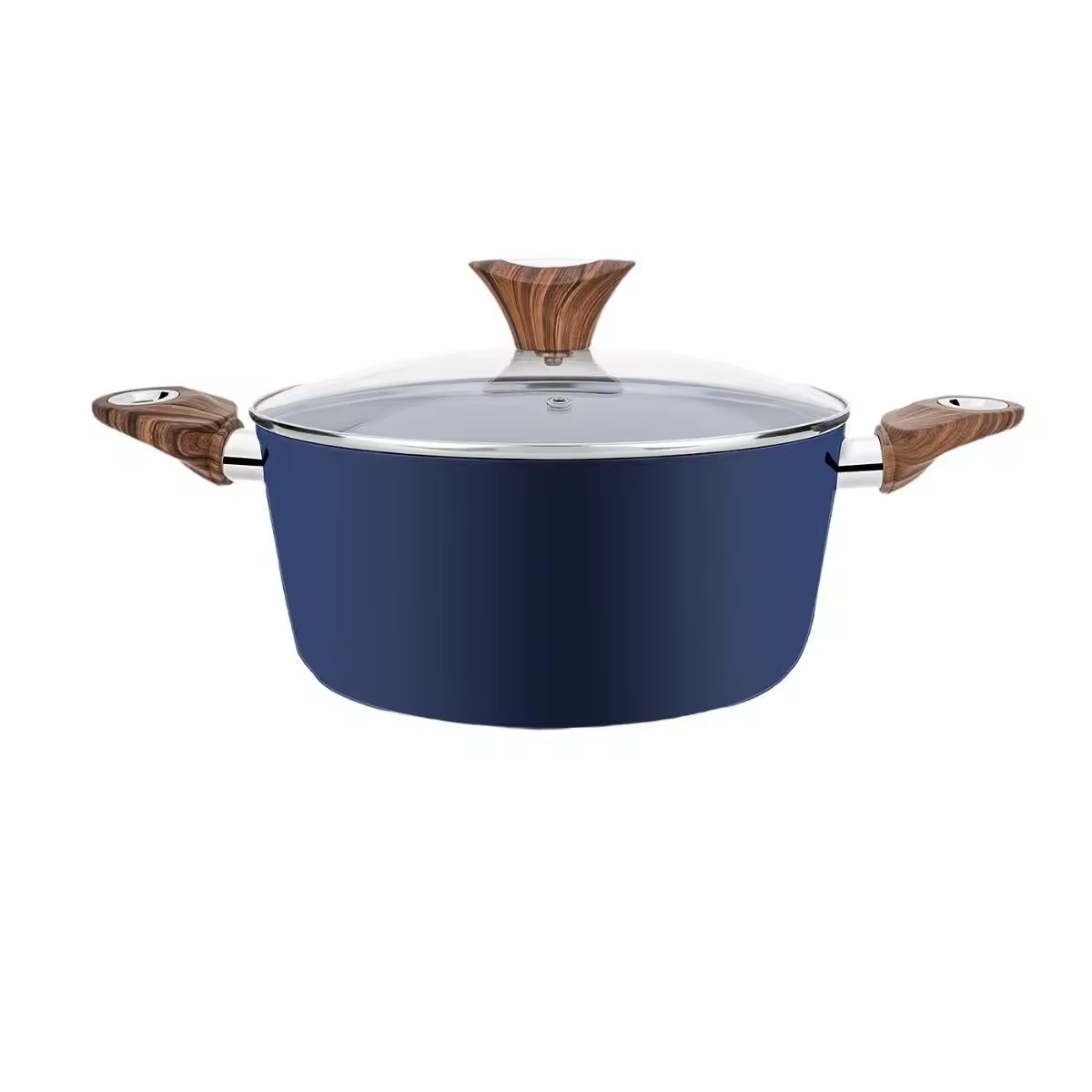
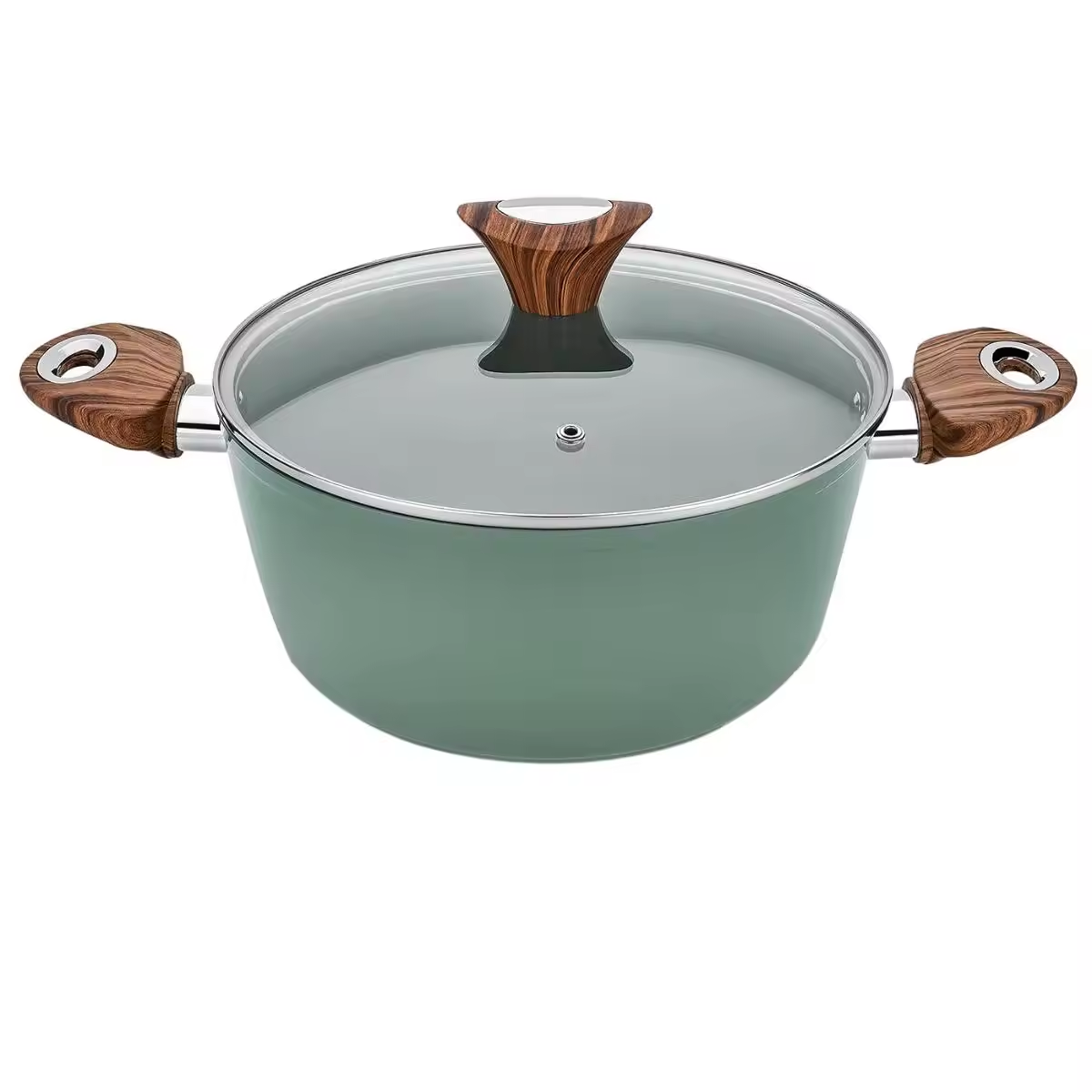
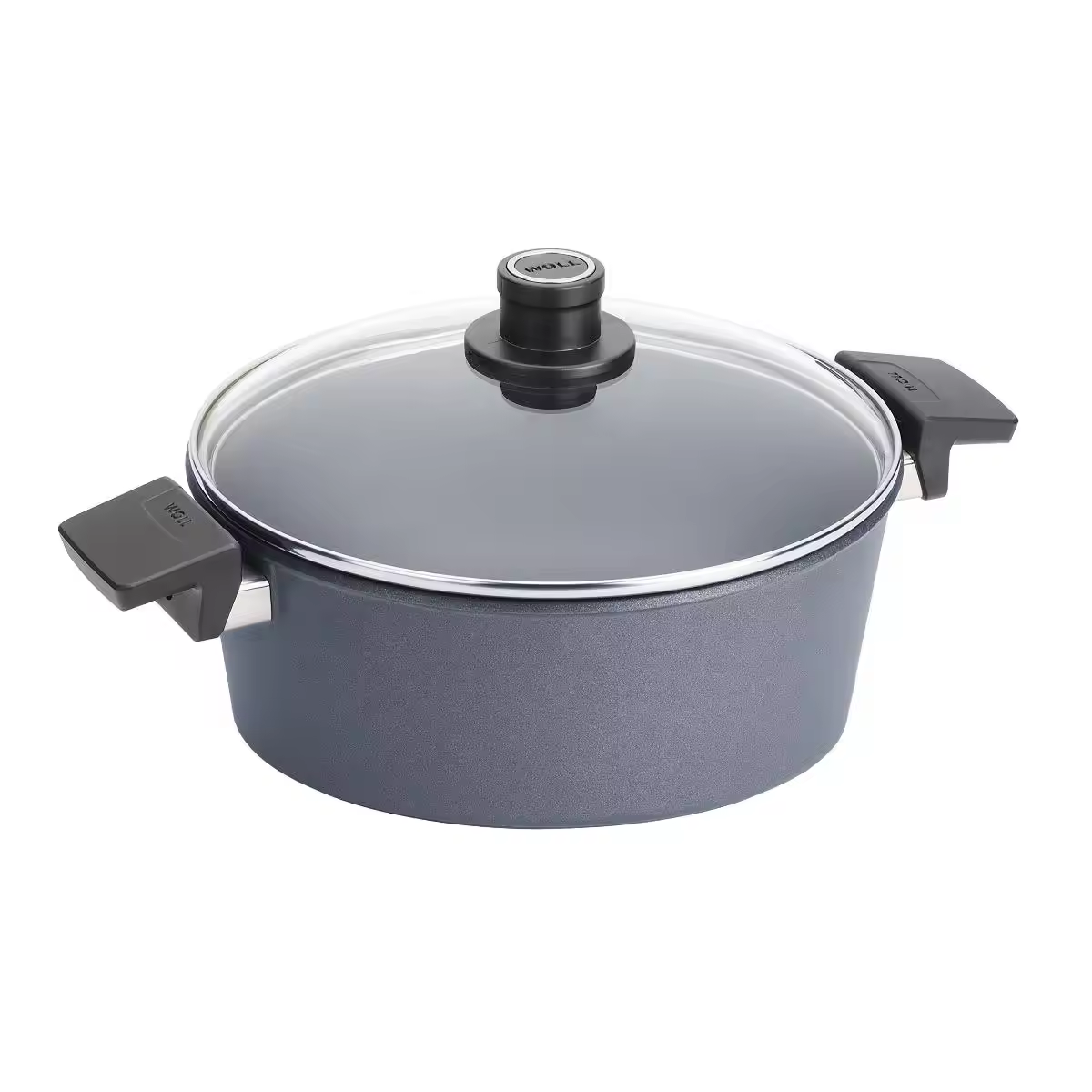
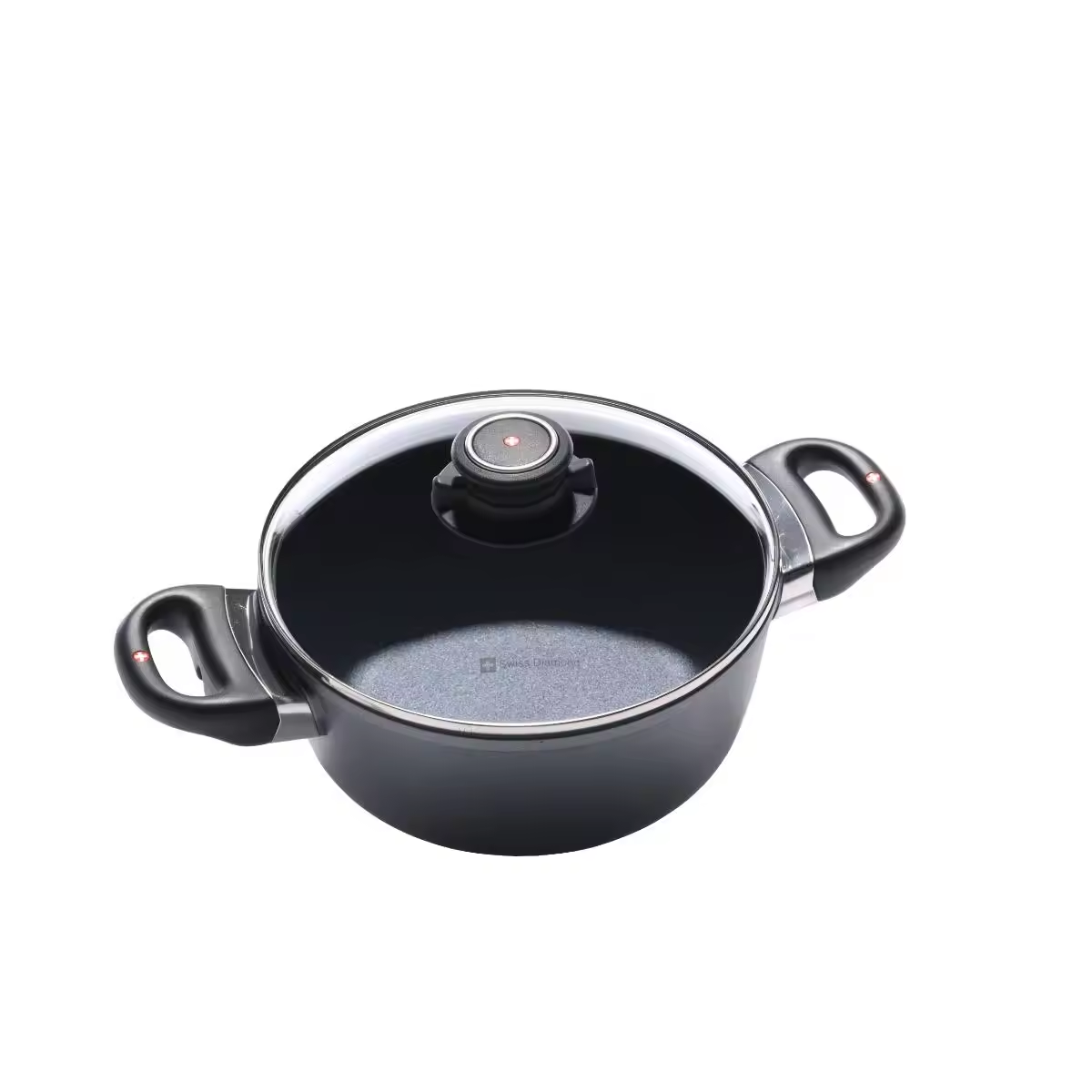
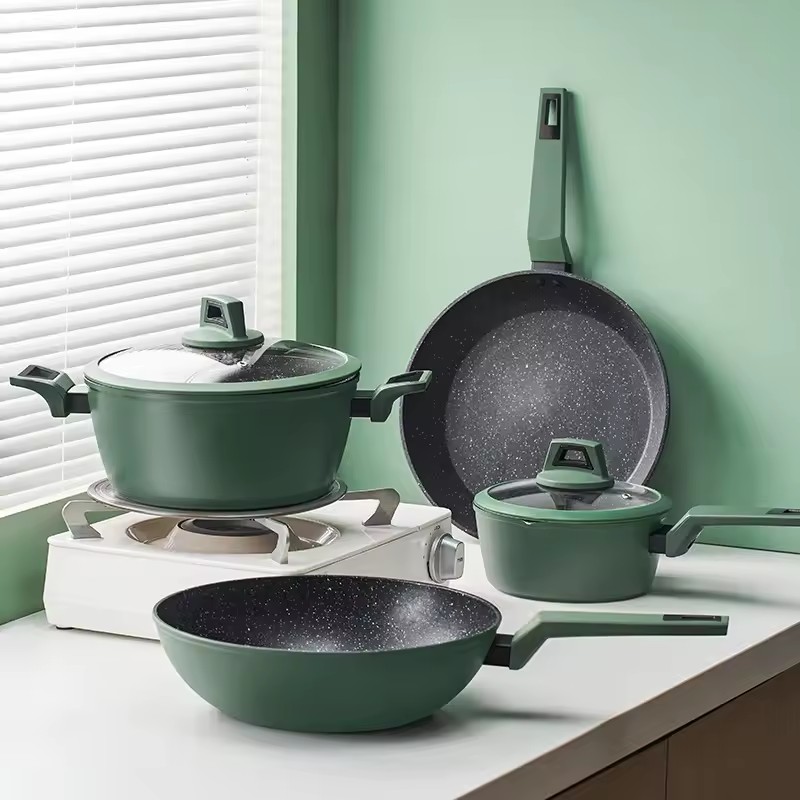
Casserole is a traditional cooking utensil, usually made of clay or porcelain, with good heat preservation and air permeability. It allows food to be heated evenly during the cooking process, helping to lock in the nutrients and flavor of the food, and is particularly suitable for stewing soups, porridge, and slow-cooked dishes. The gentle heating method of the casserole can make the flavor of the ingredients more intense, and it is an indispensable cooking tool for many traditional cuisines. When using it, pay attention to preheating, avoid large temperature differences, and use the appropriate heat to ensure the service life and cooking effect of the casserole.

Ningbo Leer Kitchenware Co., Ltd. are professional OEM Nonstick Casserole Manufacturer and ODM Nonstick Casserole Company, was founded in 2022, which is almost the last year of the COVID-19 pandemic. We adhere to the original aspiration of "to make the non-stick pan".
Leer produces all kinds of pans for our customers via both OEM and ODM worldwide. We also offer our customers an opportunity from scratch to work with our engineers on the design of cookware, which is truly customized. All of our kitchenwares and cookwares are engineered and manufactured in our 150,000-square-foot plant, which is located in Cixi City, Zhejiang Province, China.
The Best Nonstick Cookware for the Money: Our Top Picks If you want a straight answer: the Tramontina 10-Piece Professional Nonstick Cookware Set consistently offers the best value for most home cook...
View MoreThe Best Non-Stick Cookware Brands Right Now If you want a straight answer: All-Clad, Zwilling, and GreenPan consistently rank as the top non-stick cookware brands across professional reviews, home c...
View MoreThe Definitive Answer on the Healthiest Choice The healthiest non-stick cookware to use is 100% Ceramic (sol-gel) coated pans or seasoned natural materials like Carbon Steel and Cast Iron. Unlike tra...
View MoreIn modern home cooking systems, the casserole is no longer just a food container; it's a crucial indicator of the level of integration between cookware manufacturing processes and materials science. Ningbo Leer Cookware Co., Ltd. is committed to integrating stringent manufacturing standards and advanced coating technologies into every product, ensuring that cookware achieves efficient heat conduction while exhibiting superior physical properties.
I. Core Manufacturing Philosophy and Supply Chain Collaboration
The creation of every high-quality nonstick casserole begins with extremely stringent requirements for raw material sourcing. We deeply understand that the purity of the base materials directly determines the durability of the finished product.
Supplier Selection and Audit: We strictly implement full lifecycle management of suppliers, examining not only their production scale but also focusing on the stability of their chemical composition and compliance with environmental standards.
Incoming Material Inspection and Comparison: All incoming aluminum alloy or stainless steel substrates undergo multiple spectral analyses and physical performance tests to ensure that the material's hardness and molecular structure meet the demands of high-intensity cooking.
Indicator Consistency: Strict adherence to technical specifications and destructive and non-destructive testing are applied to each batch of products. This focus on the underlying layer is the fundamental guarantee for the long-term non-stick performance of non-stick Casserole.
II. Superior Production Process and Procedure Control
For the production of non-stick Casserole, Ningbo Leer Kitchenware Co., Ltd. employs a closed-loop procedure control system, deeply integrating traditional casting processes with modern automated coating technology.
Process Flow Design: Differentiated design is implemented for the thermal expansion coefficients of the pot's bottom and sidewalls to ensure no physical deformation occurs at high temperatures.
Precise Coating Adhesion Technology: When applying the surface coating to non-stick Casserole, sandblasting or hard anodizing processes are used to increase the substrate surface area, thereby enhancing the adhesion between the coating and the metal substrate.
Traceability Management: Digital records are maintained for each process. From melting, die casting, grinding to spraying, the production control system monitors temperature, pressure, and time parameters in real time to ensure batch stability.
III. Functional Evolution and Market Value of Casserole
As a multifunctional cookware, the Casserole holds an irreplaceable position in global culinary culture. It is not only suitable for traditional slow cooking, but also fulfills various functions such as frying, stir-frying, braising, and grilling in modern open kitchens.
Heat Circulation Structure: An excellent lid sealing design effectively locks in moisture, creating a micro-pressure circulation that allows food to heat within its own juices.
Diverse Surface Treatments: Whether pursuing high-hardness ceramic non-stick coatings or classic fluoropolymer coatings, the development of Nonstick Casserole has always revolved around the two major consumer pain points of "easy cleaning" and "less oil fumes."
Unity of Aesthetics and Function: While meeting thermal conductivity requirements, the design has also gradually become more ergonomic. The anti-scalding handle and balanced center of gravity design greatly enhance the user's operating experience.
IV. Comparison of Key Technical Characteristics
The table below details the performance differences of different types of Casserole in actual application environments for professional buyers' reference.
| Characteristic Dimension | Traditional Casserole | Professional Non-Stick Casserole | Decorative Interior Casserole |
| Coating Adhesion Strength | Medium (Relies on physical friction) | Superior (Chemical bonding + physical interlocking) | Standard / Basic |
| Heat Distribution Uniformity | Dependent on base material thickness | Advanced (Composite base structure, rapid heat transfer) | Poor / Inconsistent |
| Wear Resistance Level | Lower durability | High (Reinforced with anti-wear particle fillers) | Foundational grade |
| Maintenance Difficulty | Requires regular seasoning/oiling | Minimal (Simple warm water rinse) | Prone to staining |
| Cooking Temperature Control | Slow response, high thermal inertia | Precise (Immediate heat feedback and distribution) | Unstable thermal regulation |
V. Frequently Asked Questions (FAQ)
Q1: How is the lifespan of a nonstick casserole defined from a production perspective?
A: Lifespan depends on the number of coating layers, sintering temperature, and the pretreatment process of the substrate. Ningbo Leer Kitchenware Co., Ltd. optimizes process control to achieve molecular-level bonding between the coating and the substrate, effectively extending the integrity of the non-stick casserole under frequent washing.
Q2: Why do some nonstick casserole products experience uneven heating after prolonged use?
A: This is usually related to pressure control during the production process. If die casting is uneven, slight differences in metal density will occur. Through efficient production control, we ensure that the metal density is completely consistent throughout the pot body, thus guaranteeing uniform heat distribution.
Q3: What is the practical significance of raw material stability for end users?
A: Stable raw materials mean that the product's physical structure will not crack or the coating will blister when subjected to sudden temperature changes (such as rinsing with cold water immediately after high-temperature cooking). Strict incoming material inspection and comparison are conducted to eliminate these potential quality hazards.
Q4: What is the core competitiveness of Ningbo Leer Kitchenware Co., Ltd. in terms of process research and development?
A: The core lies in our obsessive pursuit of detail. From selecting and auditing suppliers to ensuring the stability of each batch of products, we introduce industrial-grade precision manufacturing logic into the production of consumer kitchenware, ensuring that every Casserole product possesses export-grade superior quality.
Customized For Your Business
By blending fine craftsmanship with technology, we create cookware that is competitive in the market.
contact us
No. 358, Wei'er West Road, Chongshou Town, Cixi City, Zhejiang Province, China
+86-13957895228



 English
 中文简体
中文简体
 日本語
日本語
 Español