English
 中文简体
中文简体
 日本語
日本語
 Español
Content
- 1 What Boudin Sausage Actually Is
- 2 Cooking Method Comparison at a Glance
- 3 Step-by-Step: Cooking Boudin Sausage in a Frying Pan
- 4 Frying Pan Tips for Better Results
- 5 Other Ways to Cook Boudin Sausage
- 6 Common Mistakes When Cooking Boudin
- 7 Serving Suggestions and Regional Styles
- 8 Nutrition Overview
- 9 Storage and Reheating
- 10 Frequently Asked Questions
- 10.1 Is boudin sausage already cooked, or does it need to be cooked through like raw sausage?
- 10.2 Can you eat boudin cold, straight from the package?
- 10.3 Why does my boudin casing keep splitting in the frying pan?
- 10.4 Should you remove the casing before cooking boudin in a frying pan?
- 10.5 How do you know when boudin is done reheating?
- 10.6 Can frozen boudin go straight into a frying pan?
Quick Answer
The fastest and most reliable way to cook boudin sausage at home is in a frying pan over medium-low heat for 12 to 15 minutes, turning the links every few minutes until the casing is golden brown and the internal temperature reaches 160°F (71°C). Because boudin is already a fully cooked, rice-based sausage, the frying pan step is really about warming the filling through and building a crisp, browned skin, not about cooking raw meat from scratch.
This guide walks through the exact frying pan technique, plus boiling, oven baking, grilling, and air frying methods, along with timing tables, common mistakes, storage tips, and a detailed FAQ section for anyone working with fresh or frozen boudin links.
What Boudin Sausage Actually Is
Boudin is a Louisiana specialty sausage built around a filling of cooked pork, pork liver, rice, onions, and a blend of Cajun or Creole seasonings, all stuffed into a natural or collagen casing. Unlike a raw bratwurst or Italian sausage, boudin arrives from the butcher or grocery store already cooked. This single detail changes everything about how it should be handled in a frying pan: the goal shifts from "cook the meat" to "reheat evenly and crisp the skin without drying out the rice filling."
Traditional boudin is soft enough that some cooks in South Louisiana eat it straight from the casing without any additional heat. Most households, however, prefer it warmed and browned, which is where a frying pan, an oven, or a stovetop pot comes into play.
Cooking Method Comparison at a Glance
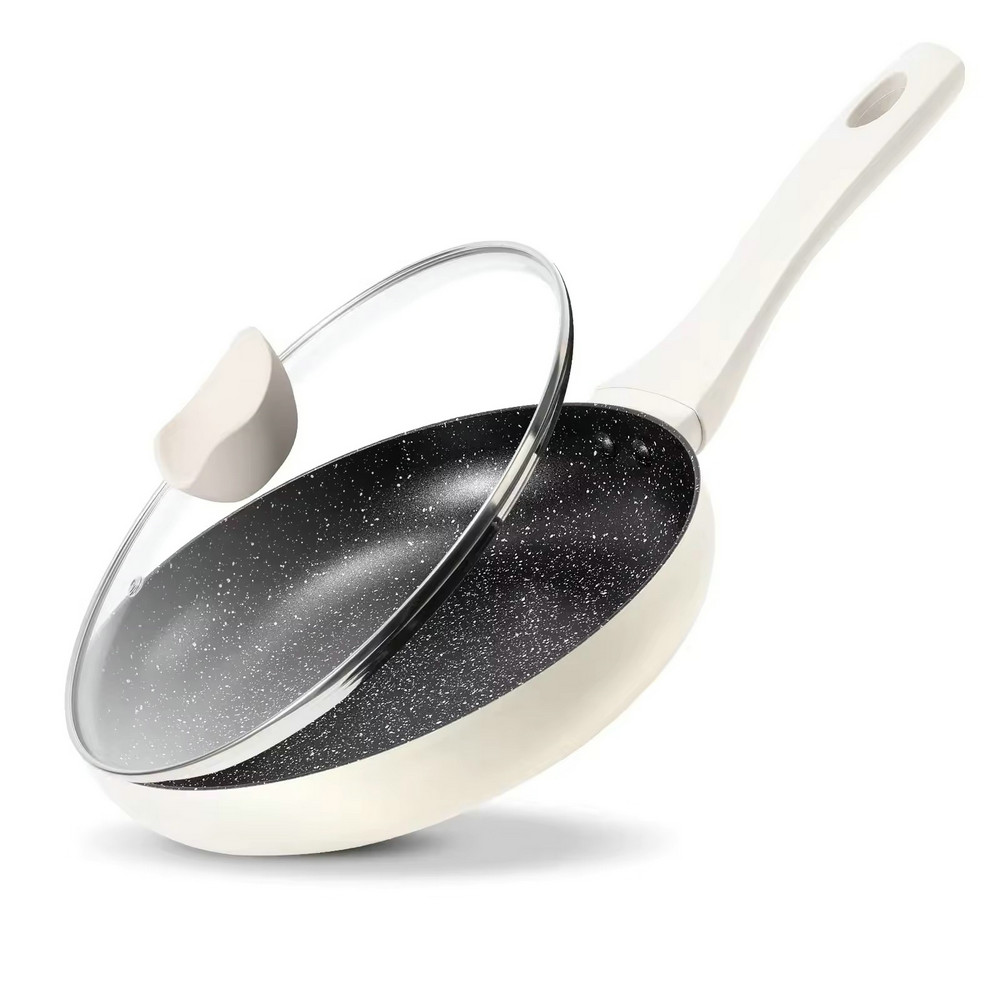
Before committing to one approach, it helps to see how the main cooking methods stack up on time, texture, and effort. A frying pan remains the most popular choice because it produces a browned casing without needing an oven preheat cycle.
| Method | Time | Texture Result | Best For |
|---|---|---|---|
| Frying pan | 12 to 15 minutes | Crisp, browned casing | Weeknight meals, quick browning |
| Boiling or poaching | 10 to 12 minutes | Soft casing, no browning | Preventing casing splits |
| Oven baking | 20 to 25 minutes at 350°F | Even heat, moderate browning | Cooking several links at once |
| Grilling | 10 to 14 minutes | Charred, smoky casing | Outdoor cooking, tailgates |
| Air fryer | 10 to 12 minutes at 370°F | Crisp casing, low mess | Small batches, easy cleanup |
Other Ways to Cook Boudin Sausage
Boiling or Poaching
Submerge the links in water heated to a gentle simmer, never a rolling boil, for 10 to 12 minutes. A hard boil can cause the casing to burst and release the rice filling into the water. This method produces a soft casing with no browning, so it works well when boudin will be crumbled out of its casing afterward for use in dressing or stuffing recipes.
Oven Baking
Preheat the oven to 350°F, arrange the links on a lined baking sheet, and bake for 20 to 25 minutes, turning once halfway through. This is the most hands-off method and works best when cooking six or more links at once for a group.
Grilling
Grill over medium heat for 10 to 14 minutes, turning frequently, and keep the lid mostly closed to avoid flare-ups from dripping fat. Because boudin is already cooked, the goal on a grill is char and smoke flavor rather than doneness.
Air Fryer
Set the air fryer to 370°F and cook for 10 to 12 minutes, flipping halfway through. This method uses the least added fat and produces a casing nearly as crisp as a frying pan with almost no cleanup.
Common Mistakes When Cooking Boudin
| Mistake | Why It Happens | Fix |
|---|---|---|
| Casing splits open | Heat set too high or water at a rolling boil | Use medium-low heat and a gentle simmer, not a boil |
| Cold center, browned outside | Cooking from frozen or skipping the covered steaming step | Thaw fully first, and cover the pan for the first several minutes |
| Dry, crumbly filling | Piercing the casing while turning | Turn with tongs, never a fork |
| Pale, unappetizing casing | Removing the links before the uncovered browning stage | Finish uncovered for 5 to 7 minutes after steaming |
Serving Suggestions and Regional Styles
Boudin is traditionally served on its own, split down the middle and eaten with a fork straight from the casing, or paired with simple sides that let the rice and seasoning stand out.
- With saltine crackers and a spoonful of Creole mustard, a common gas-station and roadside stand presentation across South Louisiana.
- Sliced and browned in a frying pan, then served over rice with smothered onions and bell peppers.
- Split open and stuffed into a po-boy roll with pickles and hot sauce.
- Crumbled out of the casing and used as a stuffing base for baked bell peppers or a holiday dressing.
Cajun boudin tends to lean heavier on black and cayenne pepper, while Creole-style versions from around New Orleans often include more onion and a milder seasoning profile. Both styles respond the same way to frying pan cooking, since the difference is in the seasoning blend rather than the texture of the filling.
Nutrition Overview
Boudin's nutrition profile varies by brand and butcher, but a typical 4-ounce link falls within the ranges below according to standard USDA-style sausage nutrition labeling used by most Louisiana meat markets.
| Nutrient | Approximate Amount |
|---|---|
| Calories | 280 to 320 kcal |
| Protein | 12 to 14 g |
| Fat | 18 to 22 g |
| Carbohydrates (from rice filling) | 14 to 18 g |
| Sodium | 650 to 800 mg |
Storage and Reheating
Fresh boudin keeps in the refrigerator for 2 to 3 days and in the freezer for up to 2 months when wrapped tightly to prevent freezer burn. Once cooked, leftover boudin should be refrigerated within 2 hours and eaten within 3 to 4 days.
To reheat, a frying pan over low heat with a splash of water for 5 to 6 minutes works better than a microwave, which tends to make the casing rubbery and can cause uneven hot spots in the rice filling.
Frequently Asked Questions
Is boudin sausage already cooked, or does it need to be cooked through like raw sausage?
Boudin is fully cooked during processing. Reheating it in a frying pan, oven, or on the grill is mainly about warming the filling and browning the casing, not eliminating raw meat.
Can you eat boudin cold, straight from the package?
Yes, because it is fully cooked, boudin can technically be eaten cold. Most people still prefer it warmed, since heat improves both the texture of the casing and the aroma of the seasoning.
Why does my boudin casing keep splitting in the frying pan?
Splitting almost always comes from heat that is too high or water that reaches a full boil rather than a gentle simmer. Lowering the heat and covering the pan for the first several minutes solves this in most cases.
Should you remove the casing before cooking boudin in a frying pan?
No, the casing should stay on during cooking, since it holds the rice filling together and helps it brown evenly. The casing can be removed after cooking if the boudin will be served crumbled over rice or used in another dish.
How do you know when boudin is done reheating?
The most reliable check is a meat thermometer reading of 160°F (71°C) at the center of a link. Visually, the casing should look taut, glossy, and lightly browned rather than pale or shriveled.
Can frozen boudin go straight into a frying pan?
It is best to thaw boudin in the refrigerator overnight first. Cooking directly from frozen usually browns the casing before the center has fully warmed, leaving a cold spot in the middle of the link.