English
 中文简体
中文简体
 日本語
日本語
 Español
Content
- 1 The Short Answer: How to Clean a Carbon Steel Pan
- 2 Why Carbon Steel Pans Need Special Cleaning Treatment
- 3 Everyday Cleaning After Normal Cooking
- 4 How to Handle Stubborn Stuck-On Food
- 5 How to Remove Rust from a Carbon Steel Pan
- 6 Cleaning vs. Reseasoning: Knowing the Difference
- 7 Choosing the Right Oil for Post-Clean Maintenance
- 8 How to Dry a Carbon Steel Pan Properly
- 9 Cleaning a Carbon Steel Pan After Cooking Different Foods
- 10 Long-Term Storage of a Carbon Steel Fry Pan
- 11 Common Cleaning Mistakes and How to Fix Them
- 12 Signs Your Carbon Steel Pan Is in Good Shape
The Short Answer: How to Clean a Carbon Steel Pan
Cleaning a carbon steel pan is simpler than most people think, but it requires a different approach than stainless steel or nonstick cookware. Never soak a carbon steel fry pan in water, never run it through the dishwasher, and avoid dish soap unless absolutely necessary. The goal is to remove food residue while preserving the seasoning layer — the thin polymerized oil coating that gives carbon steel its nonstick properties and protects it from rust.
For everyday cleaning after cooking, here is the process that works best:
- While the pan is still warm (not scalding hot), rinse it under hot water.
- Use a stiff brush or chainmail scrubber to loosen any stuck-on food.
- Dry it completely — either on the stovetop over low heat for 1 to 2 minutes, or with a clean towel.
- Apply a very thin layer of a neutral oil (flaxseed, grapeseed, or vegetable oil) while the pan is still warm.
- Wipe off the excess oil with a paper towel until the surface looks almost dry.
That is it. The entire process takes under three minutes. Everything after this point covers specific situations: stubborn residue, rust, improper seasoning, long-term storage, and what to do when things go wrong.
Why Carbon Steel Pans Need Special Cleaning Treatment
Carbon steel is an alloy of iron and carbon — typically around 98 to 99% iron with 1 to 2% carbon content. This composition makes the pan highly responsive to heat and capable of reaching very high temperatures quickly, but it also means the surface is reactive. Unlike stainless steel, carbon steel has no chromium layer to resist oxidation, so water left on the surface will cause rust within hours.
The seasoning layer on a carbon steel fry pan is not a coating applied in a factory — it is built up through repeated cooking and proper maintenance. Each time you cook with oil and heat the pan, a thin layer of polymerized oil bonds to the iron surface. Over time, these layers build up to create a dark, naturally nonstick surface. Aggressive cleaning methods — soaking, harsh detergents, abrasive metal scourers — strip this seasoning and send you back to square one.
Understanding this distinction changes how you approach every cleaning task. You are not just removing dirt. You are protecting an investment in layers of seasoning that might have taken months to build.
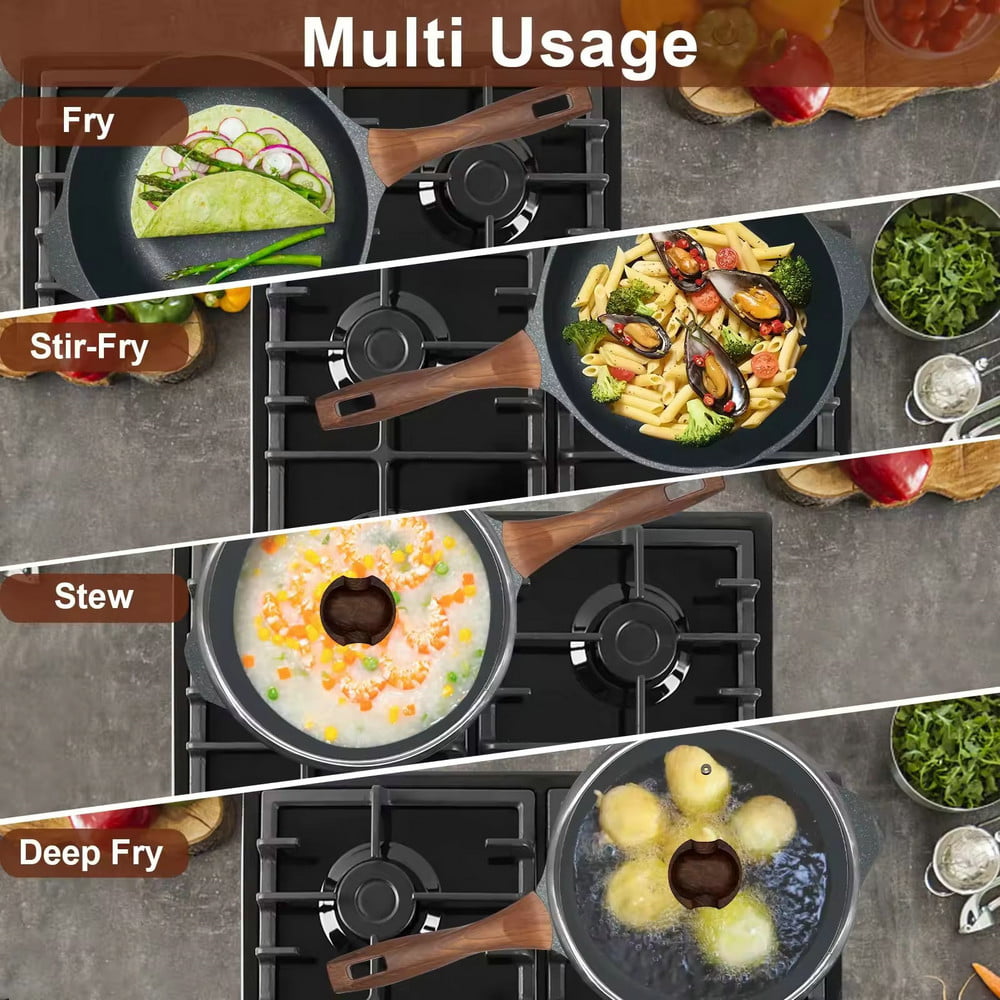
Everyday Cleaning After Normal Cooking
After a standard cooking session — eggs, vegetables, seared meat, fish — cleaning your carbon steel fry pan should feel routine. The key is timing. Clean the pan while it is still warm, not after it has fully cooled. A warm pan releases food more easily and the warm metal helps water evaporate quickly.
Tools to Use
- Stiff-bristle brush: A natural fiber or nylon brush works well for routine cleaning. Avoid wire brushes, which can scratch the seasoning.
- Chainmail scrubber: A stainless steel chainmail scrubber is widely considered the best tool for carbon steel. It removes stuck food without stripping the seasoning layer the way steel wool does.
- Paper towels: Used for wiping the pan dry and applying a post-clean oil layer.
- Coarse salt: A natural abrasive that helps scrub away residue without affecting seasoning.
Tools to Avoid
- Steel wool (strips seasoning aggressively)
- Scouring pads with harsh abrasives
- Dishwasher (the combination of water, heat, and detergent will destroy seasoning and cause rust)
- Prolonged soaking in water
The Role of Soap
There is a long-standing debate about whether soap can be used on a carbon steel pan. The short answer: a small amount of mild dish soap used occasionally will not destroy a well-seasoned pan. Old-fashioned lye-based soaps were genuinely harmful to seasoning, but modern dish soaps are far milder. That said, regular soap use will gradually degrade the seasoning over time, so it should remain the exception, not the rule. If you use soap, rinse thoroughly, dry completely, and re-oil the surface.
How to Handle Stubborn Stuck-On Food
Burnt-on food happens even to experienced cooks. The approach you take matters — aggressive scrubbing with the wrong tools can undo months of seasoning work.
The Boiling Water Method
This is the most effective technique for serious stuck-on residue. Add about half a cup to one cup of water to the pan, place it on the stovetop over medium heat, and let the water come to a simmer. As the water heats, use a wooden spatula or silicone scraper to gently dislodge the stuck food. The steam and heat loosen residue without requiring abrasive scrubbing. Once the food has released, discard the water, dry the pan thoroughly, and re-oil.
The Coarse Salt Scrub Method
Pour a generous amount of coarse kosher salt into the warm pan — roughly two to three tablespoons. Use a folded paper towel or a stiff brush to scrub the residue using the salt as an abrasive. The salt picks up debris without scratching the seasoning the way synthetic abrasives do. Once clean, discard the salt, rinse briefly if needed, dry, and oil.
Chainmail Scrubber for Persistent Spots
A chainmail scrubber used under warm running water can handle most stubborn spots without the need for soap or harsh chemicals. Apply light to medium pressure and work in circular motions. Most well-seasoned carbon steel fry pans respond to chainmail cleaning within 30 to 60 seconds, even after cooking sticky proteins like eggs or sugary glazes.
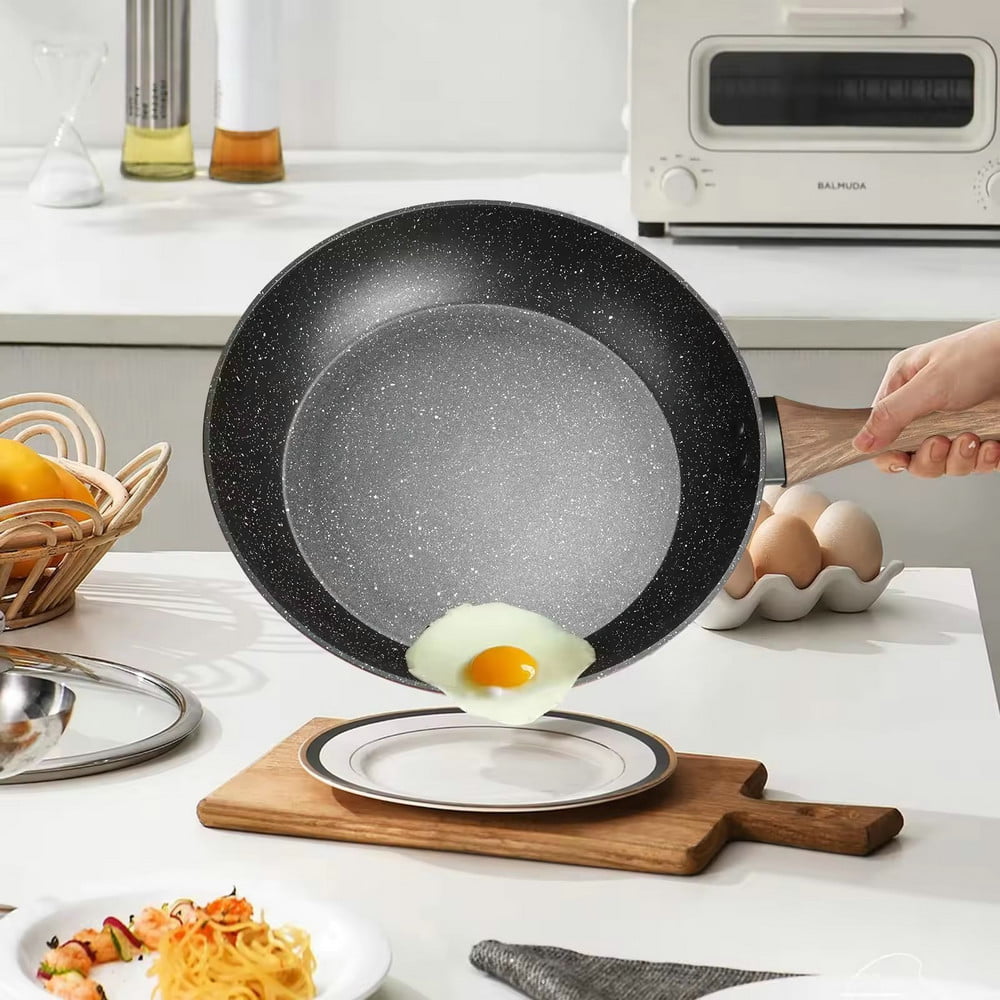
How to Remove Rust from a Carbon Steel Pan
Rust on a carbon steel fry pan looks alarming, but it is almost always salvageable. Surface rust — the kind that forms after leaving a pan wet or storing it in a humid environment — can be fully removed with a bit of effort. Do not throw out a rusty carbon steel pan.
Light Rust: Chainmail or Fine Steel Wool
For minor rust spots that appeared after one or two days of improper storage, a chainmail scrubber or — in this specific case — a small amount of fine steel wool (0000 grade) can remove the rust. Scrub the affected area under warm water until the rust color disappears. The goal here is just to remove oxidation, so do not worry about stripping the surrounding seasoning too aggressively — you will be reseasoning afterward anyway.
Heavier Rust: Baking Soda Paste or Vinegar Soak
For rust that has spread across a wider surface area, create a paste using baking soda and a small amount of water. Apply the paste to the rusted areas and let it sit for 10 to 15 minutes, then scrub with a brush or chainmail scrubber. Baking soda is mildly abrasive and alkaline, which helps break down iron oxide.
Alternatively, a brief vinegar soak can dissolve rust quickly. Mix equal parts white vinegar and water, submerge the pan, and let it soak for no more than 30 minutes. Check every 10 minutes. Vinegar is acidic and will also attack the iron itself if left too long, so do not exceed 30 minutes. After soaking, scrub, rinse thoroughly, dry immediately, and reseason.
After Rust Removal: Reseasoning Is Essential
Once rust is removed, the bare iron surface is exposed and highly vulnerable. You must reseason the pan promptly. Dry it completely over heat, apply a very thin layer of oil with a high smoke point (grapeseed oil at 420°F smoke point or flaxseed oil at 225°F for oven seasoning), and either heat it on the stovetop over medium-high heat until it begins to smoke, or bake it in the oven at 450°F (230°C) for one hour upside down with a sheet pan underneath to catch drips. Let it cool completely before storing.
Cleaning vs. Reseasoning: Knowing the Difference
Cleaning and reseasoning are related but distinct tasks. Cleaning removes food residue and contaminants after each use. Reseasoning rebuilds or restores the polymerized oil layer on the cooking surface. You need to reseason when:
- The pan looks dull, gray, or patchy rather than dark and uniformly colored
- Food is sticking more than usual
- You have just removed rust
- The pan was accidentally soaked in water or run through a dishwasher
- You notice flaking or peeling of the seasoning layer
Applying a thin layer of oil after every clean is maintenance seasoning. Doing a full oven seasoning session is reseasoning. Both are part of long-term carbon steel pan care.
| Task | Frequency | Purpose | Time Required |
|---|---|---|---|
| Routine cleaning | After every use | Remove food and moisture | 2–3 minutes |
| Post-clean oil wipe | After every use | Maintain seasoning layer | 1 minute |
| Rust removal | As needed | Eliminate iron oxidation | 15–45 minutes |
| Full reseasoning | Every few months or after damage | Rebuild seasoning from scratch | 1–2 hours |

Choosing the Right Oil for Post-Clean Maintenance
Not all oils are equal when it comes to maintaining a carbon steel fry pan. The oil you use for the post-clean wipe-down affects both the protection the pan receives and the quality of the seasoning over time.
Best Oils for Carbon Steel Maintenance
- Grapeseed oil: Smoke point around 420°F (215°C), neutral flavor, polymerizes well. A popular everyday choice.
- Vegetable oil or canola oil: Widely available, smoke point around 400°F (204°C). Works well for routine maintenance wipes.
- Flaxseed oil: High in polyunsaturated fats, which polymerize quickly. Good for building seasoning in the oven, but prone to flaking if applied too thickly.
- Crisco or solid shortening: Used by some cooks for initial seasoning. Easy to apply in an even, thin coat.
Oils to Avoid
- Olive oil: Low smoke point (around 375°F / 190°C for extra virgin) and strong flavor. Not ideal for seasoning, though fine for occasional cooking.
- Butter: Contains water and milk solids that do not polymerize properly. Can be used for cooking but not for seasoning or post-clean maintenance.
- Coconut oil: High in saturated fat, which polymerizes slowly and can turn rancid over time if the pan is stored without cooking again soon.
The single most important rule about post-clean oiling: use less than you think you need. A thin, barely-there film is correct. Too much oil creates a sticky, gummy surface that attracts dust and can turn rancid. After applying a small drop, wipe the entire cooking surface with a paper towel, then wipe again with a clean section of the towel. The surface should look almost dry.
How to Dry a Carbon Steel Pan Properly
Drying is arguably the most critical step in the cleaning process. A carbon steel fry pan can begin to show surface rust within two to four hours if left wet. Never assume air drying is sufficient — it is not, because water clings to the metal in thin invisible films even when the surface looks dry.
Stovetop Drying: The Most Reliable Method
Place the cleaned pan on a burner over low to medium-low heat for one to two minutes. You will see steam rising as the residual moisture evaporates. Once steaming stops and the pan feels completely dry to the touch, remove from heat. This method is faster and more thorough than towel drying alone and prepares the pan perfectly for the oil wipe that follows.
Towel Drying as a First Step
Before placing the pan on heat, wipe it down with a clean, dry kitchen towel or paper towels to remove the bulk of the water. This is especially useful if you are in a hurry — removing most of the water before applying heat means the stovetop drying step takes only 30 to 60 seconds instead of two minutes.
Cleaning a Carbon Steel Pan After Cooking Different Foods
Different foods create different cleaning challenges. A carbon steel fry pan used for searing steak requires a different approach than one used to cook scrambled eggs or a sugary stir-fry sauce.
After Cooking Meat
Searing meat leaves behind fond — the browned, caramelized proteins stuck to the bottom of the pan. While excellent for making pan sauces, leftover fond can be stubborn to clean. Use the boiling water method or a chainmail scrubber. Avoid letting fond sit overnight; it becomes significantly harder to remove after cooling completely.
After Cooking Eggs
Eggs are the ultimate test of a well-seasoned carbon steel pan. If your seasoning is in good shape, eggs should slide off with minimal residue. For any remaining bits, a warm-water rinse and light brushing should be enough. If eggs are consistently sticking, that is a signal your seasoning needs rebuilding, not that you need to scrub harder.
After Cooking Acidic Foods
Tomatoes, citrus-based sauces, wine reductions, and vinegar-heavy dishes are problematic for carbon steel. Acidic foods react with the iron surface and can strip seasoning and leach small amounts of metallic flavor into the food. It is best to avoid cooking highly acidic dishes in a carbon steel pan until it is very well seasoned. If you do cook acidic food, clean the pan immediately afterward — do not let it sit — and reapply oil.
After Cooking Fish
Fish skin can stick and leave behind oil and protein residue. A chainmail scrubber under warm water handles this well. The pan may retain a fish odor if not cleaned promptly. If this happens, the salt scrub method — using coarse salt with a small amount of baking soda — can neutralize lingering smells effectively.

Long-Term Storage of a Carbon Steel Fry Pan
If you use your carbon steel fry pan daily, storage is simple — keep it on the stovetop or hang it from a pot rack. The regular use and oiling cycle keeps the seasoning in good shape without any special precautions. Long-term or infrequent storage requires more care.
- Apply a slightly thicker oil coat before extended storage: Unlike the barely-there film you use after daily cleaning, a slightly more generous coating provides better rust protection over weeks or months. Still thin — just a noticeable film rather than invisible.
- Store in a dry environment: Humidity is the enemy. Avoid storing in areas near dishwashers, under sinks, or in damp basements.
- Use a paper towel as a liner: If stacking pans, place a paper towel between the carbon steel pan and other cookware. This absorbs any ambient moisture and prevents the seasoning from rubbing off onto other pans.
- Hang it when possible: Hanging keeps the pan away from other surfaces and promotes air circulation. This is the ideal storage method for any carbon steel pan.
If you pull a stored pan out after several months and notice it smells rancid, the oil has oxidized. In this case, clean it thoroughly with soap and hot water, dry completely, and reseason before using.
Common Cleaning Mistakes and How to Fix Them
Even experienced cooks make mistakes with carbon steel care. Here are the most common problems and how to recover from them.
| Mistake | What Happens | How to Fix It |
|---|---|---|
| Left in water to soak | Rust develops, seasoning strips | Remove rust, dry, reseason |
| Put through dishwasher | Full seasoning loss, heavy rust | Full rust removal and reseasoning from scratch |
| Applied too much oil | Sticky, gummy surface | Heat pan over high heat to burn off excess oil, wipe clean |
| Used steel wool to scrub | Seasoning stripped in patches | Reseason affected areas with stovetop method |
| Stored without oiling | Surface rust, dull appearance | Light scrub, dry, apply oil and heat |
| Cooked acidic food too early | Metallic taste, patchy seasoning | Build up more seasoning through regular cooking before trying again |
Signs Your Carbon Steel Pan Is in Good Shape
Knowing what a healthy carbon steel fry pan looks like helps you gauge whether your cleaning and maintenance routine is working. A well-maintained pan should show these characteristics:
- Dark, even color: A properly seasoned pan develops a dark brown to near-black surface. Uneven coloring or gray patches indicate inconsistent seasoning.
- Low to no sticking: Well-maintained carbon steel behaves like nonstick for most foods. Persistent sticking is a sign the seasoning needs attention.
- Smooth, matte-to-satin finish: The surface should not look greasy or shiny. If it looks oily or feels tacky, too much oil was applied during maintenance.
- No rust spots: Any rust is a sign the pan was stored wet or without oil.
- No flaking: Flaking seasoning is usually caused by applying oil too thickly during seasoning sessions. It requires cleaning off the flakes and rebuilding the seasoning more carefully.
A carbon steel fry pan that is properly cleaned and maintained after every use will last decades — many professional cooks work with carbon steel pans that are 20, 30, or even 50 years old. The cleaning process is not complicated, but it is consistent. That consistency is what separates a pan that performs beautifully from one that constantly gives you trouble.