English
 中文简体
中文简体
 日本語
日本語
 Español
Content
- 1 How to Season a Made In Griddle: The Short Answer
- 2 Why Seasoning a Made In Griddle Is Different From Cast Iron
- 3 What You'll Need Before You Start
- 4 Step-by-Step Guide to Seasoning Your Made In Griddle
- 5 Comparing Oil Choices for Made In Griddle Seasoning
- 6 Seasoning a Made In Fry Pan: Same Process, Slightly Different Considerations
- 7 How to Tell If Your Seasoning Is Working
- 8 Common Seasoning Mistakes and How to Fix Them
- 9 Maintaining Your Made In Griddle Season Long-Term
- 10 Best Foods to Cook for Building Seasoning Naturally
- 11 How Made In's Carbon Steel Compares to Other Griddle Materials
- 12 Frequently Asked Questions About Seasoning Made In Cookware
- 13 Why the Initial Seasoning Investment Pays Off
How to Season a Made In Griddle: The Short Answer
To season a Made In griddle, coat the entire cooking surface — including the sides — with a thin, even layer of a high smoke-point oil such as flaxseed, grapeseed, or canola oil. Heat the griddle in the oven at 450–500°F (232–260°C) for one hour, then let it cool inside the oven. Repeat this process three to five times to build a durable, non-stick seasoning layer. This applies whether you own a Made In carbon steel griddle or their fry pan, as both are made from the same material and follow the same care protocol.
That's the core of it. But if you want seasoning that actually lasts — and a surface that rivals any non-stick pan on the market — keep reading. Every detail matters: the oil you choose, the thickness of the layer, the temperature, and how you maintain the surface after every cook.
Why Seasoning a Made In Griddle Is Different From Cast Iron
Made In cookware uses blue carbon steel, a material that is about 1mm thinner and significantly lighter than traditional cast iron. Their griddles and fry pans heat up faster and respond to temperature changes much more quickly. This responsiveness is a huge cooking advantage, but it also means the seasoning process behaves differently from what you might be used to with a Lodge cast iron skillet.
Carbon steel is more reactive. It can rust within hours of being left wet or unseasoned. It also has microscopic pores in the surface that need to be filled with polymerized oil before the pan becomes truly non-stick. The good news is that once those layers of seasoning are built up properly, a Made In carbon steel griddle or fry pan becomes one of the most satisfying surfaces to cook on — eggs slide, fish releases cleanly, and proteins develop a beautiful sear.
The key insight: carbon steel requires thinner layers of oil applied more frequently, while cast iron can tolerate slightly thicker applications. Get this wrong with your Made In piece and you'll end up with a sticky, uneven surface that doesn't perform well at all.
What You'll Need Before You Start
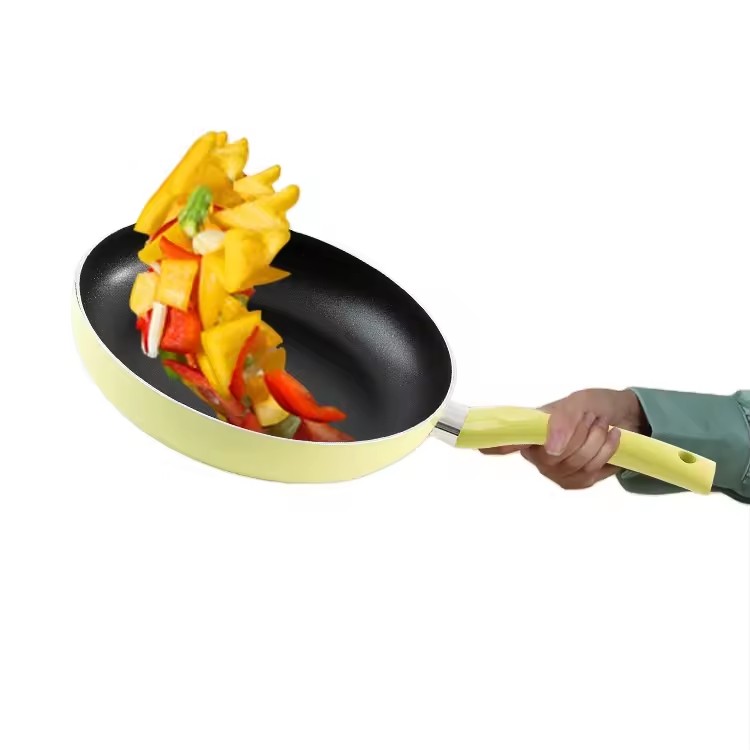
Gathering the right tools before you begin saves you a lot of frustration midway through the process. Here's what you'll need:
- High smoke-point oil — flaxseed oil (smoke point ~225°C / 437°F), grapeseed oil (~216°C / 421°F), or canola oil (~204°C / 400°F) are the top choices. Avoid olive oil, butter, or coconut oil for initial seasoning as they smoke too early and leave a soft, sticky residue.
- Paper towels or a lint-free cloth — for wiping the oil to near-transparency before heating.
- Oven-safe rack or sheet pan — to catch any drips and position the griddle properly.
- Oven mitts — the griddle will be extremely hot. Made In carbon steel conducts heat evenly, which means the handles get hot too.
- A well-ventilated kitchen — seasoning produces smoke. Open a window, turn on your range hood, or prepare to disable a smoke alarm temporarily.
One item that often gets overlooked: the paper towel. You need enough to wipe down the surface multiple times, because the goal is to apply oil and then wipe almost all of it away. The layer that remains should be barely visible — thinner than you think is reasonable.
Step-by-Step Guide to Seasoning Your Made In Griddle
Step 1: Remove the Factory Coating
Made In ships their carbon steel griddles and fry pans with a protective beeswax coating to prevent rust during shipping and storage. This wax must be completely removed before seasoning. Wash the griddle thoroughly with warm water, a small amount of dish soap, and a sponge or scrub brush. This is one of the only times you'll use soap on your Made In piece — after this, soap is rarely necessary or recommended.
Rinse thoroughly and dry immediately — either with a kitchen towel or by placing the pan on a burner over low heat for a minute or two. Do not let it air dry. Carbon steel will start to show rust spots within 30–60 minutes of sitting wet, especially in humid environments like the Netherlands where ambient moisture is consistently high.
Step 2: Preheat Your Oven to 450–500°F (232–260°C)
The oven method is significantly more reliable than stovetop-only seasoning for a griddle. A conventional oven surrounds the entire surface with consistent heat, ensuring the oil polymerizes evenly across the whole cooking area, up the sides, and across the underside. Stovetop heating creates hot spots, which leads to uneven seasoning — darker in some areas, sticky in others.
Set your oven to 450°F (232°C) minimum. Some cooks go to 500°F (260°C) for faster polymerization. If your oven has a convection setting, use it — the air circulation helps the oil bond more uniformly to the steel.
Step 3: Apply the Thinnest Possible Layer of Oil
Pour a small amount of your chosen oil — about half a teaspoon for a standard 10-inch griddle or fry pan — onto a paper towel. Rub it over every surface of the pan: the cooking surface, the exterior, the sides, and the handle (if it's carbon steel). Then take a clean, dry paper towel and wipe it all back off. This sounds counterintuitive, but the goal is for the surface to look dry while still having a microscopic film of oil present.
Too much oil = sticky, gummy surface after heating. Too little = uneven seasoning. The "almost nothing" amount is correct. This is the single most common mistake people make, and it accounts for the majority of failed seasoning attempts.
Step 4: Bake for One Full Hour
Place the griddle upside down on the oven rack, with a sheet pan or piece of foil on the rack below to catch any drips. Bake at 450–500°F for exactly 60 minutes. You may see some smoke — this is normal and expected. The oil is polymerizing: its molecular chains are breaking apart and bonding with the iron in the steel, creating a hard, slick surface that is chemically bonded to the pan.
Do not open the oven early. The full hour is necessary for the polymerization to complete properly.
Step 5: Cool Inside the Oven, Then Repeat
Turn the oven off and leave the griddle inside until it reaches room temperature. Rapid cooling can cause thermal stress and potentially warp a thin carbon steel pan. Once cool, run your finger across the surface — it should feel smooth, slightly slick, and not at all tacky. If it's tacky, too much oil was applied. If it looks uneven, additional rounds will correct it.
Repeat the oil-apply-and-bake process three to five times before using the griddle for cooking. Each round builds one thin layer of seasoning. Three rounds is the bare minimum for usable non-stick performance; five rounds is recommended before cooking delicate proteins like eggs or fish.
Comparing Oil Choices for Made In Griddle Seasoning
Not all oils perform equally. The table below compares the most commonly recommended options based on their smoke point, polymerization quality, and practical availability in European markets:
| Oil | Smoke Point | Polymerization Quality | Notes |
|---|---|---|---|
| Flaxseed Oil | 225°C / 437°F | Excellent | High in omega-3; polymerizes fast; may chip if too thick |
| Grapeseed Oil | 216°C / 421°F | Very Good | Neutral flavor; widely available; excellent durability |
| Canola Oil | 204°C / 400°F | Good | Most affordable; reliable; great for beginners |
| Sunflower Oil | 227°C / 440°F | Good | Common in European kitchens; solid performance |
| Olive Oil | 190°C / 375°F | Poor | Too low; produces soft, sticky residue; not recommended |
| Coconut Oil | 177°C / 350°F | Poor | Too much saturated fat; doesn't polymerize properly |
For most home cooks, grapeseed or canola oil strikes the best balance between performance, price, and availability. Flaxseed oil produces the hardest initial seasoning but is also more prone to chipping if applied too thickly, which makes it less forgiving for beginners.
Seasoning a Made In Fry Pan: Same Process, Slightly Different Considerations
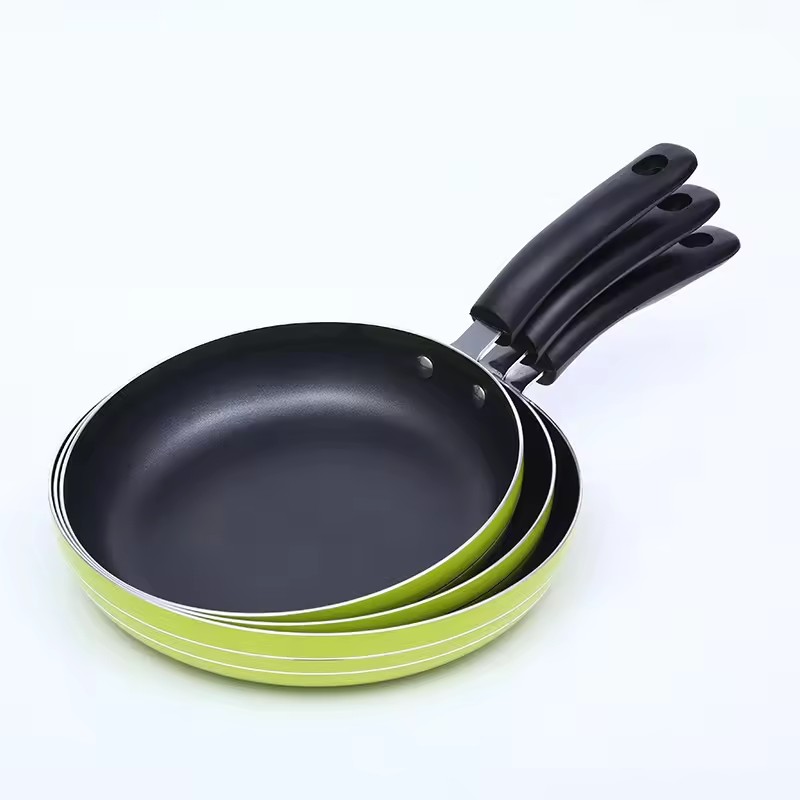
The Made In fry pan uses the same blue carbon steel as the griddle, so the seasoning process is virtually identical. However, there are a few differences worth noting when working with the fry pan form factor.
Curved Sides Require Extra Attention
A fry pan has sloped sides, which means oil can pool at the bottom and leave the upper sides under-seasoned. When applying oil to a Made In fry pan, use the paper towel to work the oil into the curved sides in a circular motion, ensuring complete and even coverage. During baking, rotating the pan slightly halfway through the hour — carefully, using oven mitts — helps ensure the sides don't get missed.
The Fry Pan Seasons Faster on the Stovetop for Touch-Ups
Because a fry pan is used so frequently, its seasoning improves naturally through regular cooking. After the initial oven-seasoning rounds, maintain the fry pan by cooking fatty proteins — bacon, sausage, skin-on chicken thighs — in the first few weeks. Each cook adds another micro-layer of seasoning. The griddle, because of its flat surface and larger area, benefits more consistently from oven seasoning rather than stovetop maintenance.
Stovetop Seasoning as a Supplement
For touch-up seasoning between oven rounds — especially useful for the fry pan — heat the pan over medium-high heat on the stovetop until it starts to smoke lightly. Apply a paper towel dipped in oil and wipe the entire interior surface quickly. The heat will cause the oil to polymerize within a minute or two. This technique is faster than the oven method but less thorough, making it best used for maintenance rather than initial seasoning.
How to Tell If Your Seasoning Is Working
After three rounds of seasoning, run these simple tests to evaluate your progress before starting to cook:
- The water droplet test: Flick a few drops of cold water onto the heated griddle. If the seasoning is good, the droplets will bead up and dance across the surface (the Leidenfrost effect). If they spread and absorb, the seasoning needs more rounds.
- Visual inspection: A well-seasoned Made In griddle should appear uniformly dark — not silver or grey in patches. Matte or semi-matte darkness across the entire surface indicates proper coverage.
- Tactile smoothness: Run your hand (carefully, when cool) over the surface. It should feel slick and glass-like, not rough or gritty. Rough texture means the pores haven't been filled yet.
- Egg test: Heat the pan over medium heat with just a tiny bit of butter or oil. Crack an egg in. If the egg slides and releases cleanly with minimal sticking, the seasoning is performing well. After five rounds, even fried eggs should lift easily.
Don't be discouraged if results aren't perfect after three rounds. Carbon steel seasoning is cumulative. Each cook, each proper wash, each additional seasoning round builds on the last. A Made In griddle that's been cooked on daily for six months will outperform one that was perfectly seasoned and then left unused.
Common Seasoning Mistakes and How to Fix Them
Mistake 1: Applying Too Much Oil
This is the number one culprit behind a sticky, gummy griddle. When too much oil is applied, it can't polymerize completely and instead bakes into a soft, tacky residue. The fix: strip the pan and start over. Place it in a self-cleaning oven cycle, or scrub the surface with steel wool and re-season from scratch. Going forward, use half a teaspoon or less per round, wiped almost completely off before heating.
Mistake 2: Cooking Acidic Foods Too Early
Tomatoes, wine, citrus juice, and vinegar-based sauces are acidic and will strip newly applied seasoning from a carbon steel surface. Avoid cooking these in your Made In griddle or fry pan until after at least six weeks of regular use, by which point the seasoning is thick enough to resist acids for short periods. Even then, don't simmer acidic foods for extended times.
Mistake 3: Washing With Soap After Every Use
Modern dish soap is milder than the lye-based soaps of the past, so a small amount won't necessarily destroy your seasoning immediately. But regular use of dish soap will gradually break down the seasoning layers, leaving the surface dull and increasingly sticky. Instead, clean with hot water and a stiff brush or chainmail scrubber. If food is stuck, add a tablespoon of coarse salt and scrub with a paper towel. Rinse, dry completely over heat, and apply a tiny amount of oil before storing.
Mistake 4: Letting the Pan Air Dry
Leaving a wet carbon steel griddle or fry pan in a drying rack is an invitation for rust. Always dry Made In pans immediately — either with a towel or over low heat on the stovetop — and apply a paper-thin wipe of oil before storing. This one habit alone adds years of life to the pan's seasoning.
Mistake 5: Using the Wrong Heat for the First Few Cooks
Freshly seasoned carbon steel griddles and fry pans should not be blasted with maximum heat immediately. Start on medium heat for the first several uses, cooking fatty proteins like bacon or pork shoulder. This "cooking in" period gently adds layers of seasoning from the cooking process itself and conditions the surface before you move to higher-heat applications like searing steaks.
Maintaining Your Made In Griddle Season Long-Term
Once the initial seasoning rounds are complete, ongoing maintenance keeps the surface performing at its best. Fortunately, regular cooking is the best maintenance. Here's what a sustainable care routine looks like:
- After each use: While still warm, wipe out any loose food with a paper towel. Add a small amount of water to the pan and bring to a simmer to loosen any stuck-on bits. Scrub with a brush, rinse, and dry over heat.
- Before storing: Apply a tiny wipe of oil — just enough to give the surface a very slight sheen — using a paper towel. Buff it in and let the residual heat from drying evaporate the excess.
- Monthly touch-up: Every four to six weeks, run the griddle through one oven seasoning round if it shows any dullness, patchiness, or minor rust spots.
- After any rust appears: Scrub rust spots with steel wool and coarse salt until the metal is clean again. Rinse, dry thoroughly, and immediately run two or three oven seasoning rounds. Small rust spots caught early are not a problem — they're a maintenance task, not a catastrophe.
- Storage: Store the griddle in a dry location. If stacking it with other pans, place a paper towel between them to protect the seasoning surface from scratches.
A Made In griddle or fry pan maintained this way will develop a deep, dark, almost jet-black patina over time. That color is a sign of accumulated seasoning layers — and it directly correlates with non-stick performance. The darker the pan, the better it cooks.
Best Foods to Cook for Building Seasoning Naturally
Beyond deliberate seasoning rounds, the foods you cook in your Made In griddle or fry pan have a direct impact on how the seasoning develops. Some foods actively build the seasoning while others stress it. Here's a practical breakdown:
Foods That Build Seasoning
- Bacon and fatty pork — the rendered fat coats the surface naturally as you cook
- Sautéed vegetables with oil — regular use with a tablespoon of grapeseed or avocado oil adds thin layers with each cook
- Steaks and chops — high-heat searing with a neutral oil creates strong polymerization during cooking
- Fried eggs and omelets — once seasoning is established (five-plus rounds), these are excellent daily-use seasoning builders
- Pan-seared fish with skin — the skin-side fat renders and bonds with the surface
Foods That Challenge or Damage Seasoning
- Tomato-based sauces — acidic; strips layers on contact
- Wine reductions — the alcohol and acids attack the seasoning surface
- Lemon-based marinades or sauces — citrus acid degrades the seasoning quickly
- Long-simmered braises with vinegar — extended heat + acid is the worst combination
Reserve your stainless steel or enameled cast iron for the acidic dishes, and use your Made In griddle and fry pan for the high-heat searing, frying, and sautéing that they do best.
How Made In's Carbon Steel Compares to Other Griddle Materials
Understanding where Made In carbon steel fits in the broader griddle and fry pan landscape helps contextualize why the seasoning process matters so much:
| Material | Seasoning Required | Heat Retention | Weight | Non-Stick Potential |
|---|---|---|---|---|
| Made In Carbon Steel | Yes | High | Light–Medium | Excellent (when seasoned) |
| Cast Iron | Yes | Very High | Heavy | Excellent (when seasoned) |
| Non-Stick (PTFE) | No | Low–Medium | Light | Good (degrades over time) |
| Stainless Steel | No | Medium | Medium | Poor (requires technique) |
| Ceramic Coated | No | Low–Medium | Light | Good (scratches easily) |
The Made In carbon steel griddle and fry pan occupy a sweet spot between cast iron and non-stick: they can achieve near-non-stick performance with proper seasoning, yet they handle high heat and oven temperatures that would destroy a PTFE-coated pan. They're also more responsive than cast iron, making them better suited to stovetop cooking where you need to adjust heat quickly.
Frequently Asked Questions About Seasoning Made In Cookware
Can I season a Made In griddle on a gas vs. induction cooktop?
Made In carbon steel is fully compatible with all heat sources including gas, electric, and induction. For initial seasoning, the oven method is preferred regardless of what cooktop you have, since it produces the most even results. For stovetop touch-ups, any heat source works — just be aware that induction cooktops create concentrated heat directly under the pan's contact point, which can create slightly uneven heating on a large griddle. Rotate the griddle occasionally during stovetop seasoning on induction.
How long does it take to fully season a Made In griddle?
The initial seasoning process — three to five oven rounds — takes three to five hours of total oven time plus cooling periods. With cooling factored in, this usually means spreading the process across two days. After the initial rounds, the seasoning continues to improve with every cook. Most cooks find their Made In griddle reaches peak performance after four to six weeks of regular use.
What if my griddle develops rust spots?
Surface rust on a carbon steel griddle is not the end of the pan — it's a maintenance issue. Scrub the rusted area with steel wool, coarse salt, or a chainmail scrubber until the rust is gone and bare metal is visible. Rinse thoroughly, dry completely over heat, and immediately run two to three oven seasoning rounds. The pan will recover fully. If rust appears frequently, examine your drying and storage habits — the pan is likely being stored while still slightly damp.
Does Made In recommend any specific seasoning oil?
Made In officially recommends grapeseed oil for seasoning their carbon steel fry pan and griddle. It polymerizes reliably, has a high smoke point, and is neutral in flavor. Flaxseed oil is also widely praised in the carbon steel community for producing very hard, durable seasoning layers, though it requires extremely thin application to avoid chipping.
Is the Made In griddle dishwasher safe?
Never put a Made In carbon steel griddle or fry pan in the dishwasher. The combination of prolonged water exposure, harsh detergents, and steam will strip all seasoning layers and cause immediate and extensive rust. This applies to all carbon steel and cast iron cookware without exception. Hand wash only, dry immediately, and oil lightly before storing.
Why the Initial Seasoning Investment Pays Off
A properly seasoned Made In griddle or fry pan can last decades. Unlike a non-stick PTFE fry pan that typically degrades within two to five years of regular use and requires disposal and replacement, a well-maintained carbon steel piece only gets better with time. The economics are straightforward: a quality carbon steel pan purchased once and maintained correctly will outperform and outlast a dozen non-stick replacements over a lifetime of cooking.
Beyond longevity, a seasoned carbon steel griddle provides cooking performance that factory non-stick coatings simply cannot match at high temperatures. Carbon steel can safely go into a 500°F (260°C) oven, under a broiler, directly on a wood-fired grill, or onto a professional restaurant range running at full blast. PTFE non-stick coatings degrade above 260°C (500°F) and release fumes that are harmful to birds and potentially to humans in confined spaces. Carbon steel has no such limitations.
The seasoning process is not complicated. It requires attention, patience in the first few days, and consistent care afterward. Once those habits are established, maintaining a Made In griddle or fry pan becomes second nature — a few extra seconds after each cook, an occasional oven round, and the reward of a cooking surface that improves rather than deteriorates with every use.