English
 中文简体
中文简体
 日本語
日本語
 Español
Content
- 1 Why the 3-Quart Figure Is Not Always Exact
- 2 9x13 Pan Capacity Compared to Other Common Pan Sizes
- 3 How Pan Material Affects Volume and Baking Performance
- 4 The Fry Pan vs. Baking Pan Question: When to Use Each
- 5 Practical Conversions for Scaling Recipes Up or Down
- 6 Common Recipes That Use a 9x13 Pan and How Much They Fill It
- 7 When Recipes Say "3-Quart Baking Dish" — Is a 9x13 the Right Choice?
- 8 Roasting Pans, Fry Pans, and the 9x13: Knowing Which Tool Does What
- 9 Tips for Getting the Most Out of Your 9x13 Pan's Capacity
- 10 Frequently Asked Questions About 9x13 Pan Capacity
A standard 9x13 inch baking pan holds approximately 3 quarts, or 12 cups of liquid when filled to the brim. In practical baking and cooking, you should count on a usable capacity of about 2.5 quarts (10 cups), since you never fill a pan completely to avoid spills and to allow food to rise or bubble. This measurement applies to a standard pan with a depth of 2 inches, which is the most common size sold in kitchenware stores across North America and Europe.
This straightforward number — 3 quarts — matters more than most home cooks realize. Whether you are scaling a casserole recipe, deciding if your lasagna will fit, figuring out how much brownie batter to make, or choosing between a fry pan and a baking dish for a stovetop-to-oven recipe, understanding your pan's volume saves you from messy overflows and failed bakes. The sections below cover everything you need to know about 9x13 pan capacity, comparisons with other common pan sizes, and how to use this knowledge in real cooking situations.
Why the 3-Quart Figure Is Not Always Exact
The 3-quart figure assumes a pan with interior dimensions of exactly 9 inches by 13 inches and a depth of exactly 2 inches. In reality, pans vary. Manufacturers label their pans as "9x13," but the actual interior measurements can differ by a quarter inch or more in any direction depending on the thickness of the walls and whether the corners are sharp or rounded.
Here is the math behind the standard figure: 9 × 13 × 2 = 234 cubic inches. One quart equals approximately 57.75 cubic inches, so 234 ÷ 57.75 = roughly 4.05 quarts theoretical maximum. Wait — why do sources say 3 quarts then? Because the usable interior of most pans, once you account for sloped sides and rounded corners, is closer to 168 to 175 cubic inches, which works out to approximately 3 quarts. Rounded corners are the biggest culprit. A pan with sharp 90-degree corners holds noticeably more than one with heavily rounded interior corners of the same stated dimensions.
Depth is the other major variable. Some 9x13 pans are sold with a depth of 2.5 or even 3 inches, especially roasting pans and deeper casserole dishes marketed under the same general label. A 9x13 pan that is 3 inches deep holds roughly 4.5 quarts to capacity — a full 50% more than the standard version. If you are using a deeper dish and following a recipe designed for a standard 2-inch deep 9x13 pan, you will end up with a thinner layer of food that may cook faster and dry out sooner.
How to Measure Your Own Pan's Capacity at Home
If you want an exact figure for your specific pan, fill it with water one cup at a time and count how many cups it takes to reach the rim. Multiply the number of cups by 0.25 to get quarts. This takes less than two minutes and gives you precise data for that specific pan. Most cooks are surprised to find their pans hold anywhere from 10 to 14 cups depending on brand and depth.
9x13 Pan Capacity Compared to Other Common Pan Sizes
One of the most useful skills in the kitchen is understanding how pan volumes relate to each other. When a recipe calls for a pan you do not own, or when you want to split a 9x13 recipe between smaller pans, the table below gives you the numbers you need.
| Pan Size | Depth | Approximate Cups | Approximate Quarts |
|---|---|---|---|
| 9x13 inch | 2 inches | 12 cups | 3 quarts |
| 8x8 inch | 2 inches | 8 cups | 2 quarts |
| 9x9 inch | 2 inches | 10 cups | 2.5 quarts |
| 11x7 inch | 2 inches | 10 cups | 2.5 quarts |
| 9x5 loaf pan | 2.75 inches | 8 cups | 2 quarts |
| 10-inch round cake pan | 2 inches | 11 cups | 2.75 quarts |
| 12-inch round cake pan | 2 inches | 15 cups | 3.75 quarts |
| Bundt pan (standard) | 3.5 inches | 12 cups | 3 quarts |
| 12-inch fry pan (deep) | 3 inches | 10–12 cups | 2.5–3 quarts |
A key takeaway from this table: one 9x13 pan is roughly equivalent to two 8x8 pans or two 9-inch round cake pans in total volume. This is a rule of thumb bakers use constantly when splitting or combining recipes. The 9x13 also holds nearly the same amount as a standard Bundt pan, which surprises many people.
How Pan Material Affects Volume and Baking Performance
The stated capacity of a 9x13 pan stays around 3 quarts regardless of material, but material affects how efficiently that volume is used during cooking. Different materials transfer heat differently, which changes how the contents behave.
Aluminum Pans
Lightweight aluminum pans are the gold standard for even baking. They heat up quickly and distribute heat uniformly across the bottom and sides. A 9x13 aluminum pan is the go-to for sheet cakes, brownies, and bar cookies. Because the walls are relatively thin — usually around 1–2mm for standard pans and up to 3mm for heavy-gauge commercial pans — the interior dimensions are very close to the stated exterior dimensions. This means aluminum pans often have slightly more usable interior space than thick ceramic or glass pans labeled at the same size.
Glass Baking Dishes
A 9x13 glass baking dish, such as a Pyrex, holds the same nominal 3 quarts but has thicker walls, which can reduce the interior by a meaningful amount. Glass also heats more slowly and retains heat longer than metal. This means the edges of a casserole in a glass dish will continue cooking even after you pull it from the oven. For liquid-heavy dishes like bread pudding or custard-based casseroles, the slow, even heat of glass is an advantage. For crispy-bottomed gratins or roasted vegetables, metal performs better.
Ceramic and Stoneware
Ceramic and stoneware 9x13 dishes often have the thickest walls of all, sometimes reducing interior volume by 5–10% compared to a same-labeled metal pan. They heat slowly, retain heat extremely well, and are non-reactive with acidic ingredients. They are excellent for oven-to-table presentation. If your ceramic dish runs slightly smaller inside, keep in mind that a recipe designed for a full 3-quart metal 9x13 pan might overflow or cook unevenly in a ceramic dish with only 2.75 quarts of capacity.
Stainless Steel and Cast Iron
Stainless steel roasting pans in the 9x13 footprint are common and hold 3 quarts or more depending on depth. Cast iron skillets and braisers in similar dimensions are also worth mentioning here because they frequently appear in recipes that call for a 9x13 pan as an alternative. A 12-inch cast iron skillet holds about 2 to 2.5 quarts, noticeably less than a 9x13 pan, but it has the advantage of being completely oven-safe from stovetop to very high temperatures, making it preferable for searing and then finishing in the oven.
The Fry Pan vs. Baking Pan Question: When to Use Each
A fry pan and a 9x13 baking pan overlap in more cooking situations than many people expect. Understanding the capacity difference — and the design differences — helps you make smarter decisions in the kitchen.
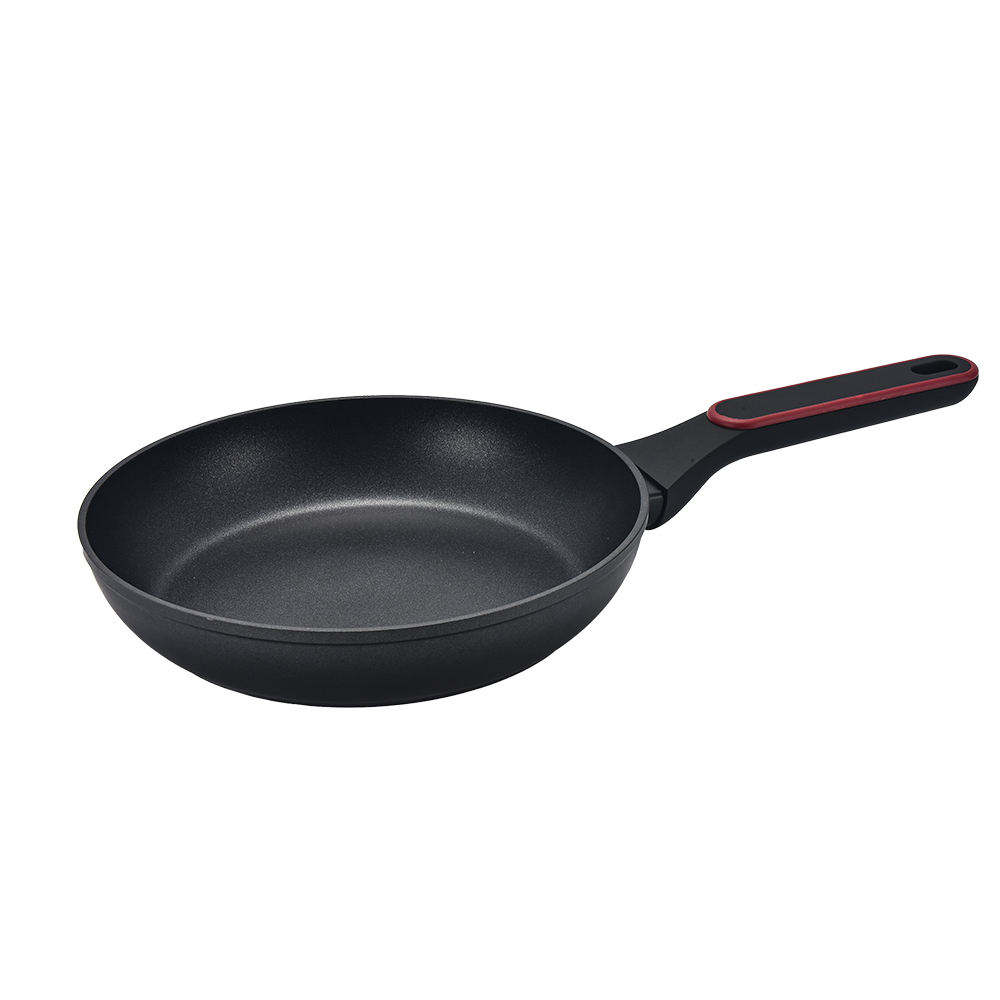
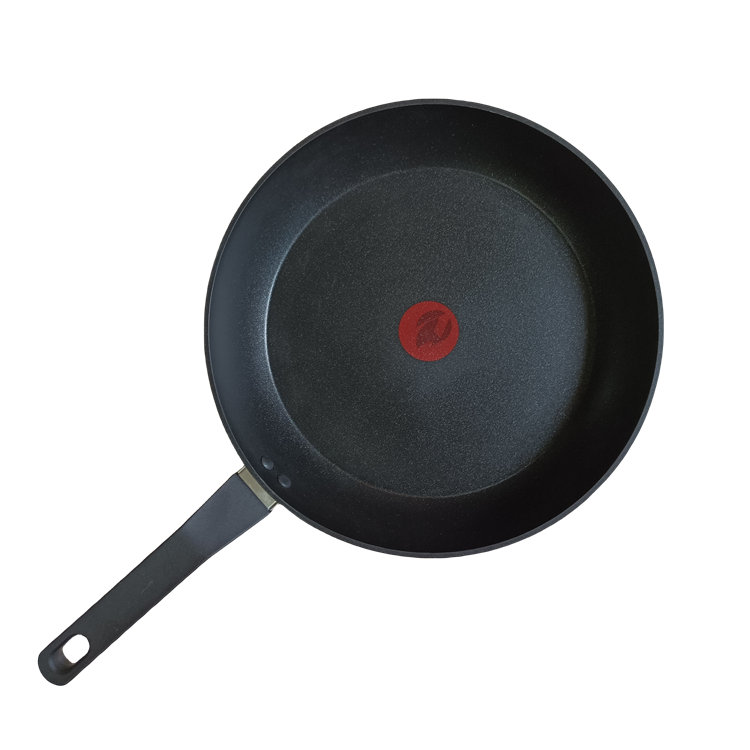
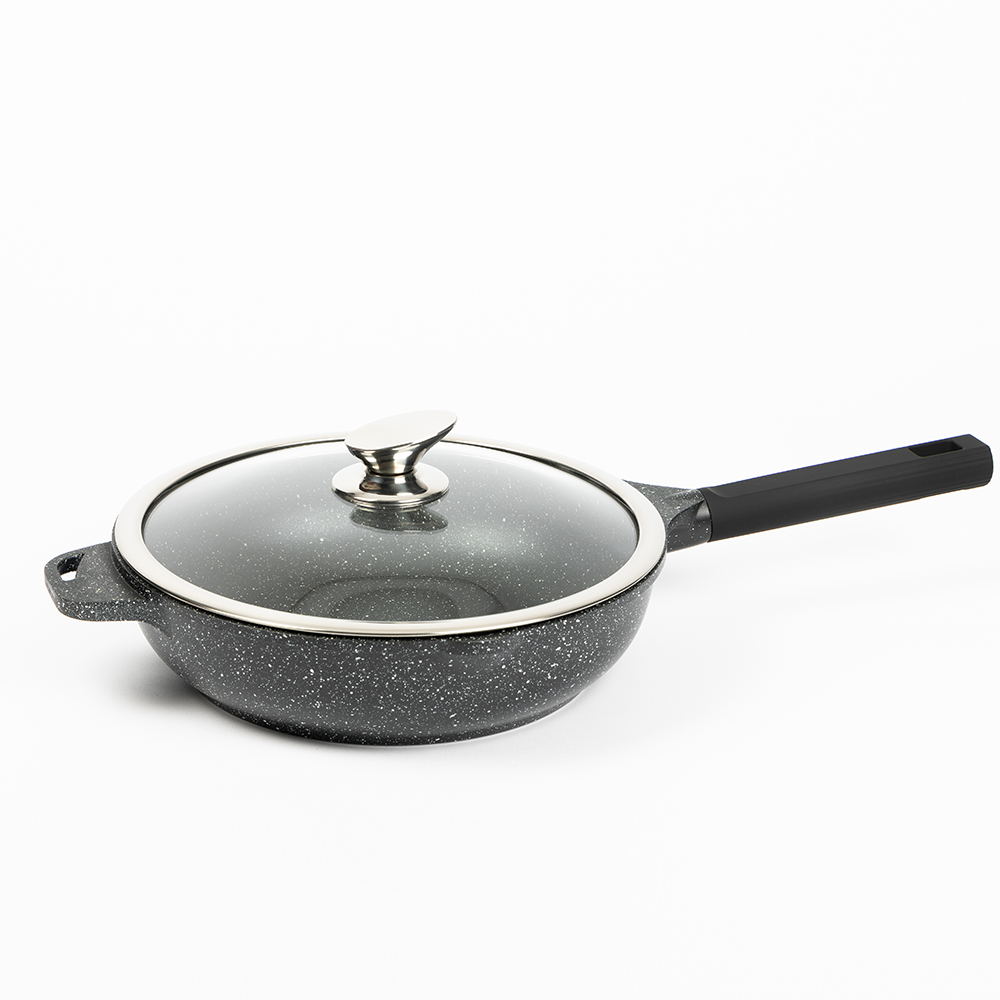
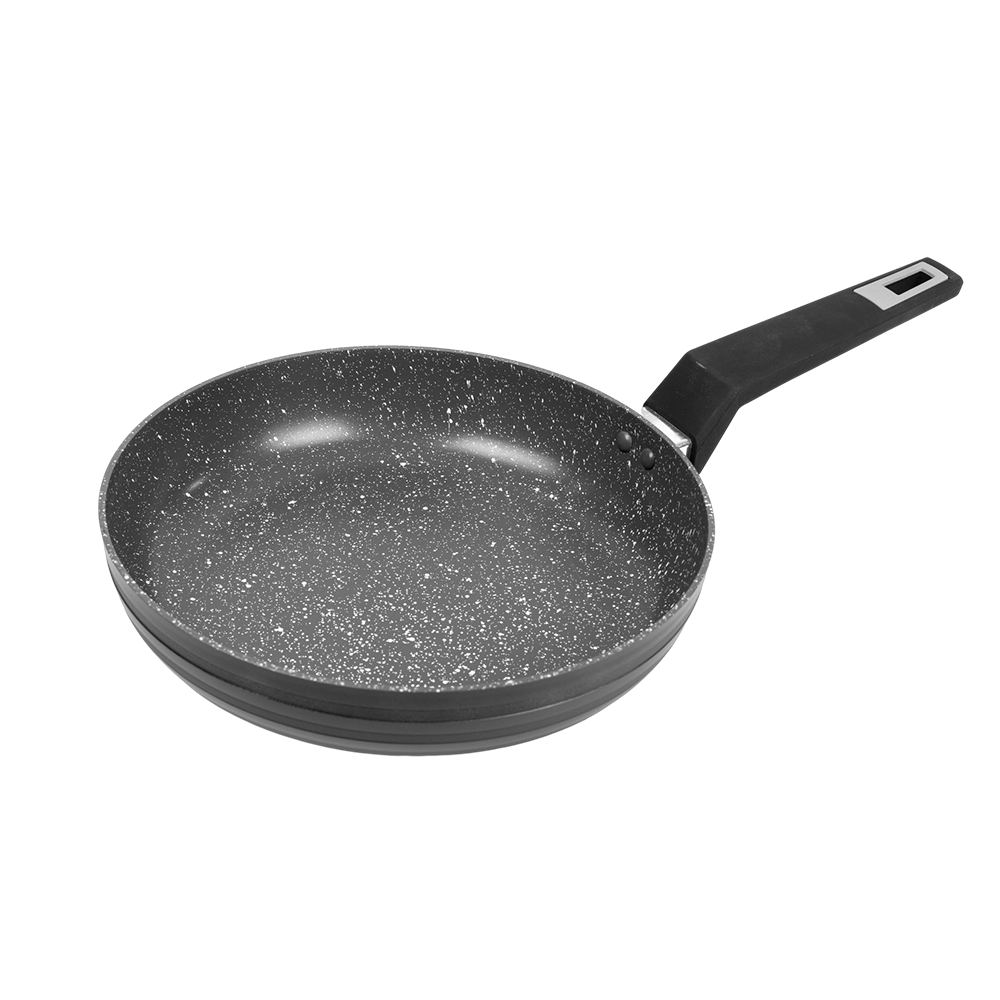
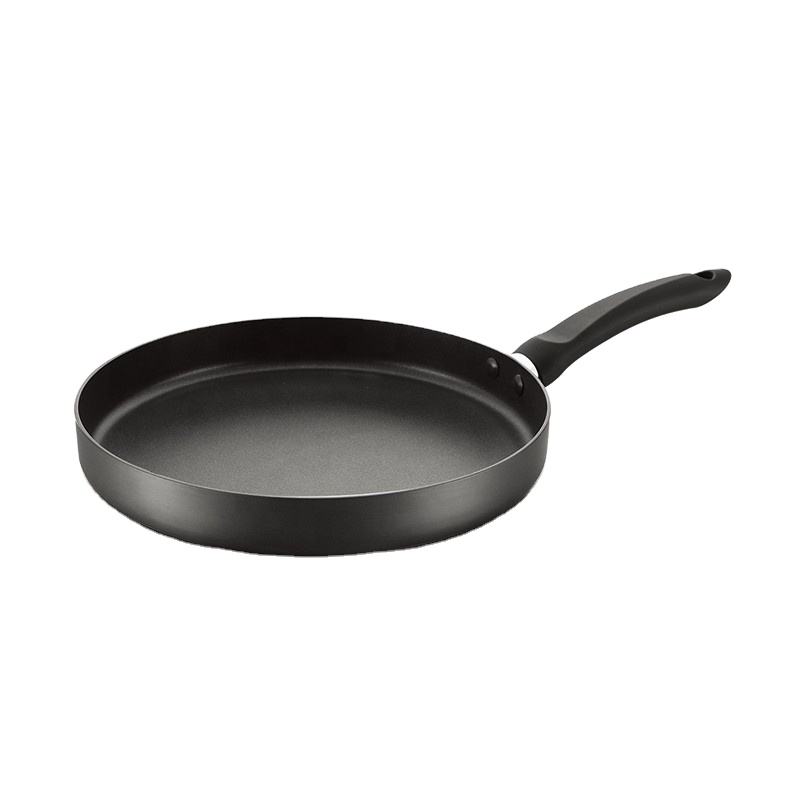
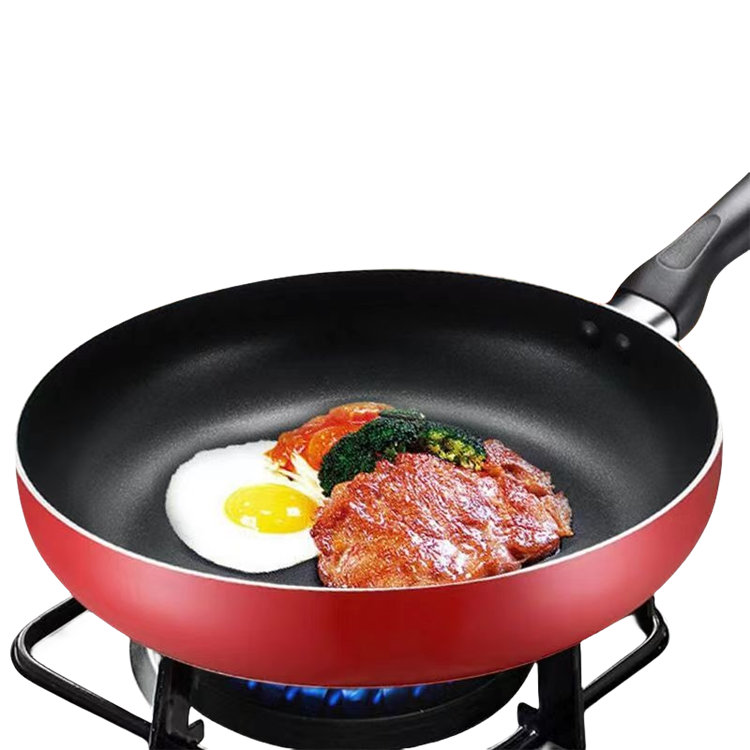
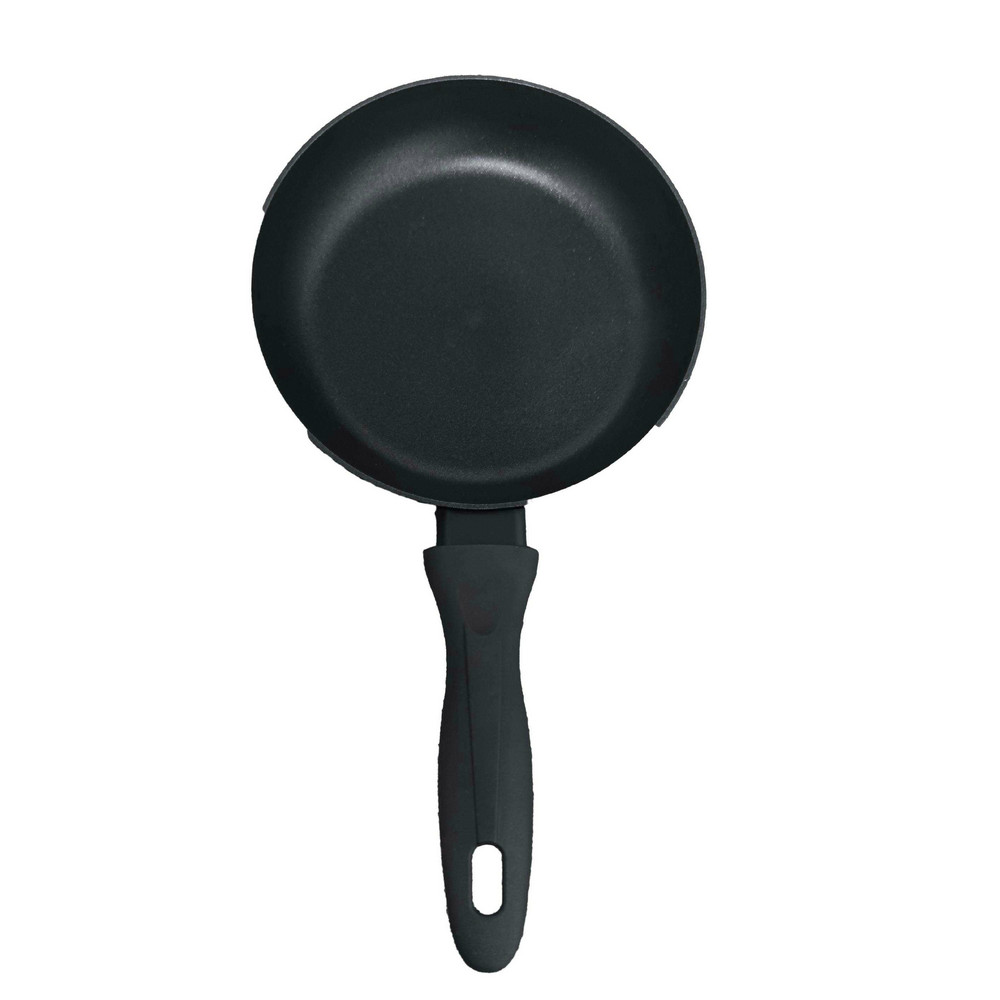
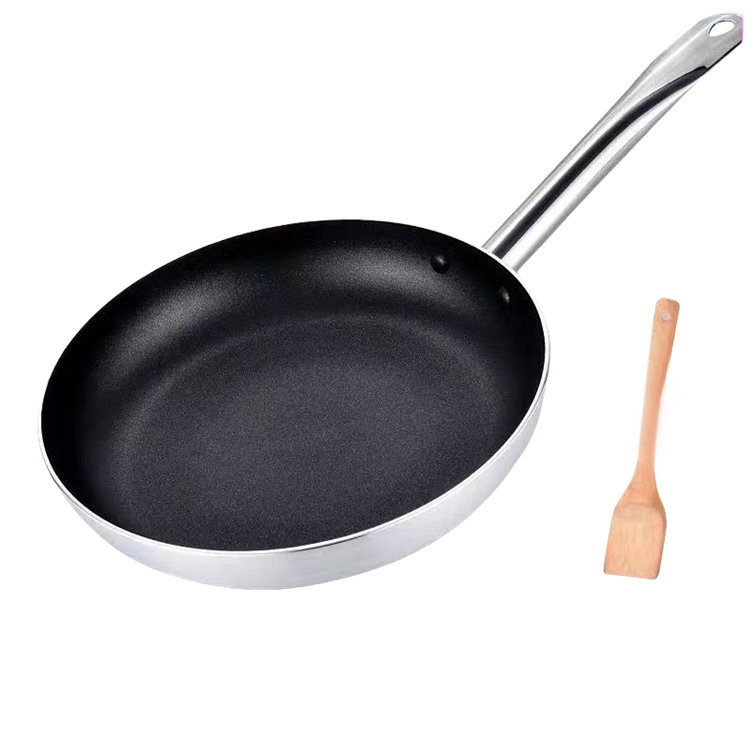
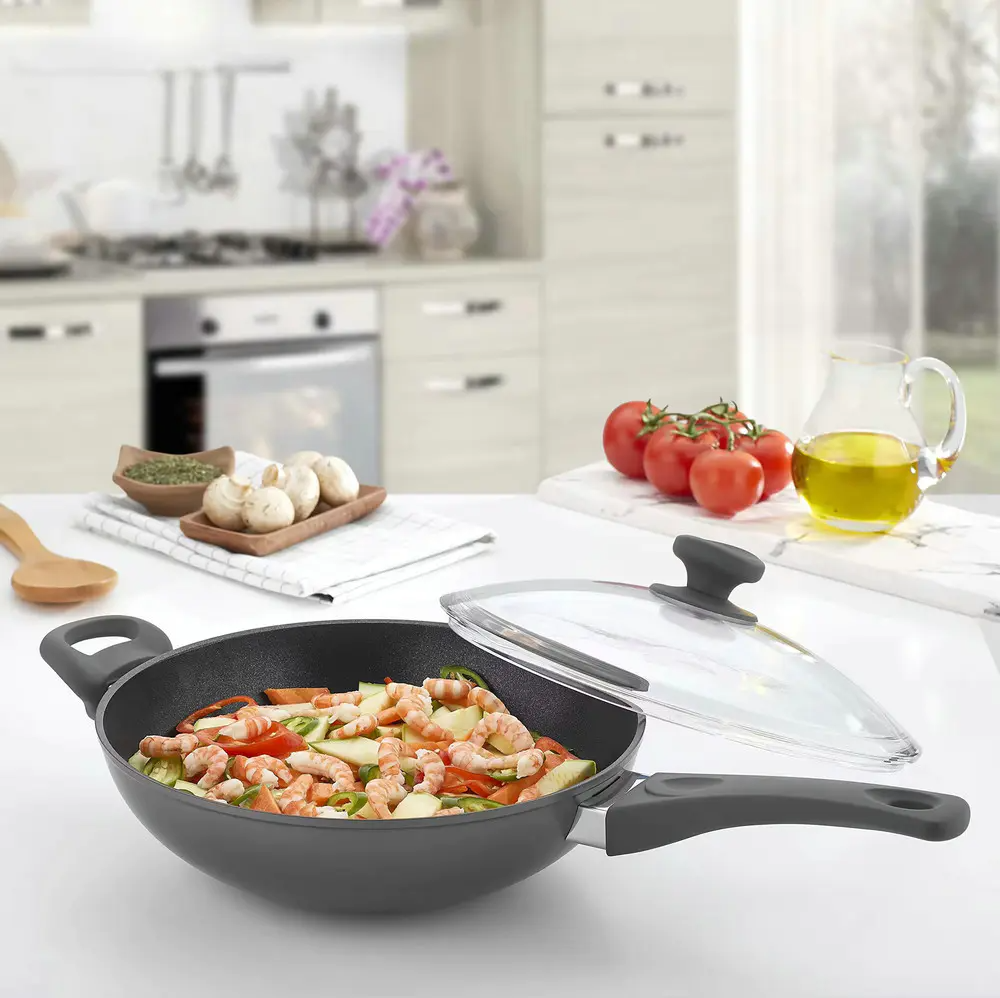
A standard 12-inch fry pan holds between 2 and 3 quarts depending on its depth. Shallow fry pans (about 1.5 inches deep) hold roughly 6–8 cups, while deep fry pans or sauté pans (2.5 to 3 inches deep) hold up to 12 cups — comparable to the 9x13 baking pan. So when a recipe says "use a large fry pan or a 9x13 baking dish," they are working from similar volume assumptions.
The critical difference is shape and heat distribution. A fry pan concentrates heat at the bottom center and uses sloped sides to encourage evaporation and browning. A 9x13 baking pan has straight, taller sides that trap moisture and promote even cooking across a larger, shallower surface area. For stovetop dishes — sautéed vegetables, pan sauces, fried rice — the fry pan is the right tool. For oven dishes — casseroles, lasagna, sheet cakes — the 9x13 pan wins. There are also oven-safe fry pans, particularly cast iron and stainless steel, that bridge this gap well.
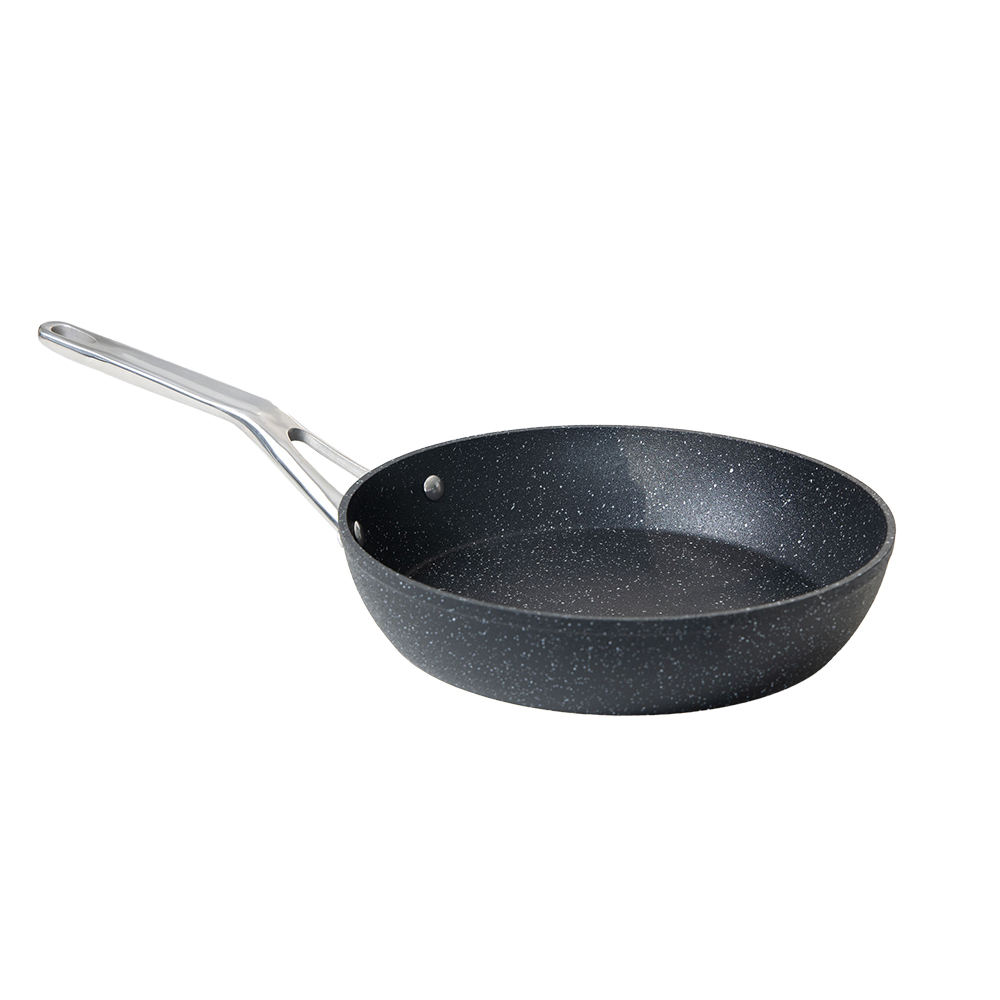
When recipes call for starting something on the stovetop and finishing in the oven — braised chicken thighs, shakshuka, frittata — an oven-safe fry pan with a capacity of 2.5 quarts or more can replicate what a 9x13 pan does, often with better browning results because the concentrated heat at the base of the fry pan develops a deeper crust. However, the 9x13 pan wins for volume when feeding a crowd, since a 9x13 pan can hold more portions arranged in a single layer.
Choosing the Right Fry Pan Size for 9x13 Recipe Substitutions
If you want to substitute a fry pan for a 9x13 pan, use these guidelines:
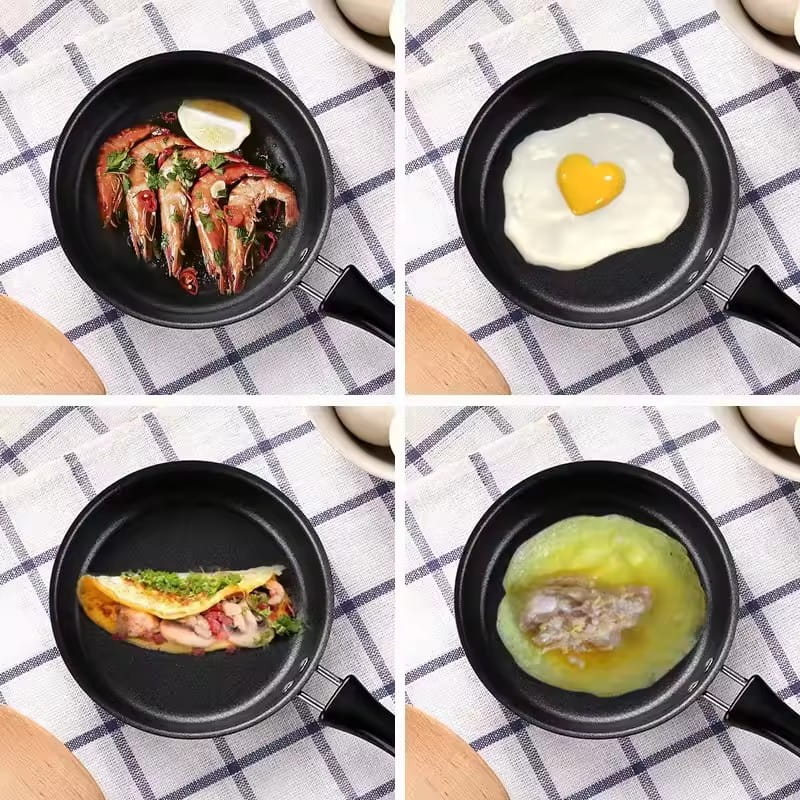
- A 10-inch deep fry pan or sauté pan holds about 6–8 cups (1.5–2 quarts) — suitable for half a 9x13 recipe.
- A 12-inch deep fry pan or sauté pan holds about 10–12 cups (2.5–3 quarts) — suitable for a full 9x13 recipe.
- A standard shallow 10-inch fry pan holds about 4–5 cups — only suitable for a quarter of a 9x13 recipe.
- Always verify that your fry pan is labeled oven-safe before placing it in the oven; most non-stick fry pan coatings have temperature limits, often around 400–450°F (200–230°C).
Practical Conversions for Scaling Recipes Up or Down
Knowing that your 9x13 pan holds 3 quarts (12 cups) gives you a solid anchor for scaling any recipe. Here are the conversions and substitution rules you will actually use.
Scaling a 9x13 Recipe Into Smaller Pans
One 9x13 pan = two 8x8 pans in terms of total batter or filling volume. If you want to split a full batch between two smaller pans — for example, to give half to a friend or to bake at two different times — two 8x8 pans are your answer. The cooking time may be slightly shorter because the layer of food in an 8x8 pan is not identical to the layer in a 9x13, but it should be within a few minutes.
One 9x13 pan ≈ two 9-inch round pans. This is the standard layer cake conversion. A recipe that fills a 9x13 with 3 quarts of batter should fill two 9-inch rounds to about the same depth. This conversion works particularly well for cakes and cornbread.
Volume Conversion Quick Reference
- 1 quart = 4 cups = 32 fluid ounces = 946 ml
- 3 quarts (9x13 pan capacity) = 12 cups = 96 fluid ounces = 2.84 liters
- 1 cup = 16 tablespoons = 8 fluid ounces = 237 ml
- Half a 9x13 recipe = 1.5 quarts = 6 cups — fits an 8x8 pan
- Double a 9x13 recipe = 6 quarts = 24 cups — requires a large roasting pan or stock pot
Adjusting Cooking Time When Scaling Pan Size
When you change pan size, depth of the food layer changes, and this affects cooking time. The general rule: a thinner layer cooks faster, a thicker layer cooks slower. If you move a 9x13 recipe into an 8x8 pan (which will make a thicker layer since you are using the same volume in a smaller footprint), add roughly 10–20% more cooking time and check for doneness earlier. If you move it to a larger pan where the layer is thinner, reduce time by a similar margin. Temperature stays the same — only time changes.
Common Recipes That Use a 9x13 Pan and How Much They Fill It
Understanding capacity becomes most useful when you attach it to actual recipes. The following breakdown shows how much of the 3-quart capacity common 9x13 recipes actually use, and what happens if you scale them incorrectly.
| Recipe | Approximate Fill Volume | % of Pan Capacity Used | Notes |
|---|---|---|---|
| Classic lasagna (6–8 servings) | ~10 cups / 2.5 qt | 83% | Leave 1 inch of headspace for bubbling |
| Sheet cake (boxed mix) | ~5–6 cups / 1.25–1.5 qt | 42–50% | Batter rises; do not fill more than 2/3 |
| Brownies (standard batch) | ~4 cups / 1 qt | 33% | Dense batter; shallow layer bakes evenly |
| Chicken casserole | ~8–10 cups / 2–2.5 qt | 67–83% | Sauce may bubble; keep headspace |
| Bread pudding | ~10–11 cups / 2.5 qt | 83–92% | Bakes in water bath; watch for overflow |
| Rice crispy treats | ~6–7 cups / 1.5 qt | 50–58% | Press into pan; no rise concern |
| Roasted vegetables | ~6–8 cups / 1.5–2 qt | 50–67% | Single layer ideal; overcrowding steams |
Notice that very few recipes actually fill a 9x13 pan to its full 3-quart capacity. Most use between one-third and two-thirds of the available volume. This is intentional — headspace allows food to rise, sauces to bubble, and heat to circulate properly. If a recipe fills the pan more than 90%, you risk overflow and uneven cooking.
When Recipes Say "3-Quart Baking Dish" — Is a 9x13 the Right Choice?
Recipes frequently call for a "2-quart baking dish" or a "3-quart casserole dish" without naming a specific shape. This creates confusion because the same volume can come in very different shapes: square, rectangular, oval, or round. Here is how to decode those calls.
When a recipe calls for a 3-quart baking dish, a 9x13 pan is almost always appropriate. The footprint and depth of a standard 9x13 pan make it ideal for casseroles, gratins, and roasted dishes that need a 3-quart vessel. The one exception: some 3-quart recipes are designed for oval baking dishes, which are narrower and deeper. In those cases, the food is arranged differently — think a whole fish fillet or a roasted chicken — and the 9x13's rectangular shape changes presentation but not cooking performance.
When a recipe calls for a 2-quart baking dish, the 9x13 is too large. Use an 8x8 square pan, an 11x7 pan, or a 2-quart oval baker instead. Putting a 2-quart recipe in a 3-quart pan spreads the food too thin, which causes it to dry out faster and brown too aggressively at the edges.
Baking Dish Size by Recipe Volume
- 1-quart dish: Small loaf pan, 6x6 baking dish, or individual ramekins
- 2-quart dish: 8x8 square pan, 11x7 rectangular pan, or 2-qt oval baker
- 3-quart dish: 9x13 rectangular pan, 3-qt oval baker, or deep 9x9 pan
- 4-quart dish: Large roasting pan, 10x15 jelly roll pan, or extra-deep 9x13
- 5–6-quart dish: Full-size hotel pan, large Dutch oven, or stockpot
Roasting Pans, Fry Pans, and the 9x13: Knowing Which Tool Does What
A well-stocked kitchen uses three or four types of pans regularly, and each has a different ideal use case even when they share similar volumes. Understanding where the 9x13 sits in relation to roasting pans and fry pans will help you make better decisions about which to reach for.
Roasting Pan vs. 9x13 Baking Pan
A roasting pan typically comes in larger sizes — 13x16 or 16x12 inches — with taller sides of 3 to 4 inches, giving it a capacity of 6 to 10 quarts. The 9x13 pan, at 3 quarts, is the compact cousin of the roasting pan. For a whole turkey or a large prime rib, you need a full roasting pan. For a small chicken, a rack of ribs, or a pork tenderloin with vegetables, a 9x13 pan at 3 quarts is often the better choice because the food fills the pan more completely, which produces better pan drippings and more even roasting.
Fry Pan vs. 9x13 Baking Pan
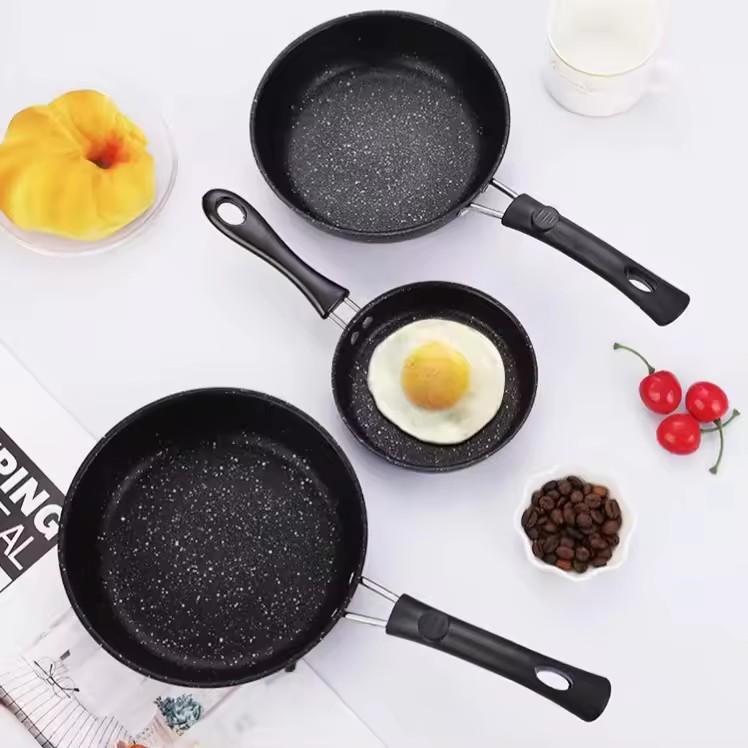
The fry pan is the stovetop workhorse. A 12-inch fry pan with 3-inch sides — commonly called a deep fry pan or a sauté pan — holds close to 3 quarts and can function as a partial substitute for a 9x13 when oven-safe. However, the round shape of a fry pan means different portions of the food are different distances from the heat source, and the sloped sides encourage browning and evaporation rather than moisture retention. For dishes that need trapped steam and even, moist cooking — scalloped potatoes, macaroni and cheese, bread pudding — the 9x13's straight walls and flat-bottomed rectangular design outperform the fry pan in the oven. For dishes that need a good sear before going into the oven — chicken thighs, steak, sausages — the fry pan's stovetop capabilities give it a decisive edge.
The smartest kitchen practice is to use a fry pan for initial browning and then transfer to a 9x13 pan for oven finishing when you are cooking for a crowd. Brown the chicken pieces in batches in the fry pan, then arrange them all in the 9x13 with sauce, and finish in the oven. This combines the best of both tools.
Tips for Getting the Most Out of Your 9x13 Pan's Capacity
Maximizing the performance of a 9x13 pan is not just about filling it correctly. There are several practical strategies that make the pan work better across a wider range of recipes.
- Use a kitchen scale alongside volume measurements. Recipes often list batter amounts in cups, but dense batters like brownie mix weigh significantly more per cup than light batters like angel food cake. Weighing your batter and comparing to the recipe's expected yield is more reliable than measuring in cups when volume is critical.
- Fill to the two-thirds rule for baked goods. Any recipe that rises — cake, quick bread, souffle — should only fill the pan about two-thirds of the way, or roughly 8 cups in a 9x13 pan. This leaves room for expansion without overflow.
- Measure your own pan once. Fill your specific 9x13 pan with water by the cup and note the total. Write it in marker on the bottom of the pan or keep a note in your recipe folder. Pan capacities vary enough by brand and material that knowing your specific number is worth five minutes of measuring.
- Use foil pans for portioning and transport. Disposable aluminum 9x13 foil pans hold the same 3 quarts as standard metal pans and are ideal for gifting food or bringing dishes to events. They are available in standard depth (2 inches) and deep depth (3 inches), and labeling on the box will tell you which you have.
- Consider a 9x13 pan with a lid for casseroles. Many ceramic and glass 9x13 dishes come with matching lids. Covering a casserole traps steam and keeps moisture in the dish, effectively using the full 3 quarts of volume as a sealed cooking environment. This is particularly valuable for rice-based casseroles where absorption requires consistent moisture.
- Do not crowd roasted or baked items that need browning. Even though the 9x13 can hold 3 quarts of material, filling it to capacity with vegetables or proteins results in steaming rather than roasting. For the best browning, keep items in a single layer with space between them, which typically means using only half to two-thirds of the pan's surface area rather than thinking in terms of volume.
Frequently Asked Questions About 9x13 Pan Capacity
Does a 9x13 pan hold 3 or 4 quarts?
The standard answer is 3 quarts, which accounts for the rounded corners and sloped sides of most real pans. A theoretical pan with perfectly square corners and exactly 2-inch depth would hold just over 4 quarts to the very brim, but no real pan reaches this number in practice.
Can I use a 3-quart saucepan instead of a 9x13 pan?
In terms of volume, yes, a 3-quart saucepan holds the same amount. But the shape is completely different — a saucepan is tall and narrow, while a 9x13 pan is wide and shallow. Most oven baking relies on the shallow, wide format to achieve the right texture, crust, and cook time. You cannot substitute a saucepan for a baking pan for something like lasagna or brownies.
How many quarts is a 9x13x3 pan?
A 9x13 pan that is 3 inches deep holds approximately 4.5 quarts (about 18 cups) to the brim. This is 50% more capacity than the standard 2-inch deep version. These deeper pans are common in commercial baking and are available from restaurant supply stores.
How many quarts is a half-sheet baking pan?
A half-sheet pan (18x13 inches with 1-inch sides) holds approximately 4 quarts, but its very shallow depth means it is rarely used as a casserole vessel. It is designed for cookies, roasted vegetables, and sheet pan dinners where a thin layer of food is spread across a large surface.
Is a 9x13 pan the same as a 3-quart casserole dish?
In terms of volume, yes. In terms of shape, a casserole dish labeled "3-quart" might be oval or deeper and narrower, while the 9x13 pan is rectangular and wider. Both hold the same total amount of food, but the distribution across the surface differs. For most casserole recipes, you can use either interchangeably with minor adjustments to cooking time.