English
 中文简体
中文简体
 日本語
日本語
 Español
Content
- 1 The Direct Answer: How To Measure A Fry Pan Correctly
- 2 Why Pan Measurements Get Confusing In The First Place
- 3 Step-By-Step: Measuring Diameter The Right Way
- 4 Measuring Depth, Volume, And Capacity
- 5 Measuring Handle Length And Total Pan Length
- 6 Measuring For A Replacement Lid
- 7 Measuring Wall And Base Thickness
- 8 Standard Fry Pan Sizes And What Each One Is Actually Good For
- 9 How Pan Size Reporting Differs From One Market To Another
- 10 Measuring The Base For Induction And Stove Compatibility
- 11 Measuring A Pan That Has No Visible Size Markings
- 12 Measuring For Kitchen Storage, Drawers, And Stacking
- 13 Common Mistakes People Make When Measuring A Pan
- 14 Tools That Make Measuring A Pan Easier
- 15 How A Fry Pan's Measurements Compare To Other Pan Types
- 16 A Quick Checklist Before You Measure Or Buy
- 17 Quick Inch-To-Centimeter Conversion Reference
- 18 Frequently Asked Questions About Measuring A Pan
- 18.1 Is a pan measured from inside or outside the rim?
- 18.2 Why does my new pan feel smaller than the size I ordered?
- 18.3 Do I measure a pan with or without the handle?
- 18.4 How do I know what size lid fits my pan if the original is lost?
- 18.5 Does pan size affect cooking time?
- 18.6 What size fry pan is considered standard for daily cooking?
- 18.7 Why do two pans labeled the same size measure slightly differently?
- 18.8 Can I use the box or packaging measurement instead of measuring the pan myself?
- 18.9 Does a pan's measured size change once it's seasoned or coated with nonstick material?
- 18.10 How do I measure a pan if it's an unusual oval or rectangular shape?
- 18.11 Is it normal for a pan to measure differently when it's hot versus cold?
The Direct Answer: How To Measure A Fry Pan Correctly
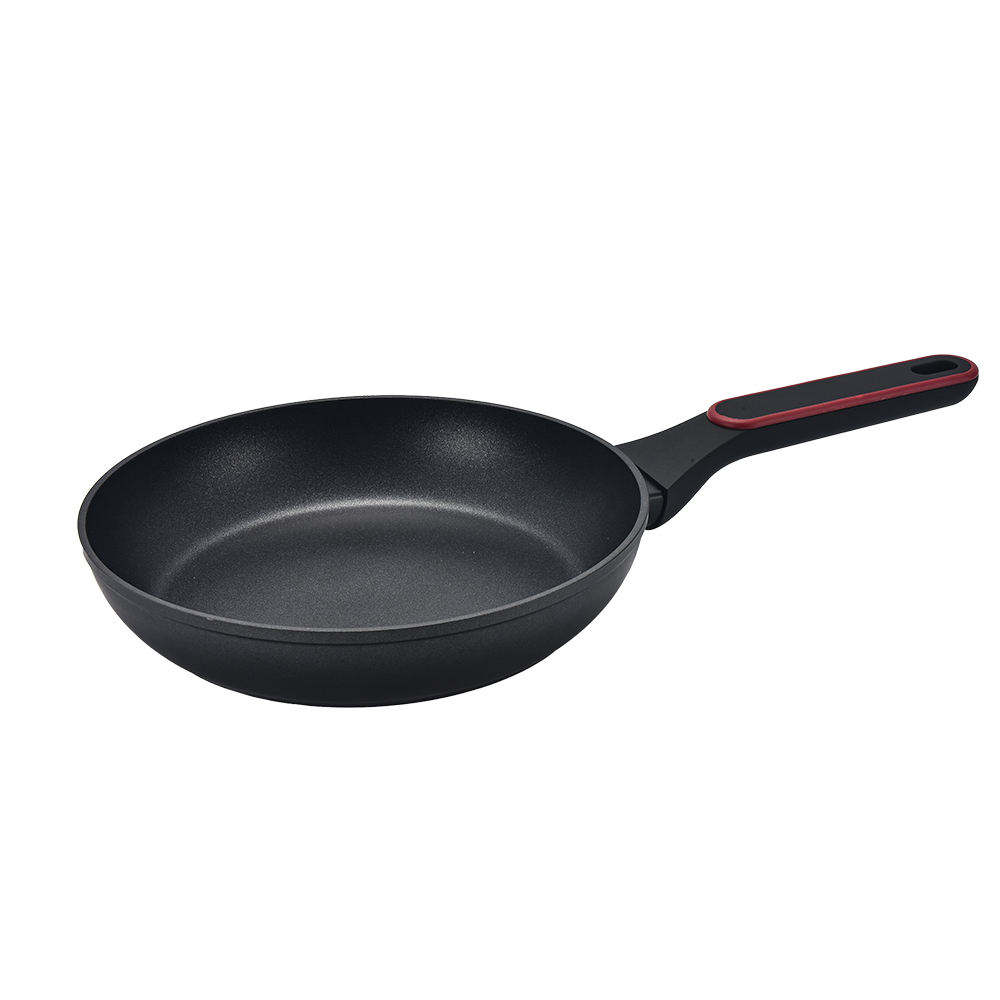
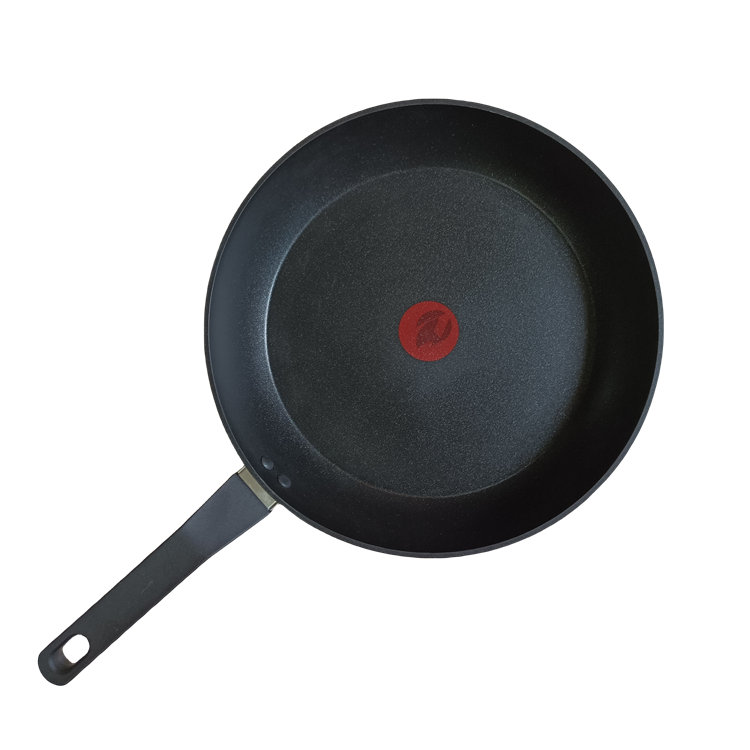
To measure a fry pan the right way, lay it flat on a table, stretch a tape measure across the top rim, from inside edge to inside edge, and read that number — this is the diameter manufacturers print on the box. If you want the cooking surface size instead, measure straight across the flat bottom of the inside of the pan, which is almost always one to two inches smaller than the rim measurement. Depth is measured vertically from the inside bottom to the top rim, not including the handle. Most listings you see online — 8 inch, 10 inch, 12 inch, 14 inch — refer to the rim-to-rim diameter, not the cooking surface, and mixing the two up is the single most common reason a new pan feels "smaller than advertised" once it arrives.
If you only remember one rule from this entire guide, remember this: rim diameter is the marketing number, cooking surface diameter is the real number. Everything below explains how to take both measurements accurately, how to measure depth, capacity, handle length, lids, and induction base size, plus a full size conversion chart and a FAQ section covering the questions people ask most often when they're trying to replace, gift, or store a pan.
Why Pan Measurements Get Confusing In The First Place
A fry pan is not a perfect cylinder. The walls slope outward from the base to the rim on almost every design, which means the diameter changes depending on where along the pan's height you place your tape measure. This single shape detail explains nearly every confusing review you've ever read that says "runs small" or "bigger than expected."
There are three diameters hiding inside one pan, and retailers, manufacturers, and home cooks don't always agree on which one they're quoting:
- Rim diameter — the widest point, measured across the very top edge. This is the industry-standard number used on packaging.
- Cooking surface diameter — the flat bottom area where food actually contacts heat. Usually 1 to 2 inches smaller than the rim.
- Base/induction diameter — the flat ring of metal that physically touches the burner or induction coil, which determines heat transfer and stove compatibility.
None of these numbers are wrong — they're just answering different questions. A pan box that says "12 inch" is telling you the rim diameter. A recipe that says "use a 10 inch skillet" usually means cooking surface. A stove manual that lists minimum and maximum pan sizes is talking about the base. Knowing which one you're holding the tape measure against changes the result by a noticeable margin.
Manufacturing tolerance adds a second layer of confusion on top of shape. Stamped and pressed cookware is rarely accurate to the exact millimeter, and a small tolerance window in either direction is considered normal across the industry, even on higher-end production lines. This is part of why two pans from the same product line, bought months apart, can measure slightly differently under a tape measure even though both are sold under the identical size name. It also explains why a pan that measures 27.8cm and one that measures 28.3cm can both legitimately be marketed as a "28cm" pan.
A third factor is the rolled or flared lip found on many pans, designed to make pouring liquid easier without dripping down the side. That outward flare adds a small amount of extra width right at the very top edge, which is why measuring slightly below the lip, at the true structural rim, tends to give a more consistent and repeatable number than measuring at the absolute outer tip of the flare.
Step-By-Step: Measuring Diameter The Right Way
Place the pan upside down on a flat, hard surface
Flip the pan over so the bottom faces up and set it on a table or counter. This stops the sloped sides from throwing off your reading and gives you a flat, stable rim to measure against.
Stretch a tape measure or ruler across the widest point
Find the two points on the rim that are farthest apart and run the tape directly through the center of the pan, edge to edge. A flexible cloth or metal tape measure works better than a rigid ruler for anything over 10 inches, since you can keep it perfectly straight across the curve.
Round to the nearest half inch or whole centimeter
Manufacturers round their published sizes, so a pan that measures 11.6 inches is sold as a 12 inch pan. Don't worry about getting an exact decimal — match your reading to the nearest standard size listed in the chart further down this page.
Flip it back over and measure the cooking surface separately
Turn the pan right-side up and measure across the flat interior bottom only, stopping where the wall starts to curve upward. This second number is what actually determines how many pancakes, eggs, or fillets fit at once.
Measuring Depth, Volume, And Capacity
Depth is measured vertically, from the inside bottom of the pan straight up to the top of the rim, using a ruler held perpendicular to the base. Ignore the handle entirely — it has no bearing on depth and including it is the second most common measuring mistake after confusing rim and cooking surface diameter.
Most fry pans fall into a shallow range of 1.5 to 3 inches deep. Anything deeper than 3 inches is typically reclassified by manufacturers as a sauté pan or a deep skillet rather than a fry pan, even if the diameter is identical. Depth matters for two practical reasons: it determines whether food can be flipped or tossed without spilling over the side, and it determines liquid capacity for dishes that include a sauce or braising liquid.
To estimate capacity without specialized equipment, fill the pan with water using a measuring jug, pouring slowly and counting cups or milliliters until the water reaches the rim. This gives you the maximum volume; usable cooking volume is generally about 70 to 80 percent of that figure, since you never want to fill a pan to the very top while cooking.
| Rim Diameter | Typical Depth | Approx. Max Capacity |
|---|---|---|
| 8 inch | 1.5 inch | 3 cups |
| 10 inch | 1.75 inch | 5 cups |
| 12 inch | 2 inch | 7.5 cups |
| 14 inch | 2.5 inch | 10 cups |
Measuring Handle Length And Total Pan Length
Handle measurements matter more than most buyers expect, especially for anyone with a small stove, limited counter space, or a narrow storage drawer. There are two numbers worth taking:
- Handle length only — measured from where the handle meets the pan body to the very end of the grip.
- Overall length — measured from the far edge of the handle to the opposite rim of the pan, which tells you how much linear space the pan needs on a stovetop or in a drawer.
As a rough guide, handle length tends to scale with pan diameter: an 8 inch pan usually carries a handle around 6 to 7 inches long, while a 12 inch pan often carries a handle in the 8 to 9 inch range, bringing total overall length to roughly 20 to 21 inches. If you're measuring a pan to confirm it fits inside a specific oven, drawer, or dishwasher rack, always use the overall length figure, not the diameter alone.
Measuring For A Replacement Lid
Lids are measured the same way as the pan rim — straight across, edge to edge, at the widest point — but the number you need depends on the lid style. A flat lid that rests inside the rim should be measured at its own outer edge, while a domed lid that sits over the outside of the rim should be measured at the point where it overlaps the pan, not at the dome's widest bulge.
A simple rule of thumb that works for most replacement lid shopping: match the lid diameter to the pan's rim diameter, not its cooking surface diameter. A small mismatch of half an inch is usually fine since most lids have a slight lip or silicone gasket that allows a little flex, but anything more than an inch off will either fall through the rim or sit loosely without sealing in steam.
Measuring Wall And Base Thickness
Diameter tells you how wide a pan is, but thickness tells you how it will actually perform on heat, and it's a measurement most buyers skip entirely. Use a caliper if you have one, or a ruler held flat against the cut edge if you're comparing a pan in a shop. Two figures matter:
- Base thickness — measured straight through the bottom of the pan, this is the single biggest factor in how evenly heat spreads and how well the pan resists warping over an open flame.
- Wall thickness — measured through the sloped side, this is usually thinner than the base by design, since the sides need less mass for heat retention and reducing wall thickness keeps the overall pan lighter to lift.
As a general guide, base thickness on most home cookware sits somewhere between 2mm and 4mm. Thinner than 2mm and a pan tends to develop hot spots directly above the burner ring and warp faster with repeated high-heat use; thicker than 4mm and the pan becomes noticeably heavier and slower to heat up, trading responsiveness for stability. Neither end of that range is automatically better — a thin base suits fast, high-heat cooking where you want quick temperature changes, while a thick base suits slow, even cooking where steady heat matters more than speed.
| Base Thickness | Heat-Up Speed | Heat Evenness |
|---|---|---|
| Under 2mm | Very fast | Uneven, prone to hot spots |
| 2mm to 3mm | Fast | Moderate |
| 3mm to 4mm | Moderate | Good |
| Over 4mm | Slow | Very even |
Standard Fry Pan Sizes And What Each One Is Actually Good For
Once you know how to take a measurement, it helps to know what you're comparing it against. Fry pans are sold in a fairly small set of standard sizes across most cookware brands, and each size tends to serve a different kitchen task rather than just scaling the same job up or down.
| Size | Best Suited For | Typical Servings |
|---|---|---|
| 8 inch | Single eggs, small omelets, reheating | 1 person |
| 10 inch | Everyday cooking, pancakes, stir-fry for two | 2 people |
| 12 inch | Family meals, multiple chicken breasts at once | 3 to 4 people |
| 14 inch | Batch cooking, large stir-fries, entertaining | 5 or more people |
A pan that measures right at the border between two sizes — say 10.8 inches — usually behaves more like the larger size in daily use, since the cooking surface diameter shrinks proportionally and you lose more usable space than the rim number suggests.
How Pan Size Reporting Differs From One Market To Another
Measuring a pan correctly is only half the job if you're comparing listings across different regions, because the underlying habit of what gets measured shifts depending on where the cookware is sold. This is one of the most common sources of confusion when shopping on international marketplaces or comparing a pan bought abroad to one bought locally.
In North American retail, sizes are almost always given in whole or half inches and almost always refer to rim diameter. European retail more commonly lists sizes in centimeters, frequently rounded to a multiple of 2, and is somewhat more likely to reference the cooking surface diameter rather than the rim, particularly for professional and chef-grade lines. Markets across parts of Asia often list both a centimeter figure and a separate base diameter figure side by side, since induction stovetops are extremely common in those markets and base compatibility is treated as a primary selling point rather than a footnote.
None of these conventions are officially standardized across the whole cookware industry, which is exactly why taking your own measurement of a pan you already own and trust remains the most reliable way to shop for a replacement, regardless of which region's labeling convention the new listing follows.
Measuring The Base For Induction And Stove Compatibility
Rim Diameter
The widest point of the pan, measured at the top. This is the number printed on packaging and used in most online listings. It does not tell you anything about whether the pan will work on your specific stove.
Base Diameter
The flat magnetic disc on the underside that actually sits on the burner or induction coil. Flip the pan over and measure straight across this flat section only, ignoring any curved transition area near the edge.
Base diameter is the figure that matters for stove compatibility. Most induction cooktops list a minimum base size, commonly around 4.5 inches, below which the burner won't detect the pan and activate. Gas burners are more forgiving since flame size can be adjusted, but a base that's significantly smaller than the burner grate wastes heat around the edges and cooks unevenly. If you're shopping for a pan to replace one that already works well on your stove, measuring the base of your current pan and matching that number is more reliable than matching the rim diameter alone.
Measuring A Pan That Has No Visible Size Markings
Secondhand pans, inherited cookware, and older pieces bought at a market stall frequently arrive with no stamped size, no sticker, and no box to check. In these cases a tape measure is the only reliable way to identify what you're actually holding, and a short, repeatable routine gets you a trustworthy answer in under two minutes.
Start with rim diameter using the upside-down method described earlier in this guide, since a flat surface gives the most consistent reading on a pan with no manufacturer reference point. Record that number, then measure depth and base diameter using the same techniques. Once you have all three figures, compare them against the standard size chart further up this page — most unmarked pans will land close enough to a recognized standard size that you can confidently call it an "8 inch," "10 inch," or "12 inch" pan even without an official label.
If a pan measures in an unusual in-between size, such as 9.5 or 11.5 inches, that's typically a sign of either an older production run made before sizing conventions standardized further, or a piece manufactured for a market that uses a different rounding convention than the one you're used to. Neither situation is a problem — it simply means you should shop for replacement lids and accessories using your own measured number rather than guessing at the nearest round figure.
Measuring For Kitchen Storage, Drawers, And Stacking
Buying a pan that fits the stove is only useful if it also fits where you intend to keep it. Three storage measurements are worth taking before any pan goes into a cart, especially in smaller kitchens where cabinet space is limited:
- Drawer depth — measure the usable depth of the drawer from front to back and compare it against the pan's overall length including the handle, not just the rim diameter.
- Shelf height — measure the vertical clearance on the shelf where the pan will sit, accounting for the pan's full depth plus any lid that will sit on top of it.
- Stack height — if you're stacking multiple pans, measure the depth of each one and add them together, since a stack of three 2-inch deep pans needs 6 inches of clear vertical space, not just the height of the tallest single pan.
A pan rack mounted on a wall or hung from a rail sidesteps most of these constraints, but introduces a different measurement to check: the diameter of the hole or hook opening in the handle, which needs to clear the rail or hook width with enough margin that the pan hangs and swings freely without binding.
Common Mistakes People Make When Measuring A Pan
| Mistake | Why It Happens | Correct Approach |
|---|---|---|
| Measuring across the handle by accident | Tape catches on the handle base near the rim | Rotate the pan so the handle points away from your measuring line |
| Measuring diagonally instead of through the center | Pan isn't perfectly round or tape isn't aligned | Measure two or three times at different angles and average the result |
| Confusing rim diameter with cooking surface diameter | Sloped walls make the two numbers genuinely different | Always specify which surface you measured when comparing pans |
| Including the handle in depth measurements | Habit carried over from measuring overall length | Measure depth only from the inside base to the rim, vertically |
| Measuring on a soft or uneven surface | A rug, towel, or curved counter edge lets the pan tilt slightly | Always measure on a hard, flat tabletop or counter |
| Trusting a single online listing's stated size without checking reviews | Some listings mix up rim and cooking surface figures | Cross-check the stated size against your own measurement of a similar pan you already own |
Tools That Make Measuring A Pan Easier
Flexible Tape Measure
A soft cloth or retractable metal tape measure curves slightly to follow the rim, giving a more accurate reading than a rigid ruler on anything wider than 10 inches.
Steel Ruler
Best for smaller pans, depth readings, and handle length, where a short straight edge is easier to control than a flexible tape.
Liquid Measuring Jug
The only practical way to confirm true capacity, since pan shape makes volume difficult to calculate from diameter and depth alone with any precision.
Calipers
Useful for measuring base thickness or the exact flat width of an induction-compatible base, where small fractions of an inch genuinely matter.
Printable Size Template
A paper template with traced circles at common pan sizes lets you set a pan directly on top and compare diameter at a glance, without picking up a tape measure at all.
Phone Camera With A Reference Object
Photographing the pan from directly overhead next to a known object, such as a ruler or a standard sheet of paper, gives a quick visual size comparison when you can't measure in person.
How A Fry Pan's Measurements Compare To Other Pan Types
Once you start measuring cookware, it becomes clear that "fry pan" is really just one point on a spectrum of shallow, wide cooking vessels, and the measurements themselves are what separate the categories more than the marketing names do.
| Pan Type | Typical Depth | Wall Angle |
|---|---|---|
| Fry pan / skillet | 1.5 to 3 inch | Sloped outward |
| Sauté pan | 3 to 4.5 inch | Straight, vertical |
| Wok | 4 to 6 inch | Steeply curved, rounded base |
| Griddle | Under 1 inch | Flat, little to no wall |
The wall angle matters just as much as the depth figure when you're deciding between categories. A fry pan's outward slope is built for sliding a spatula underneath food and flipping with a flick of the wrist, while a sauté pan's straight vertical wall is built for holding a larger volume of liquid without losing surface area at the base, and a wok's curved sides are built for tossing food up and around rather than sliding it flat.
A Quick Checklist Before You Measure Or Buy
- Measure rim diameter upside down, on a hard flat surface, from inside edge to inside edge.
- Measure cooking surface diameter separately, right-side up, across the flat interior base only.
- Measure depth vertically from the inside base to the rim, excluding the handle.
- Measure base diameter if you're checking induction or burner compatibility.
- Measure overall length, including the handle, if storage space is limited.
- Write all five numbers down together rather than relying on memory, since they're easy to mix up after the fact.
Quick Inch-To-Centimeter Conversion Reference
Cookware sold internationally often lists sizes in centimeters rather than inches, which can make comparison shopping confusing. Use this reference chart to convert common fry pan sizes between the two systems without needing a calculator.
| Inches | Centimeters |
|---|---|
| 8 inch | 20 cm |
| 9.5 inch | 24 cm |
| 11 inch | 28 cm |
| 12.5 inch | 32 cm |
| 14 inch | 36 cm |
Frequently Asked Questions About Measuring A Pan
Is a pan measured from inside or outside the rim?
Almost all published pan sizes are measured from the inside edge of the rim, straight across to the opposite inside edge. Measuring from the outside edge of the rim, including the metal lip and any rolled edge, will give a slightly larger number than the size printed on the box.
Why does my new pan feel smaller than the size I ordered?
This almost always comes down to the difference between rim diameter and cooking surface diameter. A pan listed as 12 inches usually has a cooking surface closer to 10 to 10.5 inches once the sloped walls are accounted for, which can feel noticeably tighter than expected if you were picturing the rim number as usable space.
Do I measure a pan with or without the handle?
Diameter and depth are always measured without the handle. The handle is only relevant when you're measuring overall length for storage or stovetop clearance purposes.
How do I know what size lid fits my pan if the original is lost?
Measure your pan's rim diameter the same way you would measure the pan itself, then shop for a lid listed at that same diameter, allowing roughly half an inch of flexibility in either direction since most lids include a small lip or gasket.
Does pan size affect cooking time?
Yes, indirectly. A larger cooking surface spreads the same amount of oil or butter thinner, which changes browning speed, and a wider pan loses heat faster at the edges than at the center, so food near the rim of a large pan often cooks a touch slower than food in the middle.
What size fry pan is considered standard for daily cooking?
A 10 to 12 inch fry pan covers the widest range of everyday tasks for most households, large enough for two to four servings while still being light enough to lift and maneuver comfortably with one hand.
Why do two pans labeled the same size measure slightly differently?
Manufacturing tolerance allows for small variation within the same production run, and rounding conventions differ between brands, so a few millimeters of difference between two pans sold under the same size name is normal and not a sign of a defect.
Can I use the box or packaging measurement instead of measuring the pan myself?
You can as a starting point, but printed packaging sizes are rounded and occasionally inconsistent between regions, so measuring the physical pan yourself remains the most accurate way to confirm size before buying a lid, replacement, or storage solution.
Does a pan's measured size change once it's seasoned or coated with nonstick material?
No. Seasoning and nonstick coatings are measured in fractions of a millimeter and have no meaningful effect on diameter, depth, or capacity figures taken with a standard tape measure or ruler.
How do I measure a pan if it's an unusual oval or rectangular shape?
For non-round pans, measure both the longest and shortest dimensions across the rim separately, then list both numbers together, such as "10 inch by 14 inch," since a single diameter figure doesn't describe the shape accurately.
Is it normal for a pan to measure differently when it's hot versus cold?
Metal expands slightly when heated, but the change is far too small to detect with a household tape measure or ruler, so measuring a cold pan gives the same practical result as measuring it warm.