English
 中文简体
中文简体
 日本語
日本語
 Español
Content
- 1 How to Cook Boudin Sausage: The Complete Guide
- 2 What Makes Boudin Sausage Different From Other Sausages
- 3 Five Methods for Cooking Boudin Sausage — Step by Step
- 4 Cooking Method Comparison at a Glance
- 5 Choosing the Right Cookware for Boudin — Why Your Set Kitchen Cookware Matters
- 6 Common Mistakes When Cooking Boudin and How to Avoid Them
- 7 How to Serve Boudin Sausage — Traditional and Creative Pairings
- 8 Storing and Reheating Boudin Sausage Safely
- 9 Regional and Modern Variations of Boudin Worth Knowing
- 10 Frequently Asked Questions About Cooking Boudin Sausage
- 10.1 Do you eat the casing on boudin?
- 10.2 Can you cook boudin from frozen?
- 10.3 What temperature should boudin reach inside?
- 10.4 Why did my boudin split while cooking?
- 10.5 Can I cook boudin in an air fryer?
- 10.6 Is boudin the same as andouille sausage?
- 10.7 What type of pan is best for cooking boudin on the stovetop?
- 10.8 How do I make boudin at home?
- 10.9 How long does boudin keep after cooking?
- 10.10 What should I serve with boudin?
How to Cook Boudin Sausage: The Complete Guide
Boudin sausage is a beloved Cajun staple — a soft, rice-and-pork filled link that requires a gentler touch than most sausages. The single most important rule: never boil boudin sausage directly in water. Its casing is delicate and the filling is already fully cooked. Your job is to heat it through evenly without splitting the casing or drying out the interior.
The four methods that consistently produce the best results are steaming, oven baking, pan searing, and grilling. Each suits a different occasion. Steaming keeps the casing perfectly intact and the interior moist. Oven baking at 300°F to 325°F for 25–30 minutes gives a slightly crispier exterior. Pan searing in a good skillet from your set kitchen cookware collection develops a golden crust in about 8–10 minutes. Grilling adds smokiness and a snapped casing texture in 10–15 minutes over medium-low heat.
Regardless of method, the target internal temperature for boudin is 145°F (63°C), confirmed with a meat thermometer. At that temperature, the filling is piping hot, the fat is rendered, and the rice inside has softened beautifully.
What Makes Boudin Sausage Different From Other Sausages
Filling Composition
Traditional Louisiana boudin blanc is stuffed with a mixture of cooked pork shoulder, pork liver, long-grain white rice, onion, celery, green onion, and a blend of Cajun spices including cayenne, black pepper, and thyme. The rice gives it a unique, almost porridge-like texture inside a natural hog casing. According to the Louisiana Cookin' culinary archive, the rice typically makes up 40–50% of the filling by volume, which explains why boudin behaves differently from an all-meat sausage during cooking.
Pre-Cooked Nature
Unlike Italian sausage or bratwurst, boudin filling is already fully cooked before it enters the casing. The pork is braised until tender, then ground with the cooked rice and aromatics. This means your cooking time is not about food safety — it is about temperature management and texture. Overcooking will dry out the rice filling and burst the casing; undercooking leaves the center cold and the fat unrendered.
Casing Sensitivity
Natural hog casings used for boudin are thinner and more permeable than synthetic casings. They are prone to splitting when exposed to high direct heat or rapid temperature changes. This is why every experienced Cajun cook starts boudin on low, moderate heat and never drops it into boiling liquid.
Five Methods for Cooking Boudin Sausage — Step by Step
Steaming (Best for Moisture Retention)
Steaming is widely considered the traditional approach in Acadiana, Louisiana. It keeps the casing whole and the interior juicy without adding any fat. A steamer basket, a deep saucepan with a lid, or even a dedicated stovetop steamer from a well-equipped set kitchen cookware set all work well.
- Fill a pot with 1 to 2 inches of water. Bring to a rolling boil over medium-high heat.
- Place a steamer basket or rack above the water line. Arrange boudin links in a single layer without crowding — they need room for steam to circulate.
- Reduce heat to medium, cover tightly, and steam for 10 to 15 minutes.
- Check internal temperature with an instant-read thermometer. Target 145°F. If not there yet, continue steaming in 2-minute intervals.
- Rest for 2 minutes before serving. The casing will be intact and glistening.
Pro tip: Add a bay leaf, a splash of white wine, or a few peppercorns to the steaming water to subtly perfume the boudin from the outside in.
Oven Baking (Best for Crispy Skin)
Baking boudin is the most hands-off method and ideal when you are cooking for a crowd. A rimmed baking sheet or a shallow roasting pan from your set kitchen cookware collection works perfectly. The dry oven heat gradually crisps the casing into a snappable shell while keeping the filling moist.
- Preheat oven to 300°F–325°F (150°C–163°C). Higher temperatures risk bursting the casing before the interior heats through.
- Line a baking sheet with parchment paper or a silicone mat. Lightly brush each link with a neutral oil such as vegetable or grapeseed oil to help the casing brown evenly.
- Arrange links with at least 1 inch of space between them.
- Bake for 25 to 30 minutes, flipping once at the 15-minute mark for even browning.
- For extra crispiness, switch to broil for the last 2–3 minutes — watch closely to prevent burning.
- Confirm 145°F internal temperature before serving.
Pan Searing (Best for Golden Crust)
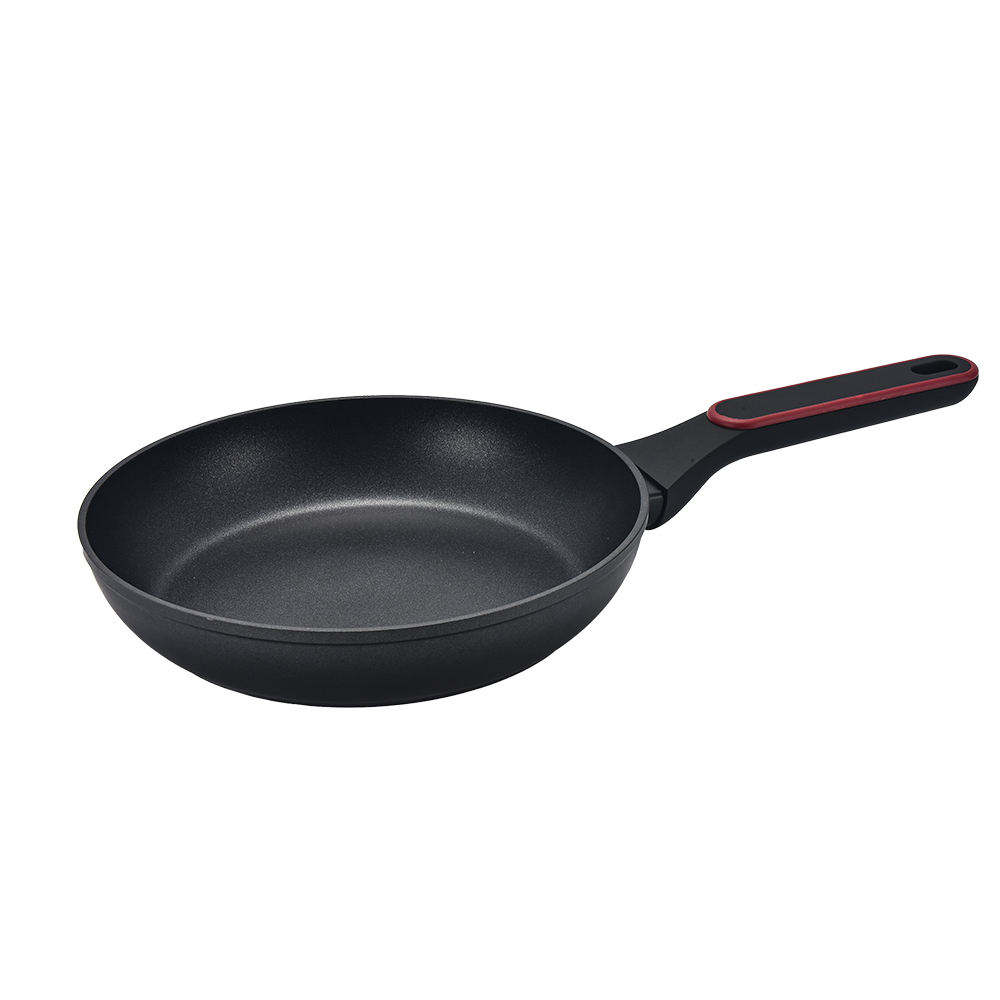
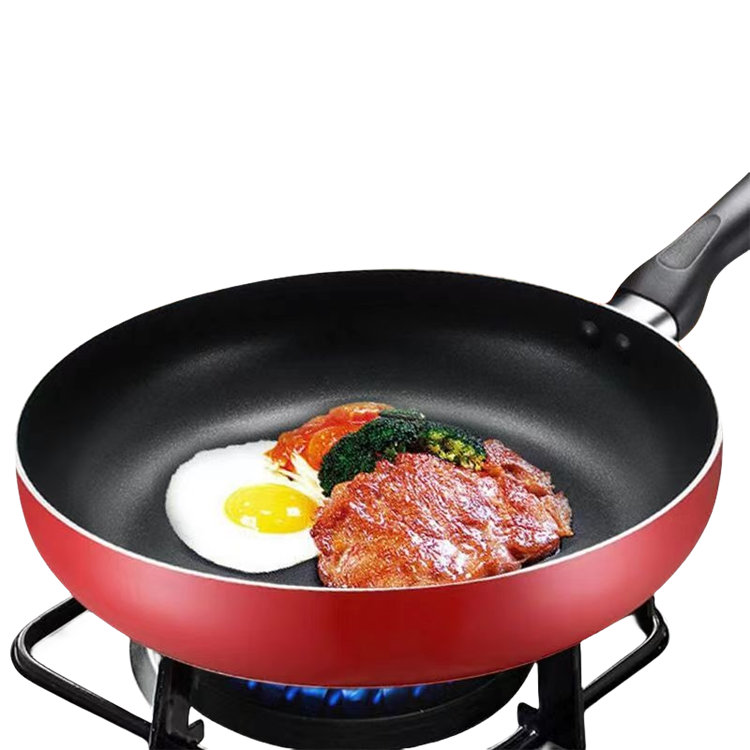
Pan searing delivers the richest color and the most pronounced exterior texture. A heavy-bottomed skillet — ideally cast iron or a stainless steel sauté pan from a quality set kitchen cookware set — is the right tool. Cast iron retains heat evenly, which prevents hotspots that can split the casing.
- Heat 1 tablespoon of oil in a skillet over medium to medium-low heat. Do not use high heat.
- Add boudin links. Do not pierce the casing — this releases precious moisture.
- Cook for 3–4 minutes per side, turning gently with tongs, until each side is deep golden brown. Total cooking time: 8–10 minutes.
- Add 2 tablespoons of water to the pan, cover with a lid, and let steam for 2 minutes to ensure the center heats through fully.
- Remove lid, cook 1 more minute to re-crisp the exterior, then rest and serve.
Grilling (Best for Smoky Flavor)
Grilling boudin adds a layer of smoke and char that deepens its Cajun character. The key is patient, indirect heat. Place boudin away from direct flame and let the ambient heat do the work. According to Southern Living's grilling guides, two-zone grilling at medium-low (around 300°F grate temperature) gives the best results for pre-cooked stuffed sausages.
- Set up a two-zone grill: high heat on one side, no heat on the other. For gas, turn one burner to medium-low, leave the other off.
- Brush grates lightly with oil. Place boudin on the cool zone.
- Cover and grill for 10–15 minutes, turning every 4–5 minutes.
- Move to the hot zone for the final 2 minutes to develop light grill marks and snap the casing.
- Confirm 145°F and serve immediately.
Sous Vide (Best for Precision Heating)
Sous vide is the most precise method and eliminates any risk of splitting the casing or drying the filling. It requires a sous vide circulator and a pot deep enough to maintain a water bath — a tall stockpot from a comprehensive set kitchen cookware package is ideal.
- Set the sous vide circulator to 145°F (63°C).
- Place boudin links in a vacuum-sealed or zip-lock bag (use the water displacement method to remove air).
- Submerge in the water bath and cook for 45 minutes to 1 hour.
- Remove from bag and optionally sear in a hot skillet for 60–90 seconds per side to develop color.
- Serve immediately.
Cooking Method Comparison at a Glance
| Method | Cook Time | Casing Texture | Filling Moisture | Equipment | Skill Level |
|---|---|---|---|---|---|
| Steaming | 10–15 min | Soft, intact | Excellent | Pot + steamer basket | Beginner |
| Oven Baking | 25–30 min | Crispy | Good | Baking sheet | Beginner |
| Pan Searing | 8–10 min | Golden, crispy | Good | Skillet | Intermediate |
| Grilling | 10–15 min | Snappy, charred | Good | Grill | Intermediate |
| Sous Vide | 45–60 min | Soft (or crispy if seared) | Excellent | Circulator + stockpot | Advanced |
Choosing the Right Cookware for Boudin — Why Your Set Kitchen Cookware Matters
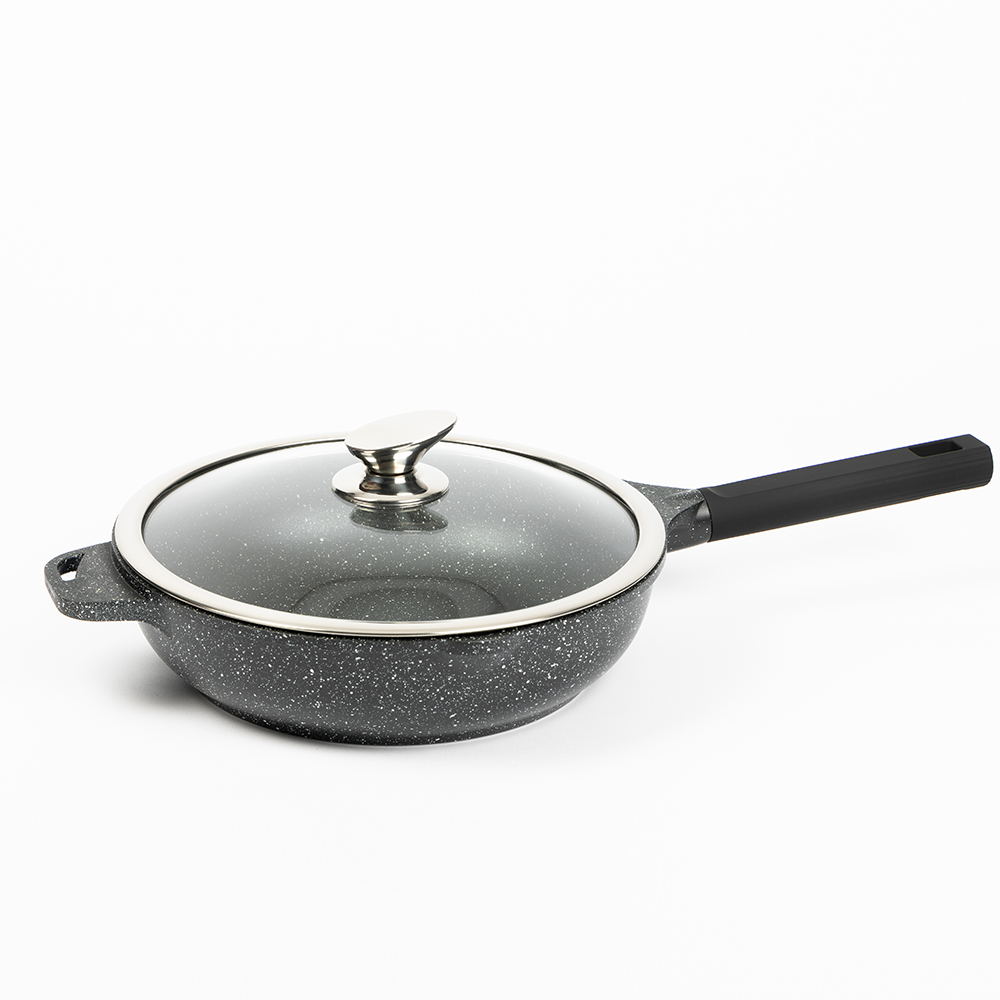
The equipment you cook with directly affects how boudin turns out. A thin, uneven pan causes hotspots that split casings. A pot without a fitting lid turns steaming into a slow, inefficient process. Investing in a well-matched set kitchen cookware collection means every piece works together and is sized appropriately for different cooking volumes.
Cast Iron Skillet
The gold standard for pan-searing boudin. Cast iron distributes heat evenly across its entire surface, eliminating the localized hotspots that split casings. A 10-inch or 12-inch cast iron skillet is sufficient for 4–6 links at once. Lodge Manufacturing, one of the largest cast iron producers in the U.S., reports that cast iron retains heat up to four times longer than aluminum at equivalent thickness — a meaningful advantage when you need steady, moderate heat throughout the cooking process.
Stainless Steel Sauté Pan with Lid
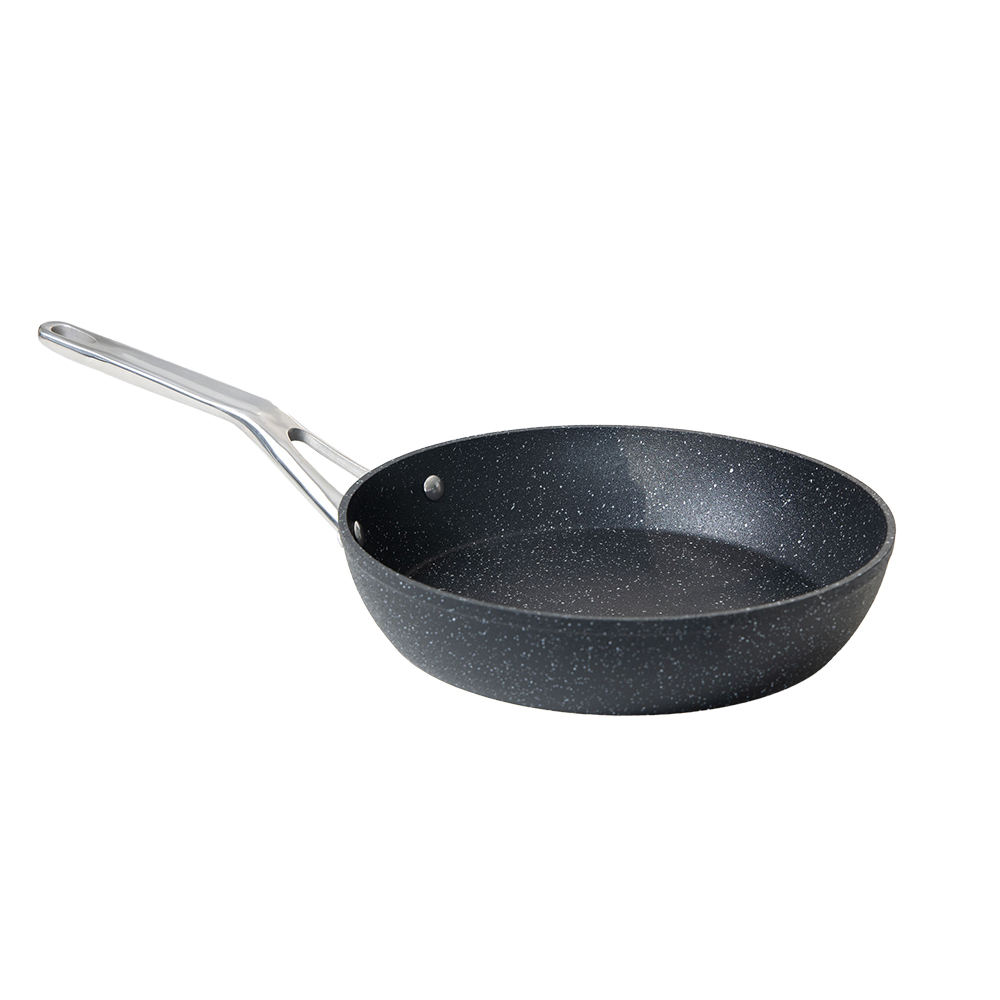
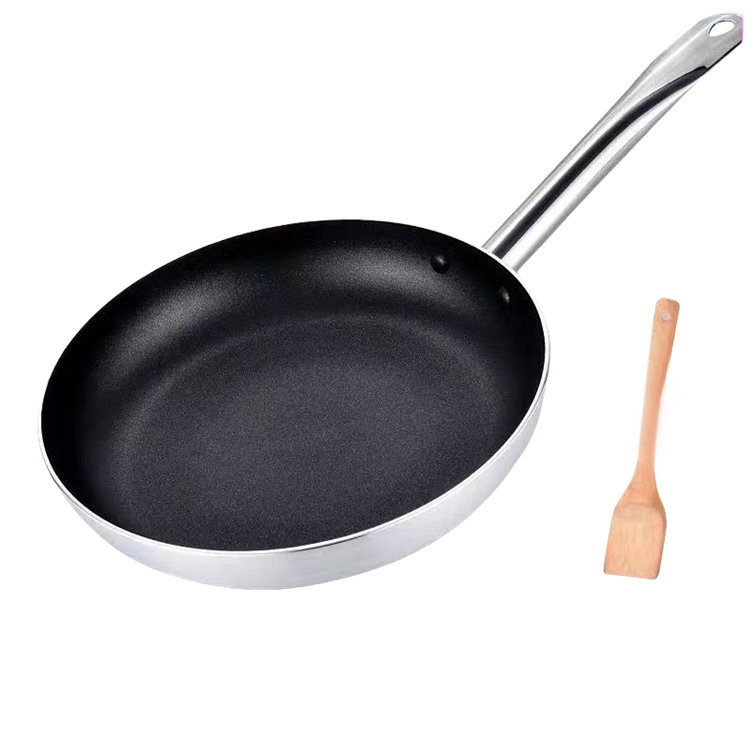
A 3-quart or 4-quart stainless steel sauté pan with a tight-fitting lid is incredibly versatile for boudin — you can sear in it, then add a splash of water, cover it, and steam-finish all in the same vessel. Multi-ply stainless pans with an aluminum or copper core heat more evenly than single-ply. A good set kitchen cookware set will include at least one of these, typically ranging from 2.5 quarts to 5 quarts.
Deep Saucepan or Stockpot with Steamer Insert
For steaming, you need a pot deep enough to hold at least 2 inches of water beneath the steamer basket while leaving room for links above. A 4-quart or 6-quart saucepan from a complete set kitchen cookware package typically fits this role. Some sets include a dedicated steamer insert — these are worth selecting for if boudin and dumplings are regular items in your kitchen rotation.
Heavy Rimmed Baking Sheet
For oven baking, a heavy-gauge aluminum or stainless steel half-sheet pan is the right tool. Thin, flimsy baking sheets warp under oven heat, creating uneven surfaces that cause uneven browning. A 18 x 13 inch half-sheet pan can hold 8–10 boudin links comfortably in a single layer. Many set kitchen cookware collections now include a half-sheet pan and a quarter-sheet pan as standard items.
What to Look for in a Set Kitchen Cookware Collection for Sausage Cooking
- Material: Tri-ply stainless steel or hard-anodized aluminum for stovetop pieces; heavy-gauge carbon steel or stainless for baking.
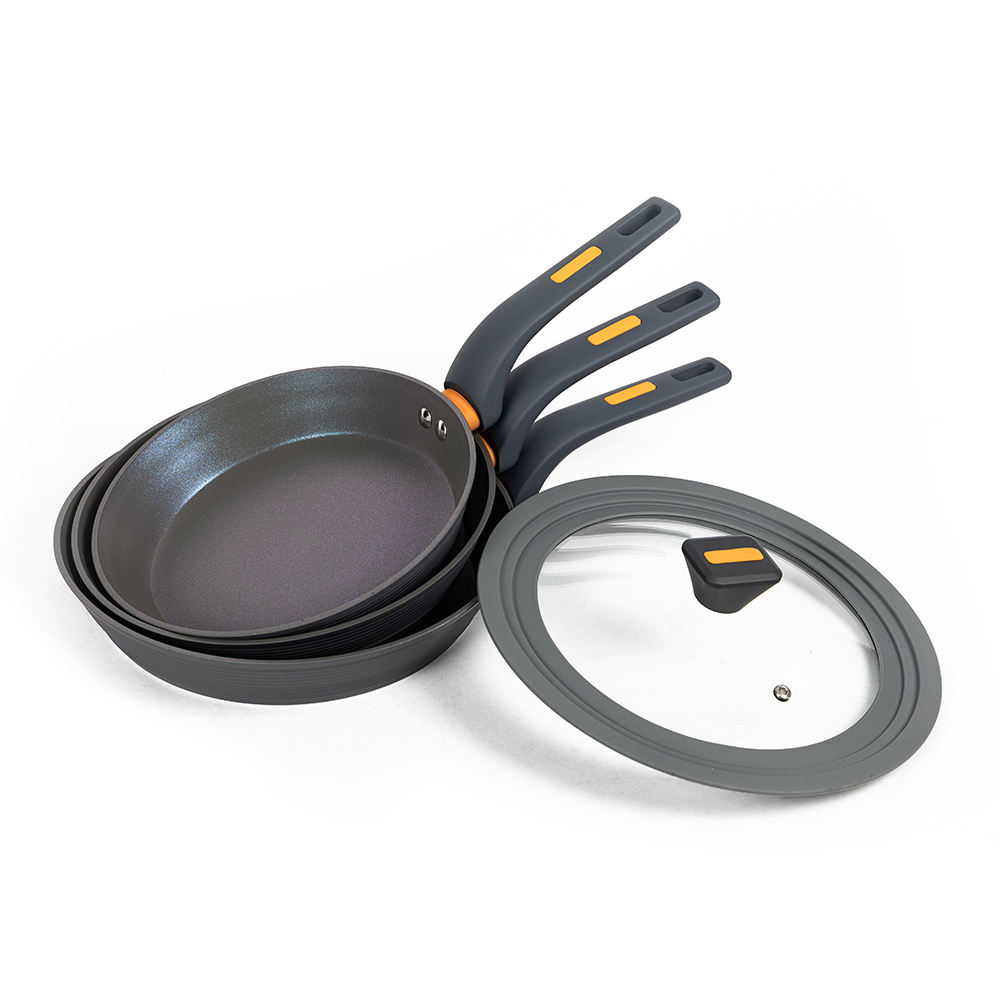
- Lid fit: Tight-fitting lids matter for steam-finishing. Glass lids let you monitor without lifting.
- Handle ergonomics: Long, stay-cool handles are critical when working over sustained medium heat.
- Oven compatibility: Pans that transition from stovetop to oven (oven-safe to at least 400°F) give you the sear-then-bake option without switching vessels.
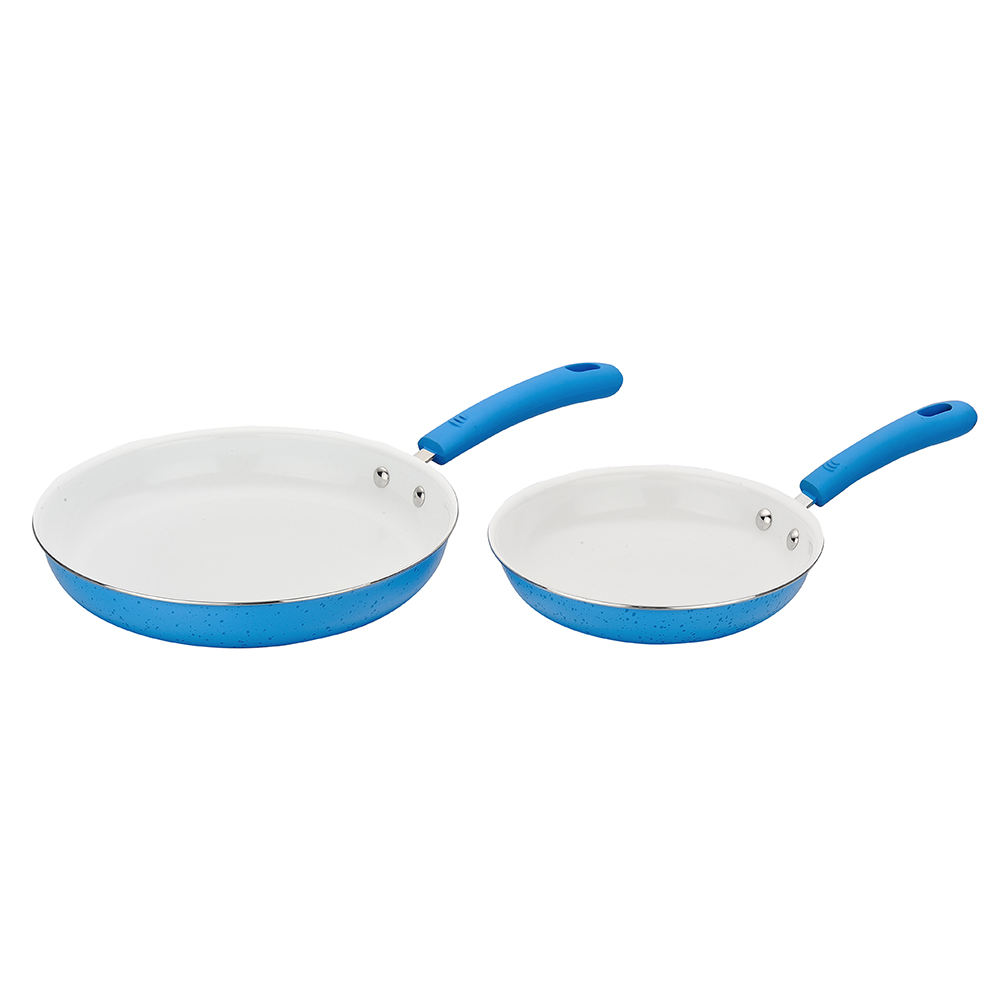
- Size range: A practical set kitchen cookware collection for boudin and everyday cooking should include an 8-inch skillet, a 10–12-inch skillet, a 2-quart saucepan, a 4–6-quart saucepan, and a 5–8-quart stockpot.
Common Mistakes When Cooking Boudin and How to Avoid Them
Cooking on High Heat
The most frequent mistake is impatience. High heat causes the water inside the filling to steam rapidly, building pressure that ruptures the casing. Medium to medium-low is always the right starting point for boudin, regardless of method. This applies equally to your skillet, grill grate, and oven.
Piercing the Casing
Some cooks pierce sausages before cooking to let fat escape. For boudin, this is exactly wrong. The moisture inside is what you want to keep — the rice filling dries out rapidly if the casing is broken. Never pierce boudin. If casing integrity is a concern, score it very lightly in one spot to act as a controlled release valve, but this is rarely necessary with the gentle-heat methods described above.
Boiling in Water
Dropping boudin into boiling or simmering water saturates the casing with water, making it rubbery and eventually causing it to split. The filling absorbs water through the permeable casing, diluting the seasoning. Steaming is categorically different — the boudin is surrounded by hot vapor but never immersed in liquid.
Skipping the Rest Period
Like any protein, boudin benefits from a 2-minute rest after cooking. During this time, internal juices redistribute and the filling settles. Cutting into a link immediately after cooking sends the hot steam escaping, and the filling can crumble unevenly.
Using a Thin or Warped Pan
A cheap, thin skillet from a bargain set creates hotspots across its cooking surface. The portion of the boudin sitting over a hotspot burns while the rest barely warms. A quality set kitchen cookware piece with a thick, encapsulated base eliminates this. If you feel the pan heating unevenly when you hold your hand above it, that pan is not suited for boudin.
Not Checking Internal Temperature
Visual cues alone (golden exterior, no visible splitting) do not confirm the center is fully heated. A budget instant-read thermometer eliminates all guesswork. The FDA food safety standard for cooked sausage products is 145°F, though since boudin is already fully cooked, this is primarily about eating quality rather than safety — a cold center simply tastes unpleasant.
How to Serve Boudin Sausage — Traditional and Creative Pairings
In Louisiana, boudin is most commonly eaten straight from the casing, squeezed directly into the mouth — the casing is typically not eaten. It is served with crackers, Creole mustard, and pickled okra or jalapeños as a snack or appetizer. But there are many other ways to enjoy it.
Classic Cajun Plate
Steamed or pan-seared boudin links served alongside dirty rice, braised collard greens or mustard greens, and a bottle of Crystal hot sauce on the table. This is the standard presentation at Cajun lunch counters across Acadiana.
Boudin Balls
Remove the filling from the casing, roll into balls, bread with seasoned panko, and deep-fry or air-fry at 375°F until golden — about 4–5 minutes in a fryer. Serve with remoulade sauce. This is arguably the most popular party presentation.
Boudin and Eggs Breakfast
Pan-sear boudin in a cast iron skillet, then scramble eggs in the same pan, picking up the rendered fat and flavored fond. Serve with biscuits or toast. A complete set kitchen cookware skillet with a pour spout makes this transition cleaner.
Boudin Stuffed Peppers
Squeeze boudin filling from the casing and use it as the stuffing for halved bell peppers. Add a layer of shredded pepper jack cheese on top, then bake at 375°F for 20 minutes. The filling holds together beautifully and requires no additional binding.
Boudin Po'Boy
Split a French bread roll and fill it with a seared boudin link, Creole mustard, shredded cabbage slaw, and sliced pickles. This is a South Louisiana gas station staple elevated to a satisfying meal.
Boudin on the Grill Party Platter
Grill multiple links over indirect heat while grilling shrimp and corn alongside them. Arrange on a large cutting board with multiple dipping sauces: Creole mustard, remoulade, and cane syrup mustard. The smoky, snappy boudin alongside charred corn and grilled shrimp is a classic Louisiana backyard feast.
Storing and Reheating Boudin Sausage Safely
Refrigerator Storage
Fresh, uncooked boudin should be refrigerated immediately and used within 3 to 5 days of purchase. Store in the original packaging or wrapped tightly in plastic wrap, then placed in an airtight container. Once cooked, leftovers should be refrigerated within 2 hours and consumed within 3–4 days.
Freezer Storage
Fresh boudin can be frozen for up to 2–3 months without significant quality loss. Wrap each link individually in plastic wrap, then place in a freezer zip bag with air pressed out. Label with the date. Thaw overnight in the refrigerator — never on the counter — before cooking.
Reheating Cooked Boudin
The best way to reheat already-cooked boudin without drying it out is to return it to the steamer for 5–8 minutes, or to wrap it loosely in a damp paper towel and microwave on 50% power in 60-second intervals, checking after each interval. Avoid reheating in a dry skillet without water — this will crisp the exterior while leaving the center cold.
Regional and Modern Variations of Boudin Worth Knowing
Boudin is not a monolithic product. Across Louisiana and the broader South, regional producers and modern chefs have created dozens of variations, each requiring slightly different handling in the kitchen.
| Variation | Key Ingredients | Best Cooking Method | Notes |
|---|---|---|---|
| Boudin Blanc (White) | Pork, pork liver, rice, onion | Steaming or pan searing | Most common type; classic Louisiana standard |
| Boudin Rouge (Red) | Pork, pork blood, rice, spices | Gentle steaming only | Rare; blood makes filling more fragile |
| Seafood Boudin | Shrimp, crab, crawfish, rice | Steaming, gentle oven baking | More delicate; reduce cook time by 20% |
| Smoked Boudin | Standard boudin + hickory smoke | Oven or pan searing | Casing is sturdier; handles higher heat |
| Chicken and Apple Boudin | Ground chicken, diced apple, rice, sage | Oven baking or pan searing | Modern variation; lower fat content |
Frequently Asked Questions About Cooking Boudin Sausage
Do you eat the casing on boudin?
In Louisiana tradition, the casing is typically not eaten. Most people bite the end off a link and squeeze the filling directly into their mouth or onto crackers. That said, when the casing is crisped in a pan or oven, it becomes thin and edible — many people do eat it at that point. It is purely a matter of preference.
Can you cook boudin from frozen?
You can, but the results are better when you thaw first. Cooking from frozen significantly extends the time needed for the center to reach temperature. If you must cook from frozen, add an extra 10–15 minutes to oven or steam times, and verify with a thermometer. Pan searing from frozen is not recommended — the exterior will overcook before the interior warms.
What temperature should boudin reach inside?
145°F (63°C) is the target. Since the filling is already cooked, this is entirely about eating quality — a hot, fully warmed interior where the fat has rendered and the rice is soft and cohesive. Below 140°F, the filling tastes cold and dense. Above 160°F, the rice can become mushy and the casing may split.
Why did my boudin split while cooking?
Splitting almost always comes down to three causes: heat too high, temperature changed too rapidly (e.g., cold boudin straight from the fridge into a hot pan), or the casing was pierced before cooking. Allow boudin to sit at room temperature for 10–15 minutes before cooking. Use medium-low heat. Never pierce the casing.
Can I cook boudin in an air fryer?
Yes. Air frying works well and produces a crispy casing similar to oven baking but faster. Set the air fryer to 300°F–320°F, cook for 12–15 minutes, flipping once at the halfway point. Do not exceed 325°F or the casing will split before the interior is heated through. Many air fryer inserts can be purchased separately to complement a set kitchen cookware collection.
Is boudin the same as andouille sausage?
No. Andouille is a smoked, fully cured pork sausage with a firm, meaty texture throughout. It is used primarily as a flavoring ingredient in dishes like gumbo and jambalaya. Boudin is a soft, rice-and-pork filled sausage eaten on its own as a main item or snack. Both are Louisiana staples, but they behave very differently in the kitchen.
What type of pan is best for cooking boudin on the stovetop?
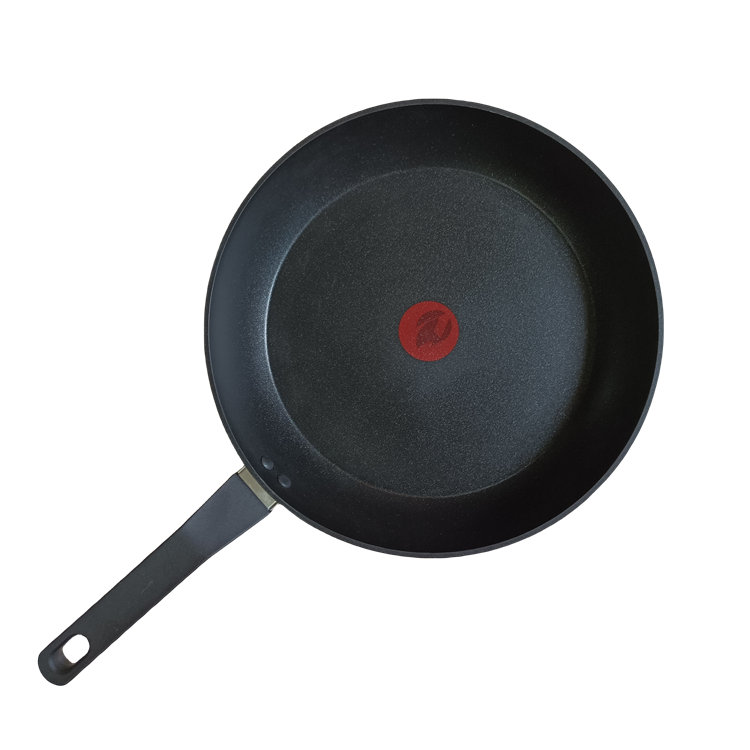
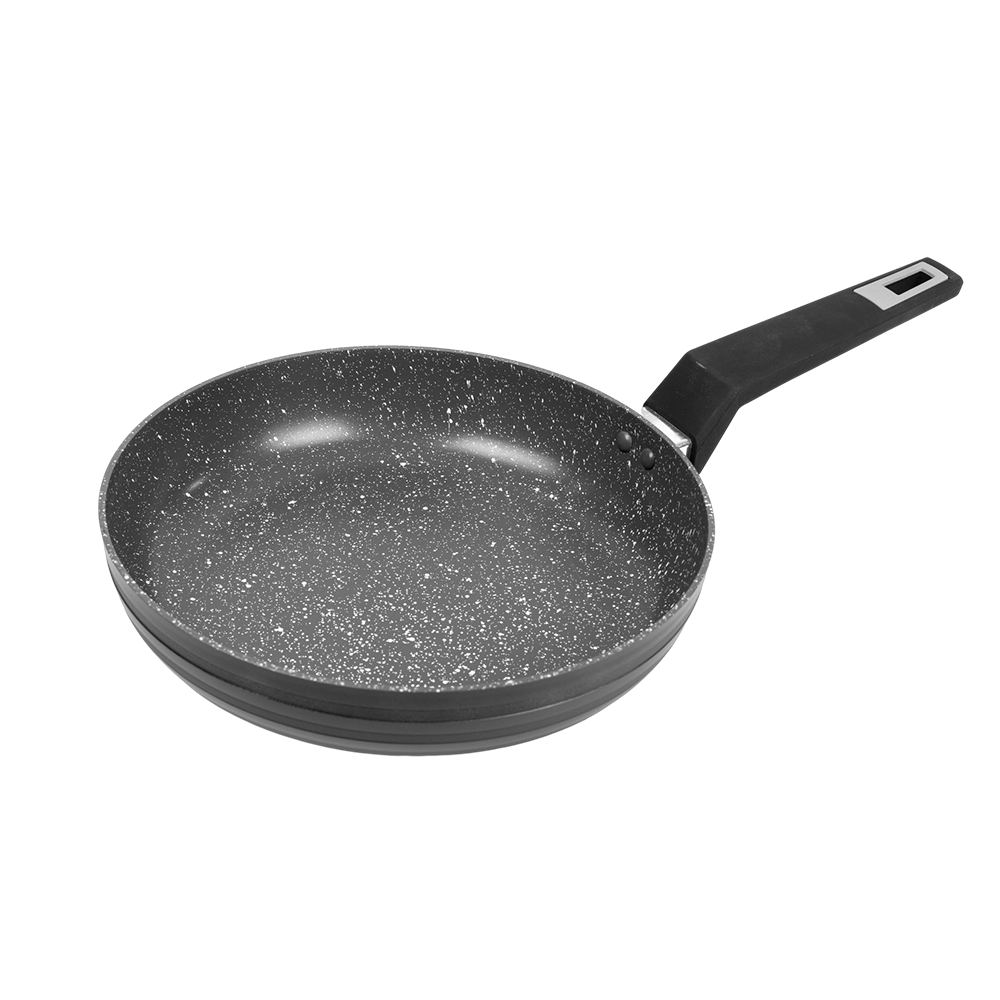
A cast iron skillet or a multi-ply stainless steel skillet from a quality set kitchen cookware collection gives the most even heat. Avoid non-stick pans for boudin if you want any browning — the surface temperature needed for caramelization is near the upper limit for most non-stick coatings, and the results are less consistent.
How do I make boudin at home?
Homemade boudin requires braising pork shoulder and liver until very tender, cooking long-grain rice separately, then grinding the pork and liver together with the cooked rice, sautéed onion, celery, green onion, garlic, and Cajun spices. The mixture is then loaded into soaked natural hog casings using a sausage stuffer or a stand mixer attachment. The links are then poached very briefly — just 2–3 minutes in barely simmering water — to set the casing, then refrigerated or frozen for later cooking. A heavy stockpot and a reliable skillet for sautéing aromatics from your set kitchen cookware collection are the two most important tools.
How long does boudin keep after cooking?
Cooked boudin stored in an airtight container in the refrigerator is best consumed within 3 to 4 days. For longer storage, freeze cooked boudin for up to 2 months and reheat by steaming or microwave on reduced power.
What should I serve with boudin?
Classic pairings include Creole mustard, crackers (especially saltines or Zapp's potato chips), pickled jalapeños, hot sauce, and dirty rice. For a full meal, boudin pairs well with red beans, collard greens, corn on the cob, potato salad, and French bread. Boudin balls served alongside a cold beer is the canonical Louisiana party setup.