English
 中文简体
中文简体
 日本語
日本語
 Español
Content
- 1 The Quickest Answer: How to Get the Skin Off Salmon
- 2 Why People Remove Salmon Skin — and When You Actually Don't Need To
- 3 The Knife Method: Removing Raw Salmon Skin Step by Step
- 4 The Hot Water Method: Using Boiling Water to Loosen the Skin
- 5 Cooking Methods That Make Salmon Skin Remove Itself
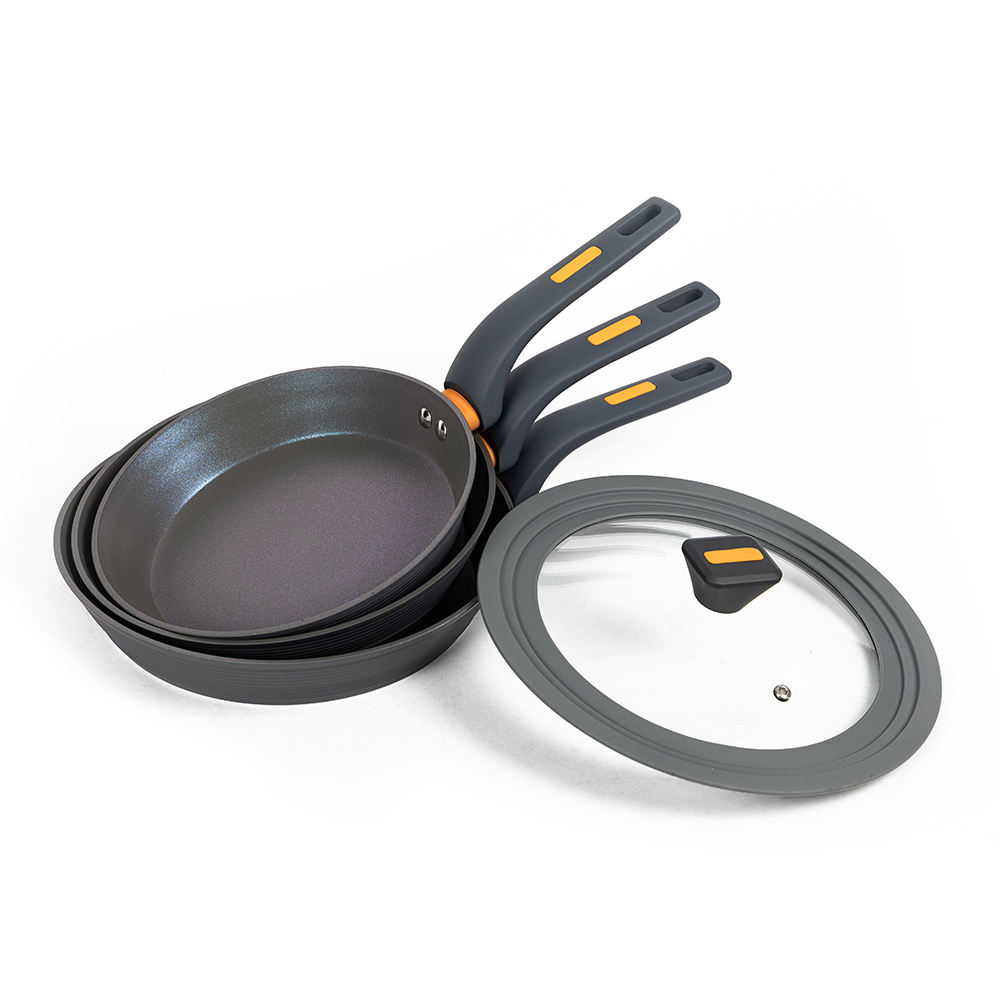
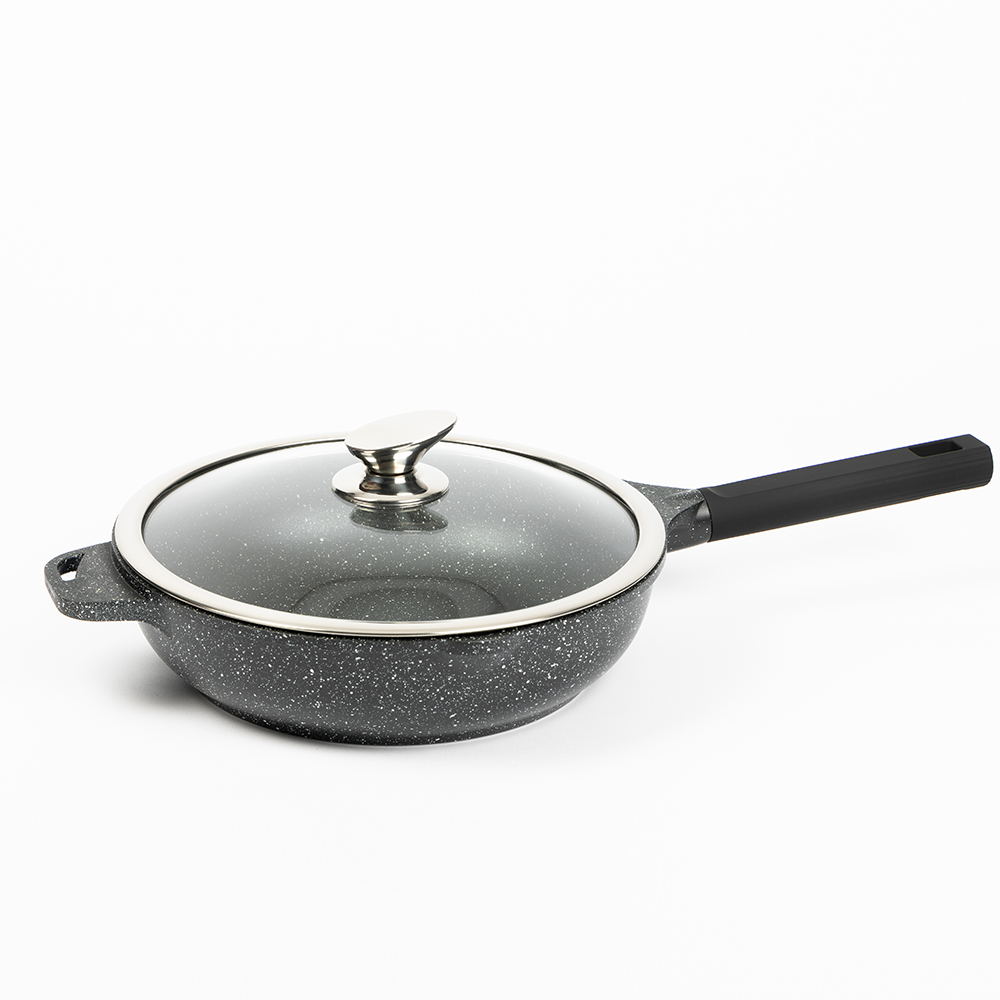
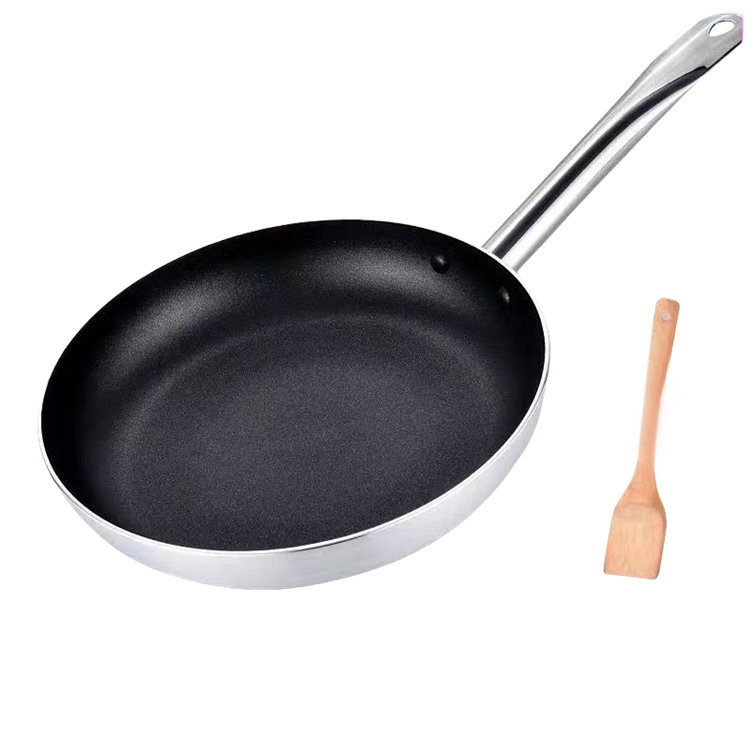
- 6 Choosing the Right Pots and Pans for Salmon Preparation
- 7 Common Mistakes When Removing Salmon Skin
- 8 Removing Skin From Different Salmon Cuts
- 9 What to Do With Salmon Skin After You Remove It
- 10 Tips for Buying Salmon That's Easier to Skin
- 11 Frequently Asked Questions About Removing Salmon Skin
The Quickest Answer: How to Get the Skin Off Salmon
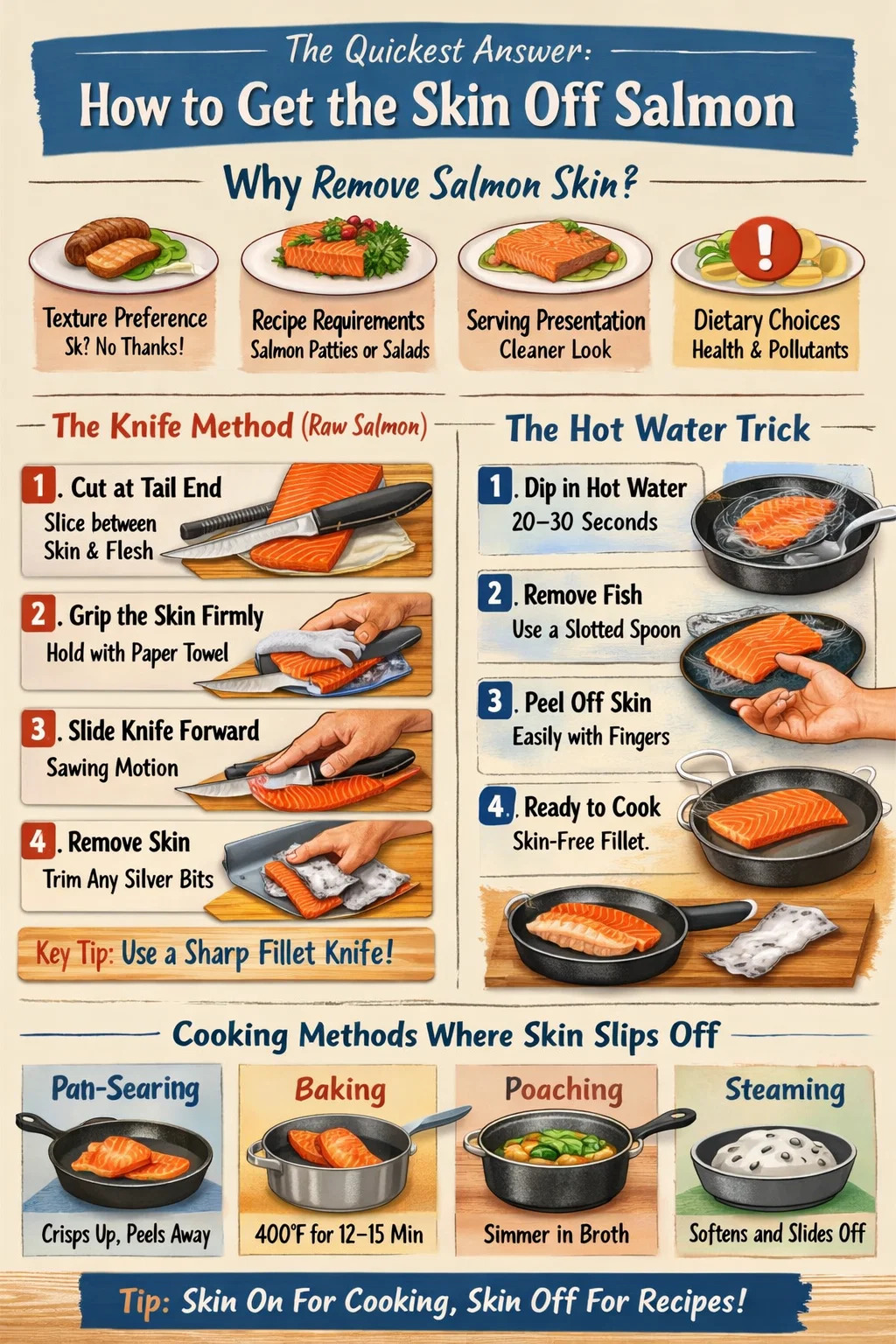
The most reliable way to get the skin off salmon is to use a sharp fillet knife and a cutting board. Place the salmon skin-side down, insert the blade between the flesh and skin at the tail end, and use a gentle back-and-forth sawing motion while pulling the skin taut. In under 60 seconds, you can cleanly separate the skin from a full fillet. That said, depending on whether the fish is raw or cooked, and what pots and pans you have available, several other methods work just as well — sometimes better.
This guide covers every practical approach, including knife technique, boiling water tricks, cooking methods that make the skin slip right off, and how the right pots and pans can eliminate the need to skin salmon at all before cooking.
Why People Remove Salmon Skin — and When You Actually Don't Need To
Salmon skin is edible, and many chefs argue it's the best part when crisped correctly in a hot pan. So why do so many home cooks want it removed? A few common reasons:
- Texture preference — rubbery or soft skin is unpleasant for many people
- Recipe requirements — certain dishes like salmon patties, pasta sauces, or salmon salads require skinless fish
- Serving presentation — skin-off fillets look cleaner on a plate
- Marinating — skinless salmon absorbs seasoning more evenly on all sides
- Dietary choices — some people avoid fish skin due to concerns about pollutants or fat content
On the other hand, if you're pan-searing or baking, keeping the skin on during cooking and removing it afterward is actually easier and produces better results. Skin acts as a natural barrier that prevents overcooking on the bottom and keeps the flesh moist. Once cooked, the skin peels away effortlessly — no knife needed.
Knowing when to skin before cooking versus after cooking is half the battle. The method you choose should depend on your recipe and your available tools — including your pots and pans.
The Knife Method: Removing Raw Salmon Skin Step by Step
This is the standard technique used in most home kitchens and professional settings. It works on any salmon fillet, regardless of size.
What You Need
- A sharp fillet knife or a long, flexible boning knife
- A large, stable cutting board
- Paper towels (for grip)
Step-by-Step Instructions
- Pat the salmon dry. Use paper towels to remove excess moisture. This improves grip on both the fish and the knife.
- Position the fillet skin-side down. The tail end should be closest to your non-dominant hand.
- Make the initial cut at the tail. At the narrowest end of the fillet, insert the blade between the skin and flesh at a slight downward angle, cutting just enough to create a flap of skin to grip.
- Grip the skin flap. Use a paper towel to hold the skin firmly with your non-dominant hand. This prevents slipping.
- Slide the knife forward. With the blade nearly parallel to the cutting board and angled slightly downward toward the skin, use a slow back-and-forth motion while pulling the skin toward you. Let the knife do the work — don't force it.
- Check and trim. Once the skin is off, check for any remaining patches or silver membrane and trim them away.
Key tip: A dull knife is the number-one cause of torn fillets. If your knife drags instead of glides, it needs sharpening. A properly sharpened fillet knife should require almost no downward pressure.
For a whole side of salmon — which can weigh anywhere from 2 to 5 pounds — this method typically takes 2 to 3 minutes. For individual portions around 6 ounces each, you can do it in under 30 seconds per piece once you get the feel for it.
The Hot Water Method: Using Boiling Water to Loosen the Skin
This method is particularly useful when you don't have a sharp knife or when you're working with a large piece of salmon that's awkward to handle on a cutting board. It requires a pot or a deep pan — one of the most common uses of pots and pans in salmon preparation beyond actual cooking.
How It Works
Heat causes the proteins in the skin to contract and partially separate from the flesh. A brief exposure to hot water — not full cooking — is enough to loosen the bond without significantly cooking the fish.
- Bring a large pot of water to just below boiling — around 180°F to 190°F (82°C to 88°C).
- Lower the salmon fillet into the water, skin-side down, for 20 to 30 seconds only.
- Remove the fillet immediately using a spatula or slotted spoon.
- Place skin-side down on a cutting board. The skin should peel away easily with your fingers or a paring knife.
This works best on fresh salmon with intact skin. Avoid leaving the fish in the water too long — beyond 45 seconds, you'll start to cook the outer layer of flesh, which can make it mushy.
This technique is commonly used in commercial kitchens when preparing large quantities of salmon quickly. The same wide, heavy-bottomed pot you'd use for pasta or stock is perfectly suited for this — so if you own quality pots and pans, this is a technique worth adding to your toolkit.
Cooking Methods That Make Salmon Skin Remove Itself
Sometimes the easiest way to remove salmon skin is to cook the fish first. Certain cooking techniques cause the skin to detach so cleanly that it practically falls off the fillet with zero effort.
Pan-Searing in a Skillet
Place salmon skin-side down in a hot skillet — stainless steel or cast iron works best here among your pots and pans options. Use medium-high heat with a small amount of oil. Press the fillet gently for the first 30 seconds to ensure full contact. Cook skin-side down for 4 to 6 minutes without flipping. By the time the flesh is cooked about 75% through, the skin will have crisped and fully separated from the flesh. Slide a spatula between the skin and flesh — they'll separate instantly.
If you want crispy skin to eat, this is your method. If you want the skin removed and discarded, simply leave it in the pan when you plate the fish. Either way, you don't have to touch a knife before cooking.
Baking in the Oven
Bake salmon skin-side down on a lined sheet pan at 400°F (200°C) for 12 to 15 minutes. When it's done, slide a spatula under the flesh — the skin stays on the pan. This is arguably the lowest-effort method for skin removal in existence. The skin bonds to the parchment paper or foil during baking, and the flesh simply lifts away. No knife, no technique, no mess.
Poaching in a Pan
Poaching involves cooking salmon gently in liquid — water, broth, white wine, or a combination — at a temperature of around 160°F to 180°F (71°C to 82°C). Use a wide, shallow pan or a deep skillet from your pots and pans collection. After poaching for 8 to 10 minutes, lift the fillet out carefully. The skin will slide off with a light tug. Poached salmon is also incredibly moist and flavorful, making this method popular for salads, sandwiches, and cold presentations.
Steaming
Steam salmon over a pot of boiling water using a steamer basket or insert for 8 to 12 minutes depending on thickness. After steaming, the skin is soft and separates easily. This is a common technique in Asian cooking and works well when preparing salmon for rice bowls, dumplings, or congee.
Choosing the Right Pots and Pans for Salmon Preparation
The type of pots and pans you use affects not just cooking results, but also how easy it is to handle the skin. Here's a practical breakdown:
| Pan Type | Best Method | Skin Result | Notes |
|---|---|---|---|
| Cast Iron Skillet | Pan-searing | Crispy, easy to remove after cooking | Retains heat well; ideal for skin-on cooking |
| Stainless Steel Pan | Pan-searing | Crispy; skin releases cleanly when ready | Don't move fish too early or skin will stick |
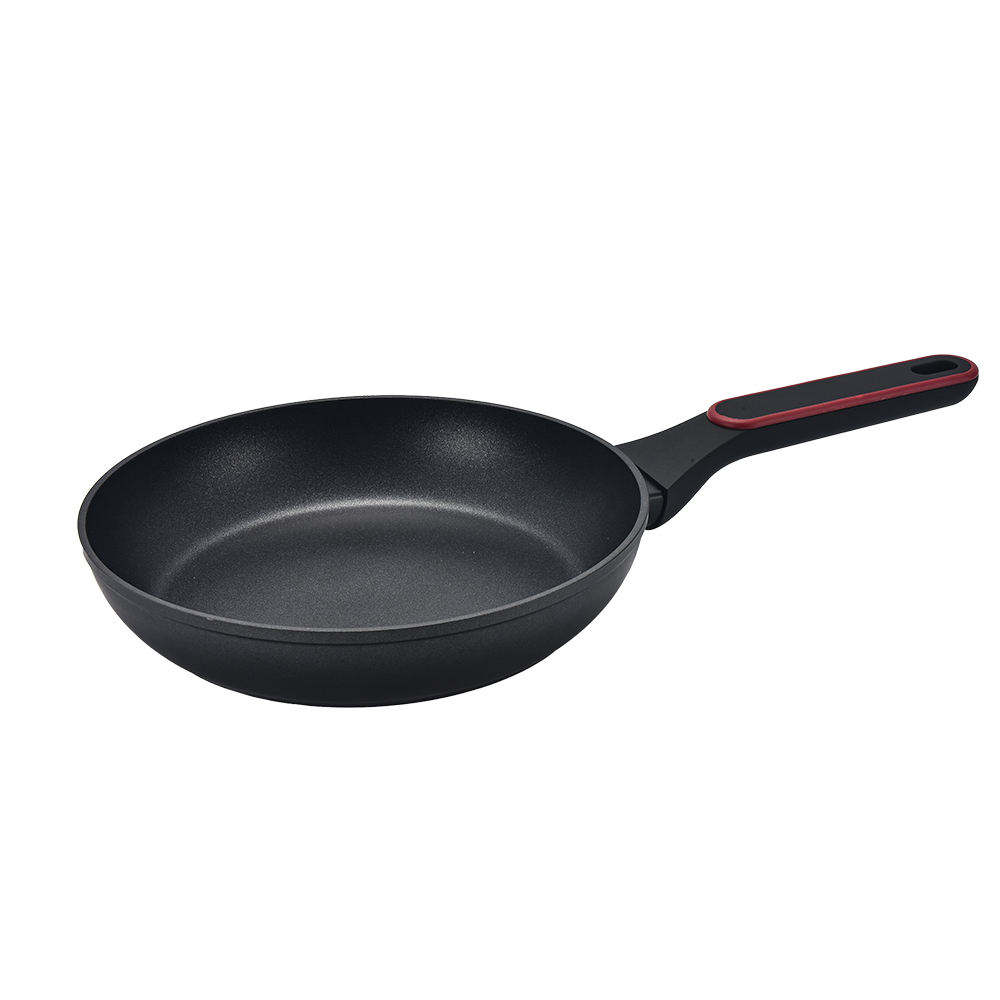
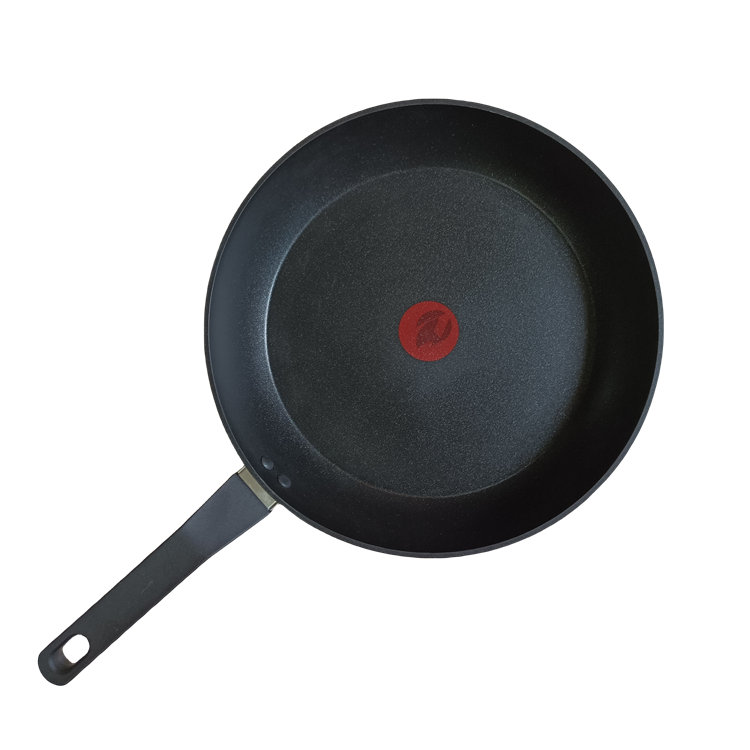
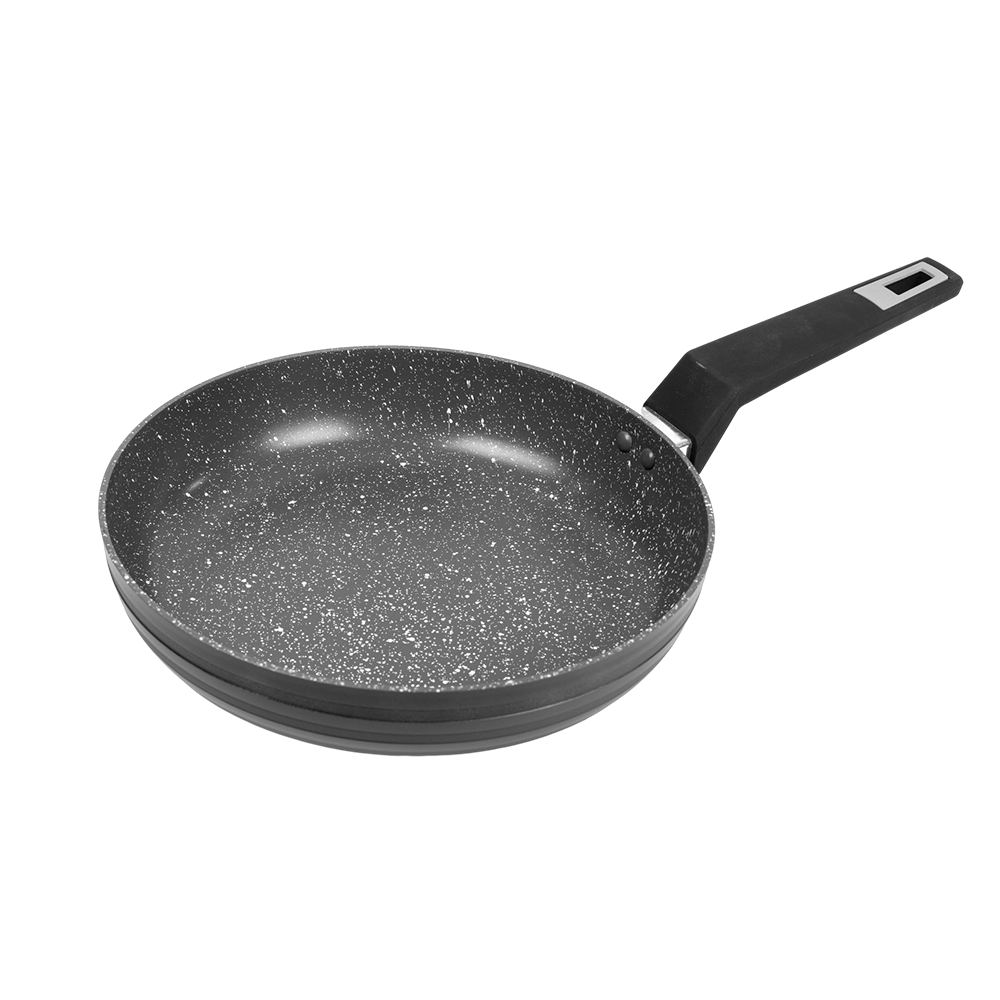
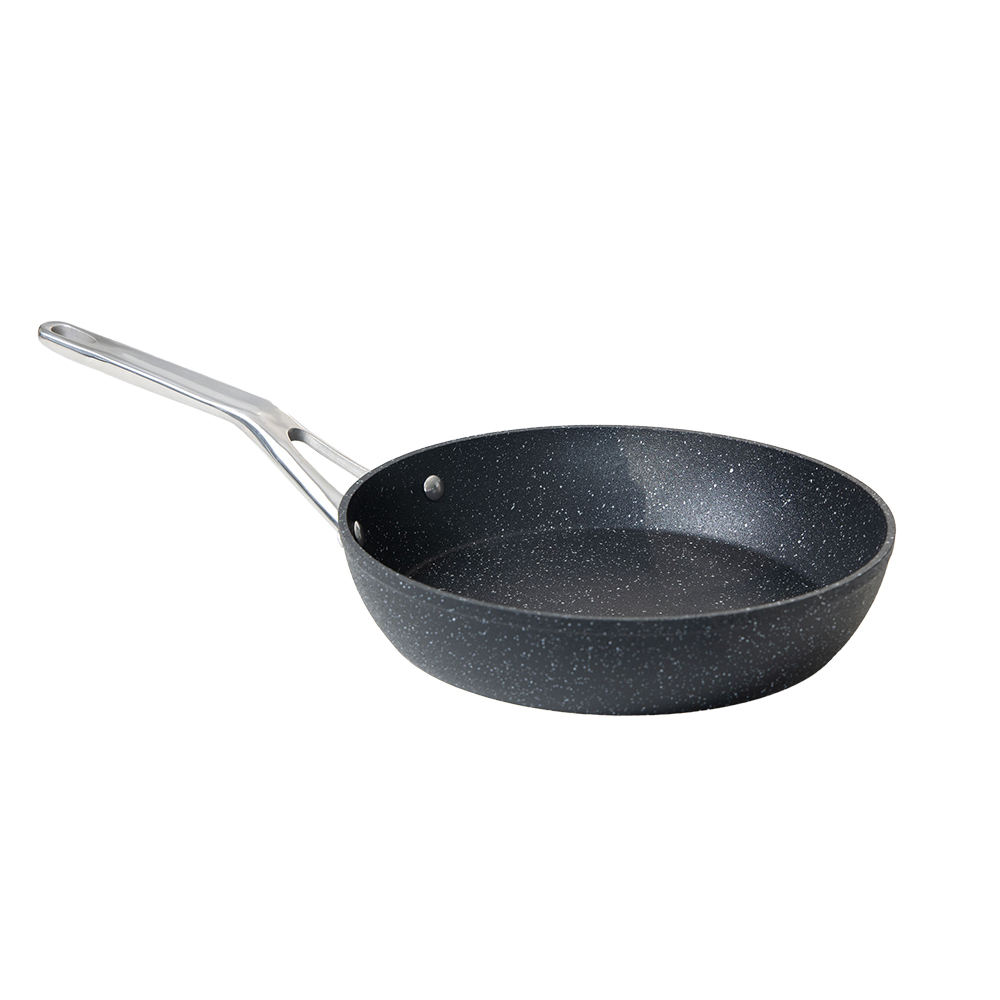
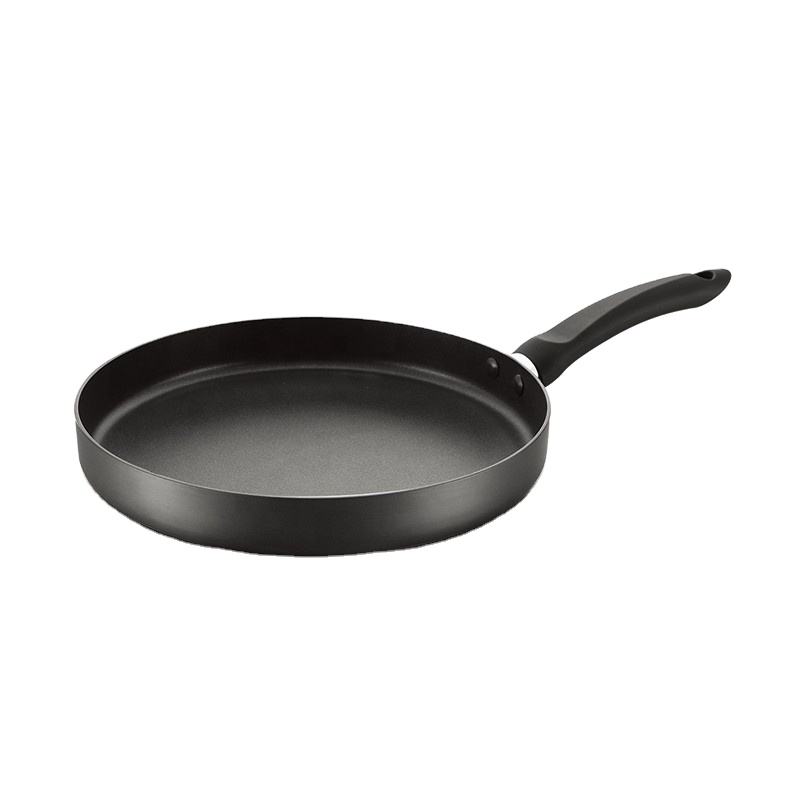
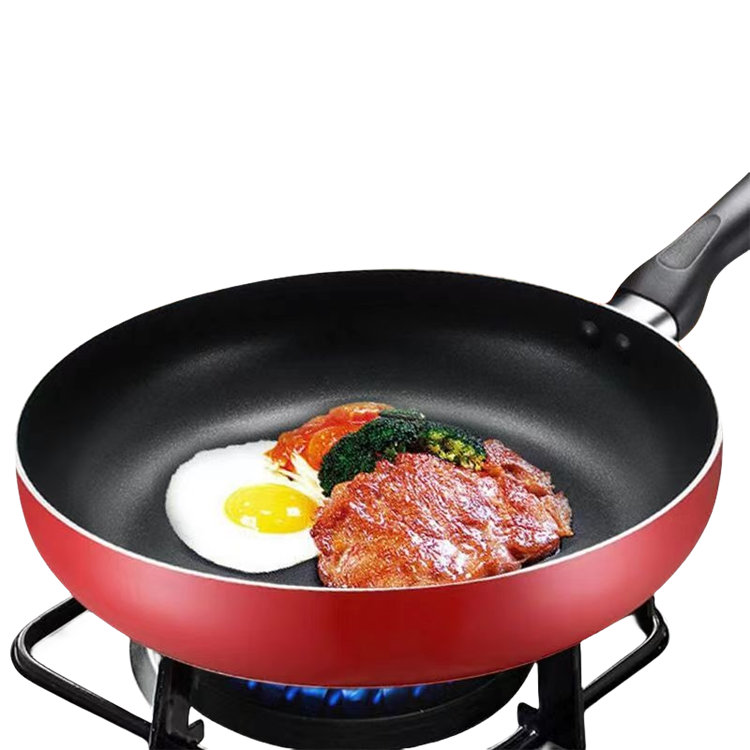
| Nonstick Skillet | Pan-searing (gentle) | Soft skin; less crispy | Easy release; good for beginners |
| Wide Shallow Saucepan | Poaching | Soft skin, peels off easily | Use enough liquid to submerge fillet halfway |
| Large Stock Pot | Hot water loosening method | Loosened but uncooked | Best for large fillets or whole sides |
| Steamer Insert / Pot | Steaming | Soft, slides off | Gentle method; preserves delicate texture |
If you cook salmon regularly, a good stainless steel skillet or cast iron pan is worth investing in. These pots and pans give you high enough heat to properly crisp the skin, which is one of the most foolproof ways to make skin removal easy without requiring any pre-cooking knife work.
Common Mistakes When Removing Salmon Skin
Even experienced cooks make a few repeatable errors when skinning salmon. Knowing what to avoid saves wasted fish and frustration.
Using a Dull Knife
A dull blade drags, tears the flesh, and leaves chunks of fish on the skin. This is the most common cause of failed skinning attempts. Sharpen your knife before starting — it takes less than 2 minutes with a honing rod and makes an enormous difference.
Skinning Frozen or Partially Thawed Fish
Frozen or partially thawed salmon is stiff and difficult to work with. The skin tears unevenly, and you risk cutting yourself because the fish doesn't hold steady. Always thaw salmon fully in the refrigerator before attempting to skin it. A 6-ounce fillet takes about 12 hours to thaw fully in the fridge.
Holding the Knife at the Wrong Angle
Holding the knife blade too upright (rather than nearly parallel to the board) causes it to cut into the flesh rather than slide between the skin and flesh. The blade should be angled at roughly 10 to 15 degrees from horizontal — almost flat against the cutting board surface.
Not Gripping the Skin Firmly Enough
Skin is slippery. Without a firm grip, you won't be able to pull it taut while your knife moves forward, resulting in an uneven cut. Use a dry paper towel or even a clean kitchen towel to get proper traction.
Leaving the Pin Bones In
This isn't directly about skinning, but it's commonly overlooked at this stage. Before or after removing the skin, run your fingers along the center line of the fillet to feel for pin bones. Use fish tweezers or needle-nose pliers to pull them out. There are typically 17 to 21 pin bones in a standard salmon fillet, running along the lateral line.
Removing Skin From Different Salmon Cuts
Not all salmon cuts behave the same way when you're removing the skin. The approach varies depending on what you're working with.
Fillet (Most Common)
A standard salmon fillet is the most straightforward to skin. The wide, flat surface gives your knife plenty of room to work, and the skin is typically uniform in thickness. The knife method described above works perfectly here.
Salmon Steaks
Salmon steaks are cross-sections of the fish, so the skin wraps around the edges in a circular or oval shape. To remove it, use kitchen scissors or a small paring knife to cut through the skin at the seam, then peel it away in sections. It won't come off in one clean piece like a fillet, and that's normal.
Whole Side of Salmon
A whole side — common when buying from warehouse stores or for large gatherings — can be 24 to 30 inches long and weigh 3 to 5 pounds. For this, use a long slicing knife rather than a short fillet knife, and work in sections if needed. The hot water pot method described earlier is especially helpful at this scale, since it loosens the skin along the entire length at once.
Salmon Belly
The belly is the fattiest part of the salmon and has thinner skin that's easier to remove. It's also more delicate, so use less pressure and a very sharp, thin blade. Many chefs prefer to cook belly strips skin-on in a very hot pan, then peel the skin off after — it requires almost no effort once crisped.
What to Do With Salmon Skin After You Remove It
Don't throw it away without thinking twice. Salmon skin has several uses that home cooks often overlook.
- Crispy salmon skin chips: Pat the skin dry, season with salt, lay it flat in a hot oiled skillet from your pots and pans collection, and press it down with a spatula. Cook for 2 to 3 minutes per side until completely crisp. Serve as a snack or garnish.
- Fish stock: Add the skins to a pot with water, aromatics, and other fish scraps to make a flavorful seafood stock. Simmer for 30 to 40 minutes — don't go longer or it turns bitter.
- Dog treats: Many dogs love cooked salmon skin. Bake them in the oven at 350°F (175°C) for 20 minutes until crunchy. No salt or seasoning — just plain skin.
- Sushi rolls: In Japanese cuisine, crispy salmon skin is a classic sushi filling — commonly used in the salmon skin roll, where the skin is paired with cucumber, avocado, and sesame.
Salmon skin contains a significant amount of omega-3 fatty acids — roughly the same concentration as the flesh itself — along with collagen and vitamin D. Using it rather than discarding it is both nutritionally and economically sensible.
Tips for Buying Salmon That's Easier to Skin
How you buy your salmon affects how easy it is to skin later. A few practical buying tips:
- Ask the fishmonger to skin it for you. Most fish counters will do this at no charge with any purchase. A professional with the right tools does it in seconds. There's no reason to struggle at home if you can avoid it entirely.
- Buy fresh, not previously frozen. Fresh salmon skin is firmer and peels more cleanly than skin from fish that's been frozen and thawed multiple times. Repeated freezing weakens the connective tissue holding the skin to the flesh.
- Look for intact skin. Skin that's been scraped, nicked, or has obvious tears is harder to remove in one piece. A smooth, intact skin surface makes the knife method much easier.
- Choose thicker fillets. Thin fillets — particularly from the tail end — are harder to skin without tearing. The belly near the thicker midsection gives your knife more room to work cleanly.
- Farm-raised vs. wild-caught: Wild-caught salmon tends to have slightly thicker, tougher skin than farmed varieties like Atlantic salmon. Both can be skinned easily with the right technique, but farmed salmon skin is generally softer and requires less effort.
Frequently Asked Questions About Removing Salmon Skin
Can you remove salmon skin without a knife?
Yes. The hot water loosening method, baking, poaching, and steaming all allow you to remove the skin with your fingers or a spatula — no knife required. If you're cooking the fish anyway, cooking it skin-on and removing the skin afterward is often the simplest approach.
Is it easier to remove salmon skin before or after cooking?
For most cooking methods, removing the skin after cooking is easier. Heat breaks down the connective tissue between skin and flesh, making separation effortless. The exception is when you need the fish skinless for a recipe before cooking — such as for salmon burgers, sushi-grade preparations, or marinades where full surface contact is important.
Why does salmon skin stick to my pan?
Salmon skin sticks to pots and pans when the pan isn't hot enough before the fish is added, or when the fish is moved before the skin has had time to release naturally. In a properly preheated stainless steel or cast iron pan, the skin will release on its own after 3 to 4 minutes of undisturbed contact. If you try to move it too early, it tears. The rule: if it resists, it's not ready. Wait 30 more seconds and try again.
Can I eat salmon skin?
Yes, salmon skin is completely edible and nutritious. When cooked until crispy, it has a texture similar to a thin chip or crackling. The main consideration is sourcing — wild-caught salmon from clean waters is generally preferred over farmed salmon from waters that may contain higher concentrations of pollutants, as some of these accumulate in the fatty skin tissue.
What's the best pan for cooking salmon skin-on?
Among all pots and pans options, a well-seasoned cast iron skillet or a heavy stainless steel pan gives the best results for skin-on salmon. These materials hold heat consistently and reach the temperatures needed to properly crisp the skin. Nonstick pans work but don't get hot enough for truly crispy skin — they tend to produce softer, less textured results.