English
 中文简体
中文简体
 日本語
日本語
 Español
Content
- 1 How Long to Cook Spaghetti: The Direct Answer
- 2 Cooking Times by Spaghetti Type
- 3 Why the Pot and Water Setup Matter More Than Most People Think
- 4 The Role of Non-Stick Cookware When Finishing Spaghetti in a Sauce
- 5 Step-by-Step: Cooking Spaghetti Correctly from Start to Finish
- 6 Common Spaghetti Cooking Mistakes and How to Fix Them
- 7 Altitude, Stove Type, and Other Factors That Shift Cooking Time
- 8 Choosing the Right Non-Stick Cookware for Everyday Pasta Cooking
- 9 How to Tell When Spaghetti Is Done Without a Timer
- 10 Frequently Asked Questions
- 10.1 Does spaghetti keep cooking after you drain it?
- 10.2 Can you cook spaghetti in a non-stick pot?
- 10.3 How do you reheat leftover spaghetti without it drying out?
- 10.4 What is the difference between spaghetti and spaghettini cooking time?
- 10.5 Should you cover the pot while cooking spaghetti?
- 10.6 How much spaghetti should you cook per person?
How Long to Cook Spaghetti: The Direct Answer
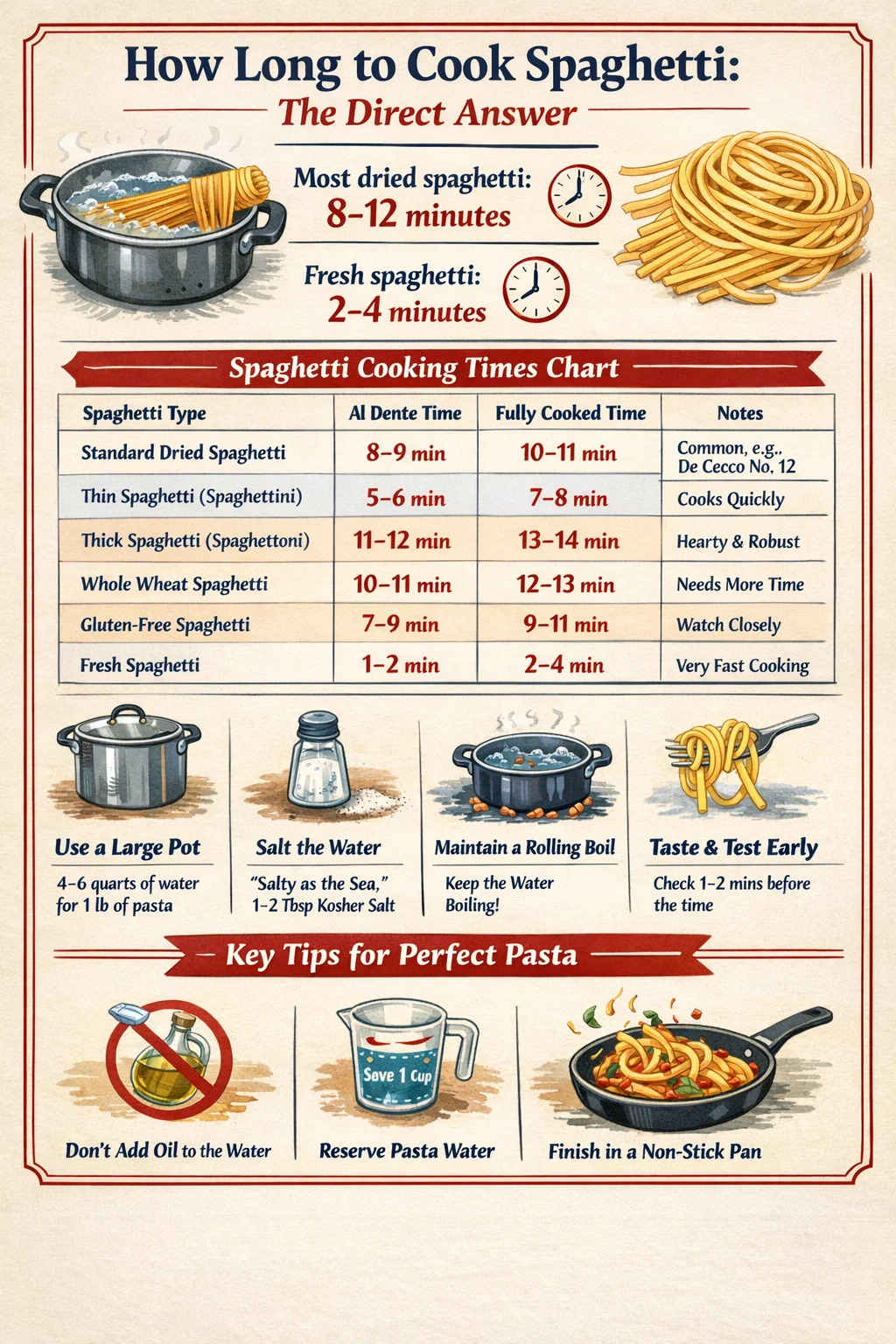
Most dried spaghetti takes 8 to 12 minutes to cook in boiling salted water, depending on thickness and your preferred texture. For al dente — the gold standard in Italian cooking — aim for the lower end of the package range, usually around 8 to 9 minutes. Fresh spaghetti cooks much faster, typically in just 2 to 4 minutes. Whole wheat spaghetti often needs a full 10 to 12 minutes to soften properly without turning gummy.
The number on the package is a starting point, not a finish line. Pasta thickness, water temperature, altitude, and even the specific brand all influence the actual time needed. The only reliable method is tasting the pasta directly from the pot about 1 to 2 minutes before the package suggests. It should feel tender but still offer a slight resistance when bitten — that's al dente.
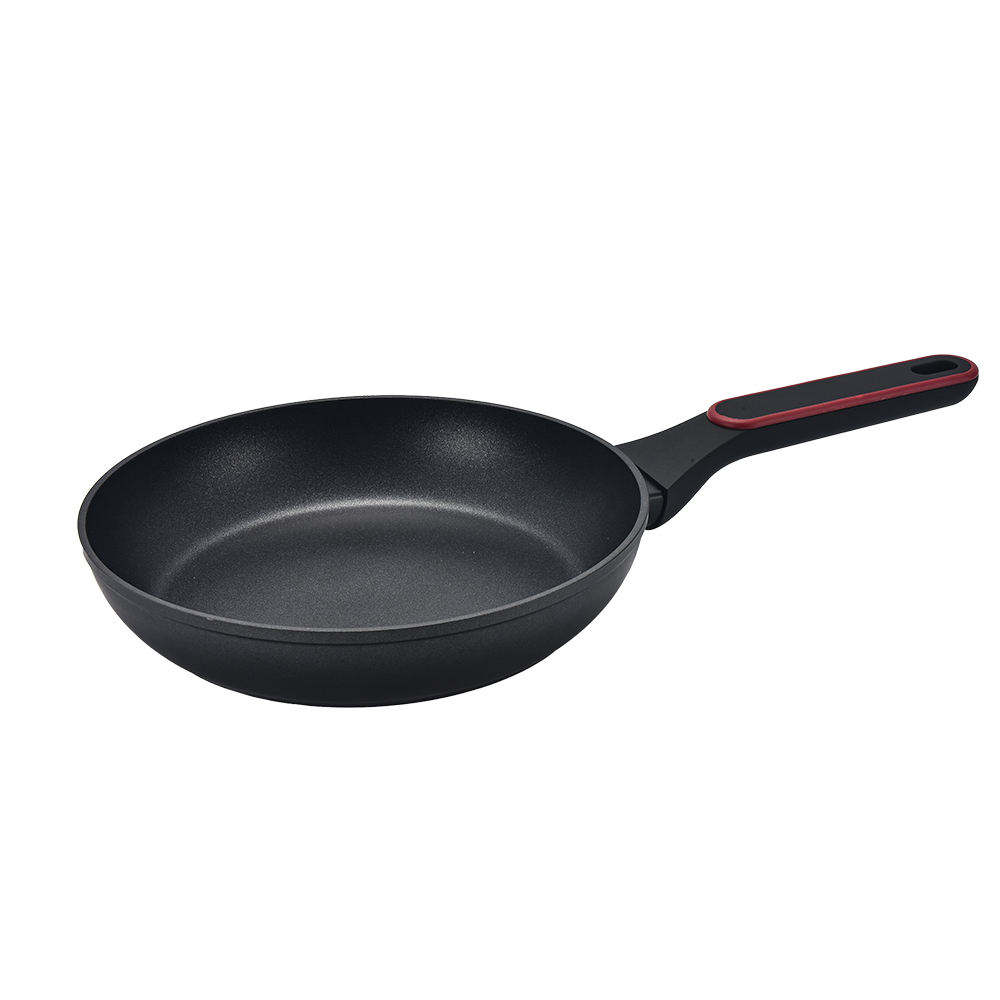
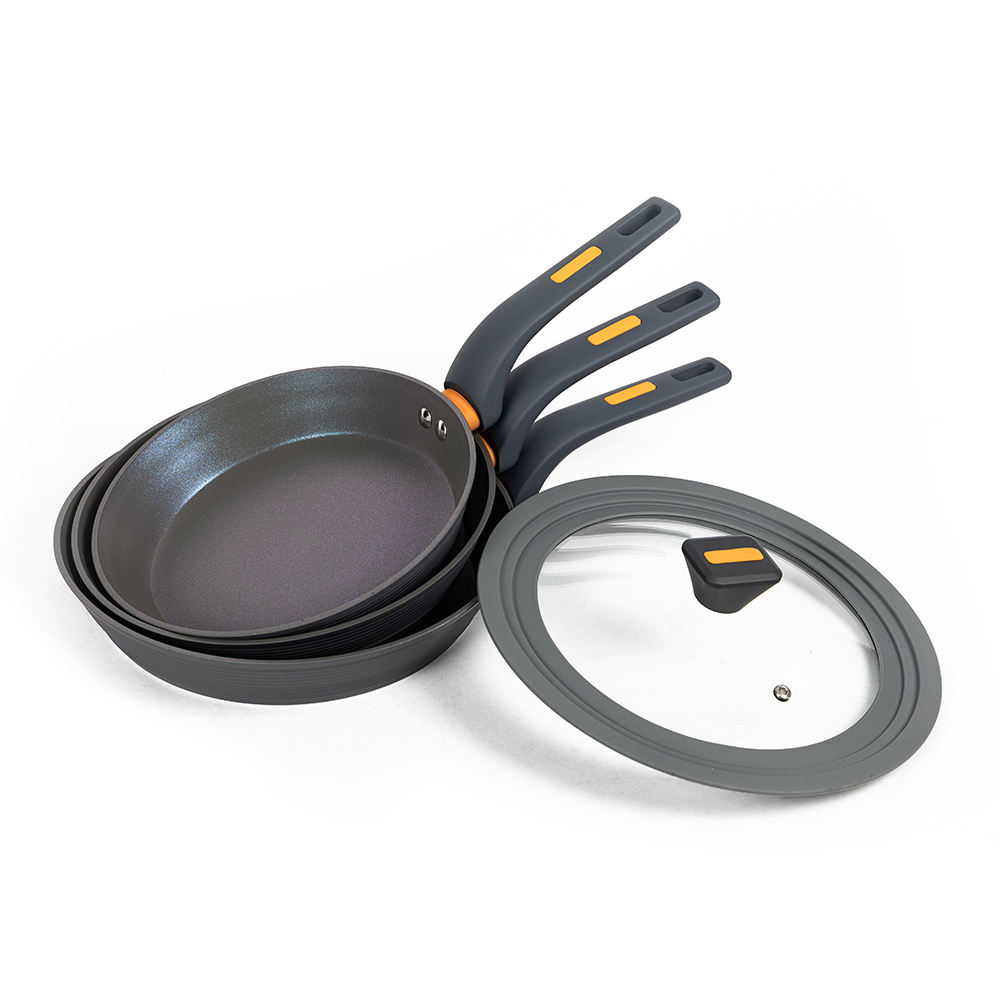
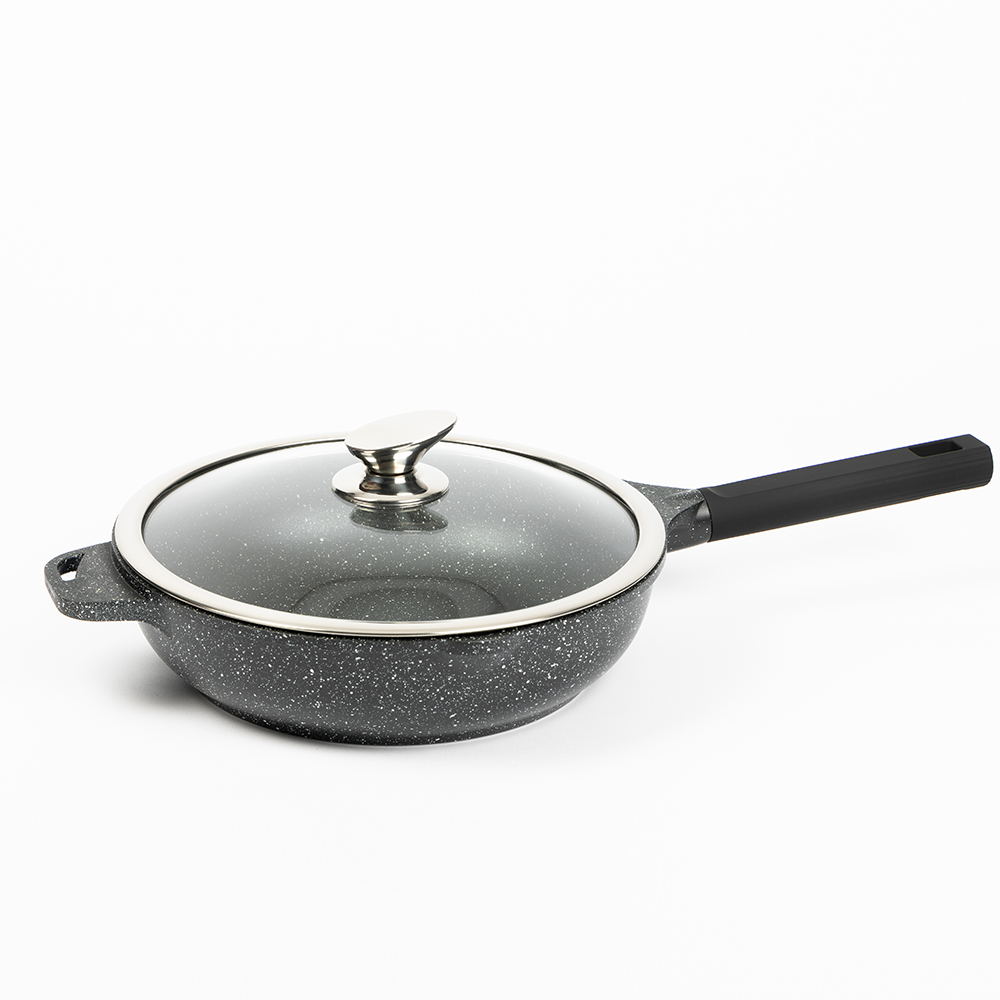
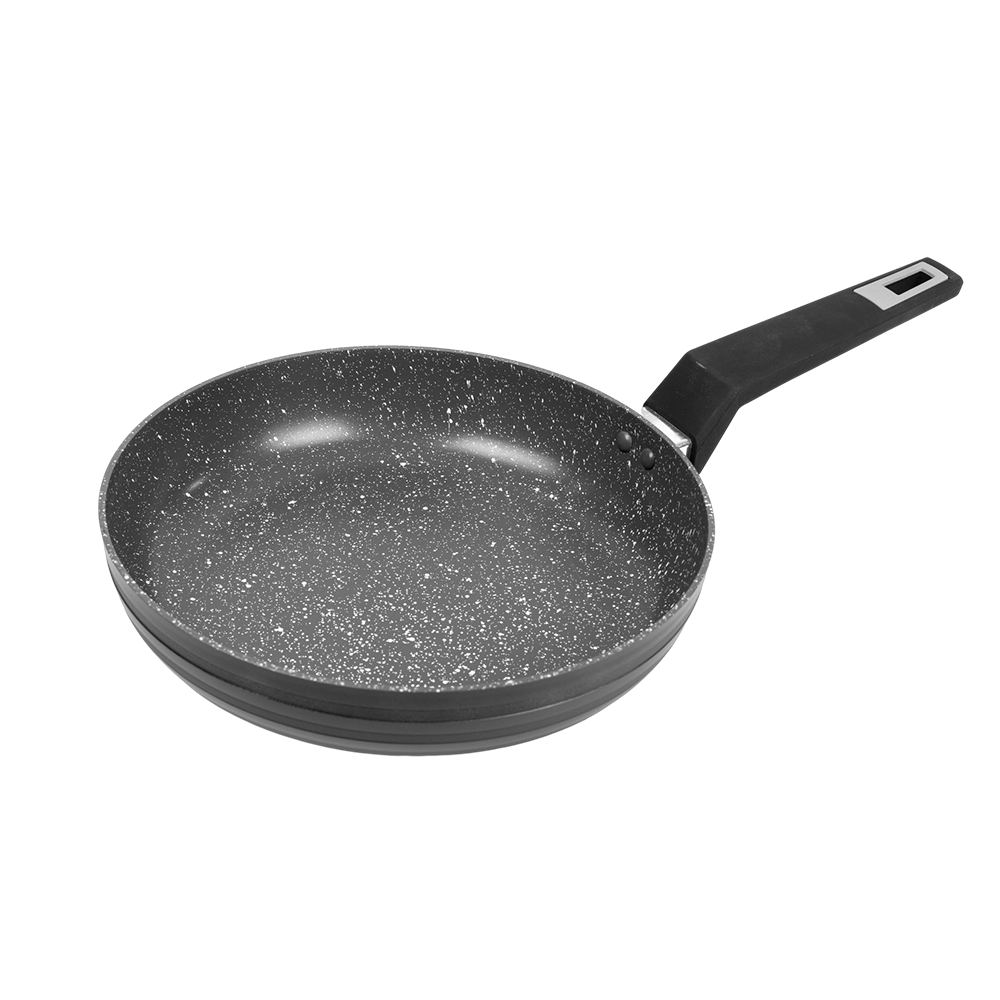
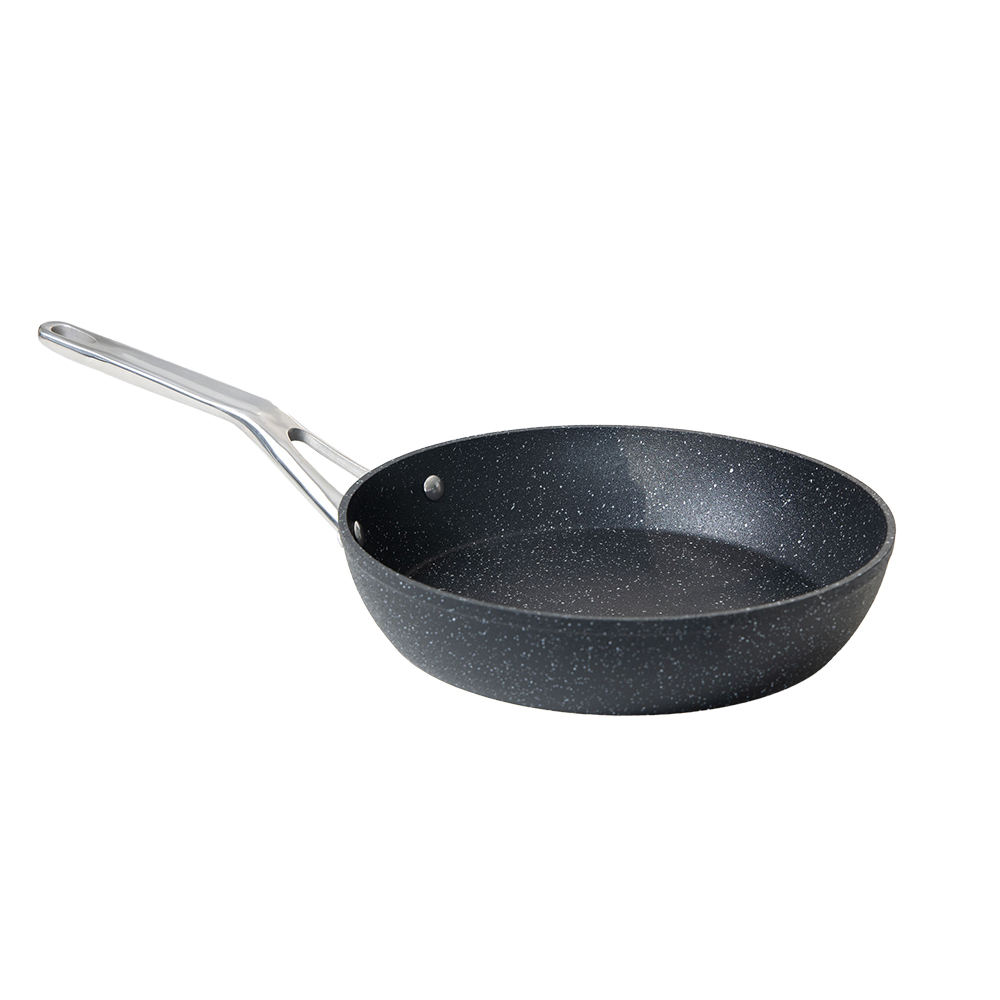
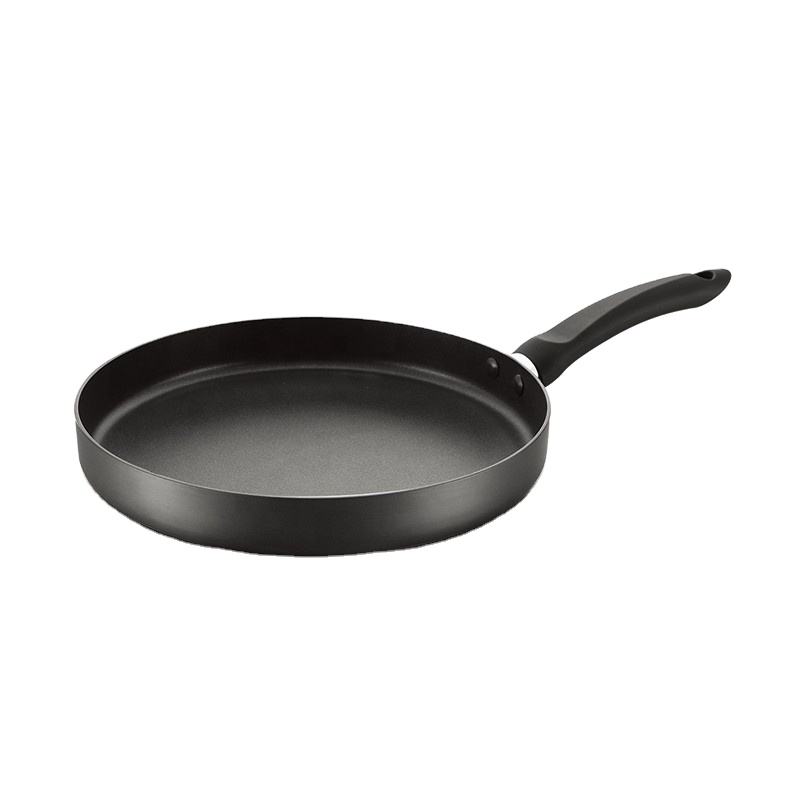
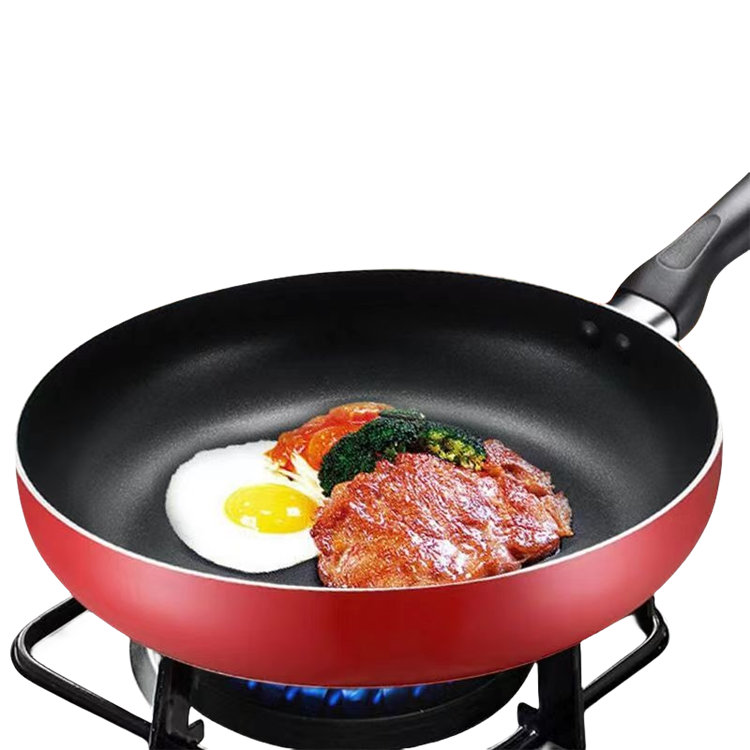
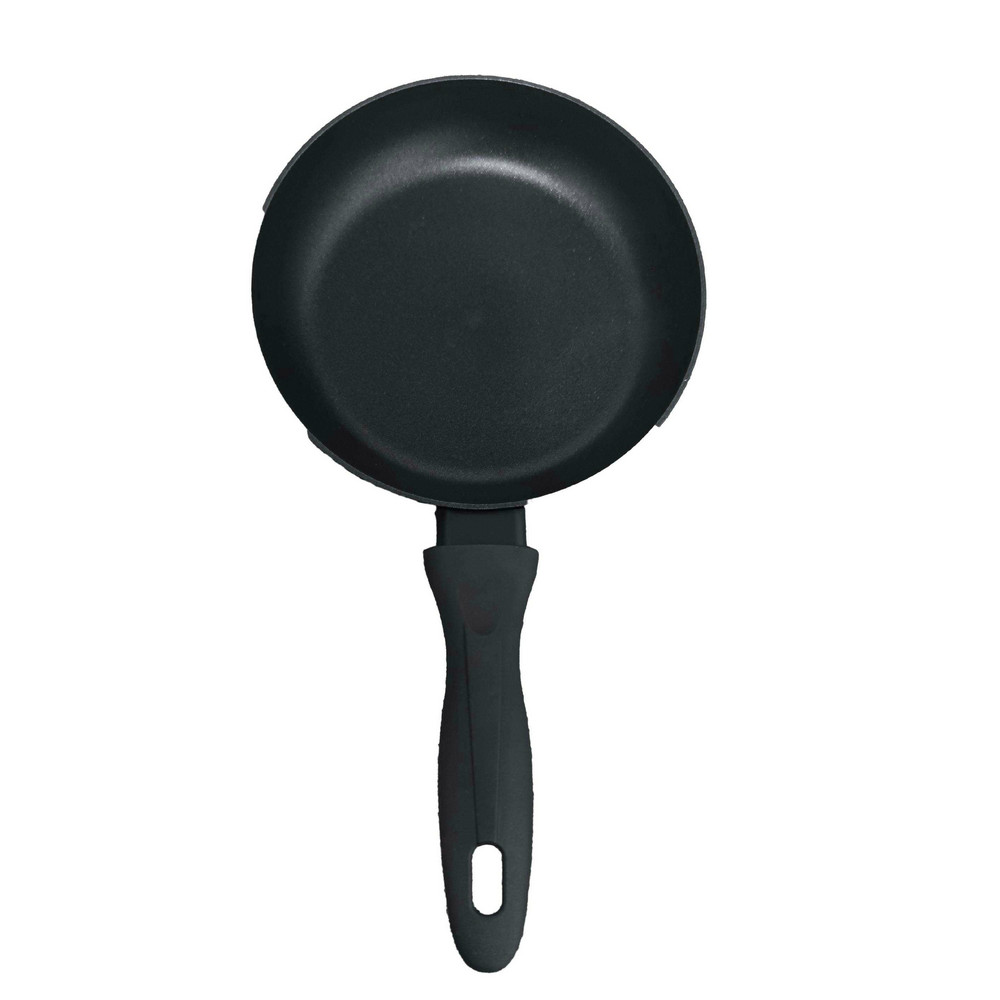
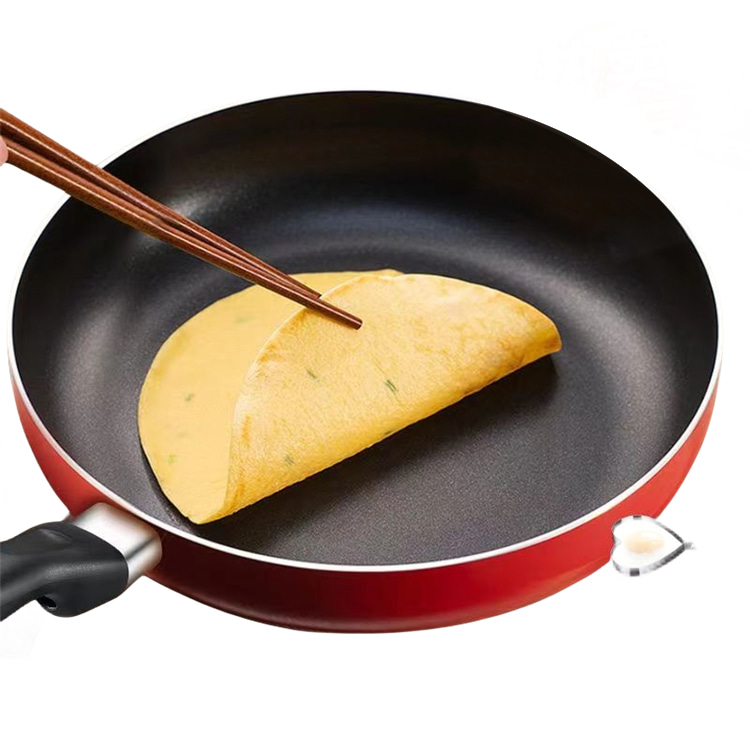
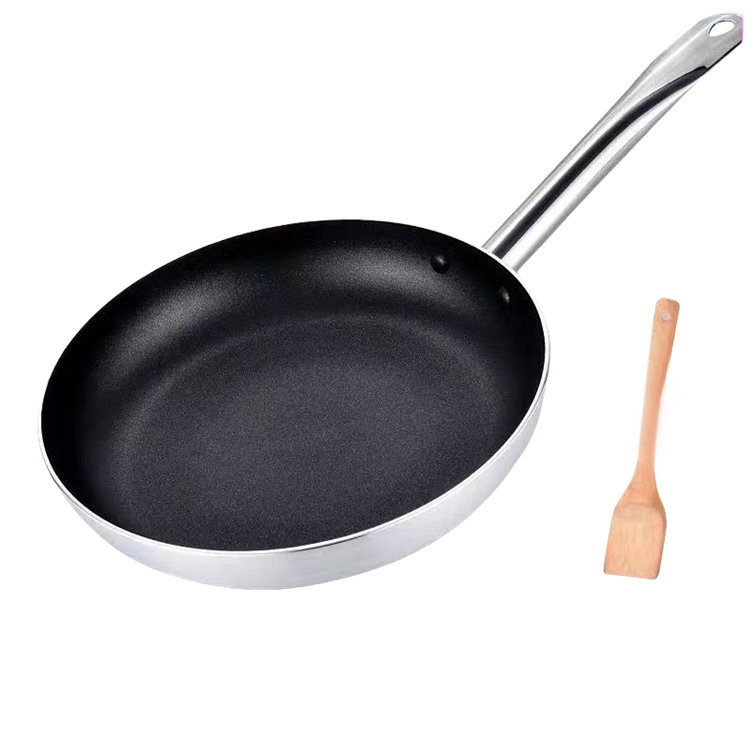
Getting the timing right also depends on what pot you use. A large, heavy-bottomed pot that maintains a rolling boil throughout cooking keeps spaghetti moving freely and cooks it more evenly. If you're finishing the pasta in a sauce afterward — sautéing it in a pan with oil, butter, or tomato sauce — a non-stick cookware piece like a wide non-stick skillet makes tossing and coating the spaghetti much easier without sticking or tearing.
Cooking Times by Spaghetti Type
Not all spaghetti is the same. The variety you choose has a direct impact on how long it spends in the pot. Here's a practical breakdown:
| Spaghetti Type | Al Dente Time | Fully Cooked Time | Notes |
|---|---|---|---|
| Standard dried spaghetti | 8–9 min | 10–11 min | Most common; e.g., De Cecco No. 12 |
| Thin spaghetti (spaghettini) | 5–6 min | 7–8 min | Pairs well with light oil-based sauces |
| Thick spaghetti (spaghettoni) | 11–12 min | 13–14 min | Hearty; suits robust meat sauces |
| Whole wheat spaghetti | 10–11 min | 12–13 min | Nuttier flavor; denser texture |
| Gluten-free spaghetti | 7–9 min | 9–11 min | Watch closely; can turn mushy fast |
| Fresh spaghetti | 1–2 min | 2–4 min | Delicate; taste early and often |
Gluten-free spaghetti deserves a special mention because it can go from perfectly cooked to unpleasantly mushy within 60 seconds. Brands made from rice flour, chickpea flour, or lentil flour behave differently from wheat pasta, so tasting every minute after the 7-minute mark is genuinely necessary — not optional.
Why the Pot and Water Setup Matter More Than Most People Think
The cooking vessel and water preparation are where many home cooks unknowingly add 2 to 4 minutes to their cook time — and get inferior results. Here's what actually makes a difference:
Use Enough Water
The standard recommendation is 4 to 6 quarts (roughly 4 to 6 liters) of water per pound of pasta. Cramming spaghetti into a small pot with too little water causes two problems: the water temperature drops sharply when the pasta goes in, and the strands clump together. A large stockpot with plenty of water recovers its boil quickly and gives the pasta room to move.
Salt the Water Generously
Pasta water should taste noticeably salty — many Italian cooks describe it as "as salty as the sea." A common ratio is about 1 to 2 tablespoons of kosher salt per 4 to 6 quarts of water. Salt doesn't just flavor the pasta; it raises the boiling point slightly and affects the texture of the cooked noodle.
Maintain a Rolling Boil
Add spaghetti only after the water reaches a full, vigorous boil — not a simmer. Once the pasta is in, keep the heat on high to bring the water back to a boil as quickly as possible. A rolling boil keeps the spaghetti in constant motion, which prevents sticking and promotes even cooking. If the water is only simmering, the pasta sits on the bottom and the outer layer overcooks before the center is done.
Don't Add Oil to the Water
Adding olive oil to the cooking water is a widely repeated tip that actually backfires. Oil coats the cooked spaghetti strands, creating a slick surface that prevents sauce from adhering. The result is pasta that slides out from under the sauce instead of holding it. If you're worried about sticking, just stir the pasta during the first 2 minutes of cooking — that's when it's most prone to clumping.
The Role of Non-Stick Cookware When Finishing Spaghetti in a Sauce
Boiling is only half the story for many spaghetti dishes. A significant number of classic preparations — aglio e olio, cacio e pepe, carbonara, and spaghetti al pomodoro — call for finishing the pasta in a pan with the sauce over heat. This technique, called "mantecare," binds the sauce to the noodles and creates a silkier, more cohesive dish. Here is where non-stick cookware genuinely earns its place in the kitchen.
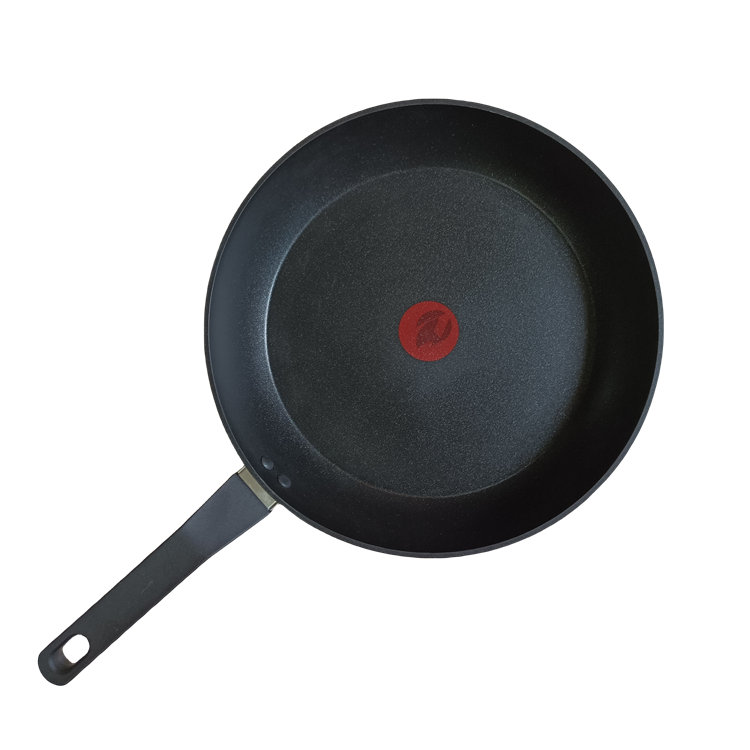
A wide non-stick skillet — ideally 12 inches (30 cm) in diameter — gives you enough surface area to toss spaghetti without strands flying out of the pan. The non-stick surface means delicate emulsified sauces like carbonara (which rely on eggs and starchy pasta water) don't seize and stick to the pan before they coat the noodles. Stainless steel pans are excellent for searing proteins but are far less forgiving when working with egg- or cream-based sauces at lower temperatures.
What to Look for in a Non-Stick Pan for Pasta
- Wide, low sides: A skillet shape (rather than a deep saucepan) gives you room to toss the pasta without it piling up.
- Even heat distribution: Aluminum-core or multi-ply non-stick pans avoid hot spots that can scorch garlic or burn butter at the pan's edges while the center stays cool.
- PFOA-free coating: Modern PTFE-based non-stick coatings are generally considered safe at normal cooking temperatures (below 500°F / 260°C). Look for certifications confirming PFOA-free manufacturing.
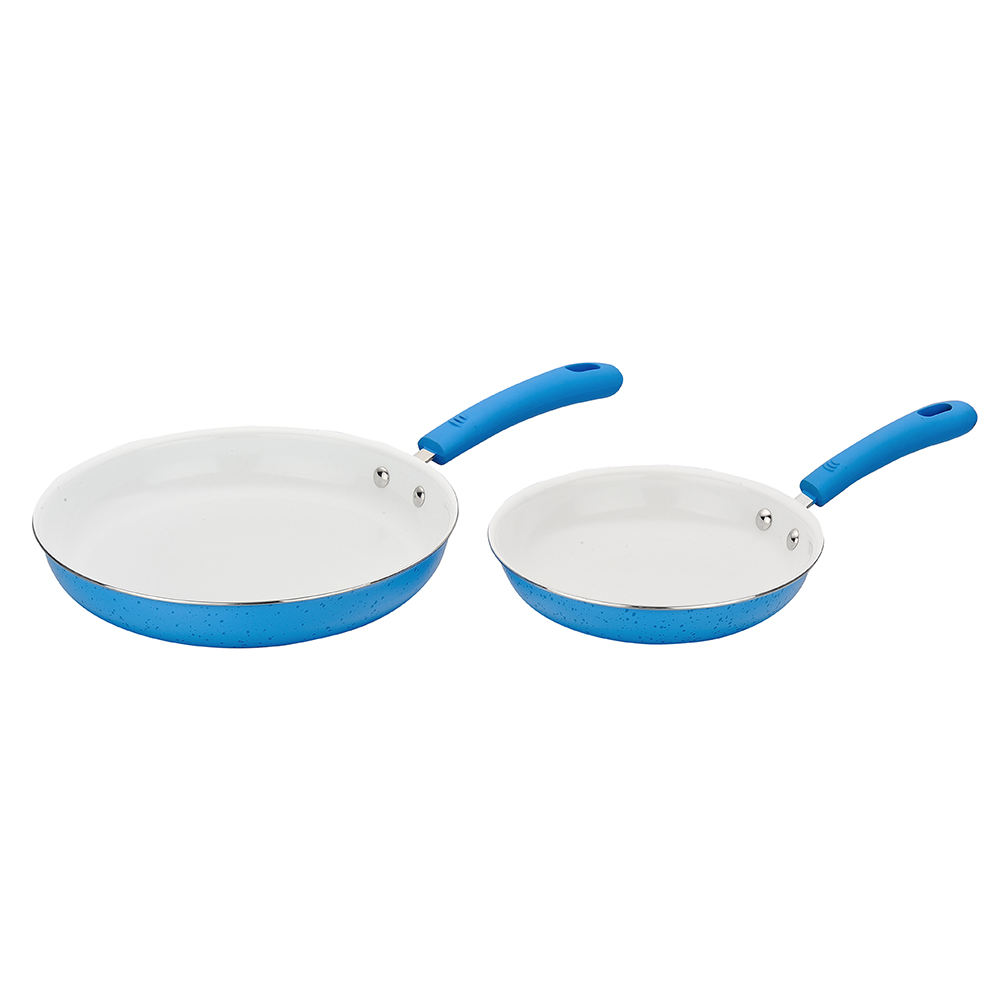
- Durable surface: Ceramic non-stick pans are another option; they're typically free of PTFE altogether, though they tend to lose their non-stick properties faster than high-quality PTFE coatings with regular use.
When using a non-stick pan for pasta finishing, keep the heat at medium rather than blasting it on high. High heat degrades non-stick coatings faster and isn't necessary — you're not searing anything, just warming and emulsifying. Add a ladle of starchy pasta water to the pan before adding the drained spaghetti. The starch in the water is what makes the sauce cling to each strand.
Step-by-Step: Cooking Spaghetti Correctly from Start to Finish
- Fill a large pot with 4 to 6 quarts of cold water. Use the biggest pot you have.
- Bring to a full rolling boil over high heat. This typically takes 10 to 15 minutes on a standard home burner — don't rush it with a lid-off simmer.
- Add 1 to 2 tablespoons of kosher salt. The water should taste noticeably salty.
- Add the spaghetti all at once and stir immediately with tongs or a pasta fork. Keep stirring for the first 2 minutes to prevent strands from welding together.
- Start timing from when the water returns to a boil, not from when you dropped the pasta in. This is a common source of timing errors.
- Taste the pasta 1 to 2 minutes before the package end time. Pull a strand out, cut or bite it, and look for a tiny pale dot in the center — that's the remaining dry core and means it needs another minute. When the dot is gone and the pasta has a pleasant chew, it's al dente.
- Reserve at least 1 cup (240 ml) of pasta water before draining. This starchy liquid is the secret ingredient in almost every pan sauce.
- Drain the spaghetti — do not rinse it. Rinsing washes off the surface starch that helps sauce stick.
- Transfer immediately to your sauce in a warmed non-stick skillet or saucepan. Toss over medium heat for 30 to 60 seconds, adding splashes of pasta water to loosen and emulsify the sauce.
Common Spaghetti Cooking Mistakes and How to Fix Them
Mistake: Breaking the Spaghetti in Half
Breaking spaghetti to fit in the pot is the pasta equivalent of cutting pizza with scissors — technically functional, but deeply frowned upon by most cooks. The ends of spaghetti will soften and bend within 30 to 40 seconds if you push them down gently with a spoon. You get better texture and a more authentic eating experience when the strands stay at their full length.
Mistake: Cooking in Too Little Water
Cooking 1 pound (450 g) of spaghetti in a small 3-quart pot with 2 quarts of water produces gluey, uneven pasta. The water temperature crashes when the cold pasta hits, the concentration of released starch turns the water thick and foamy, and the strands have no room to move. A 6-quart or larger stockpot is not overkill — it's the right tool for the job.
Mistake: Draining and Letting It Sit
Drained spaghetti clumps within about 2 minutes at room temperature, especially without sauce. If you're not finishing the pasta in a skillet, toss it immediately with whatever sauce you have ready. Alternatively, add a tablespoon of olive oil to the drained pasta and toss quickly — this buys a few minutes without as much sauce-repelling effect as adding oil during cooking.
Mistake: Skipping the Pasta Water
Pasta water is essentially a free thickener and sauce binder. After 8 to 12 minutes of cooking, the water contains a meaningful amount of dissolved starch — enough to transform a broken, greasy sauce into a smooth, glossy one. A single ladle (about 60 to 80 ml) added to the skillet as you toss the spaghetti makes a visible difference. Get in the habit of scooping it out before draining, because it's easy to forget once you're moving quickly.
Mistake: Using the Wrong Pan for the Sauce
A cold plate or an undersized saucepan cools the pasta instantly and makes tossing awkward. A preheated, appropriately sized non-stick frying pan or non-stick sauté pan keeps the pasta at serving temperature while allowing easy tossing. Non-stick cookware is especially useful here because emulsified sauces — those built from fat, water, and starch — are prone to breaking and sticking on reactive or rough-surfaced pans when the heat is imprecise.
Altitude, Stove Type, and Other Factors That Shift Cooking Time
Package directions are written for sea-level conditions using a standard burner. In practice, several variables push the time up or down:
- Altitude: At 5,000 feet (1,524 m), water boils at approximately 202°F (94°C) instead of 212°F (100°C). Lower boiling point means slower cooking — add 1 to 2 minutes to package times at high altitude, and taste frequently.
- Induction vs. gas vs. electric: Induction burners recover heat fastest after cold pasta is added, which shortens the time to return to a boil. Electric coil burners are slowest; add 1 to 2 extra minutes if your water drops to a simmer when pasta goes in.
- Pot material: Thin aluminum pots heat quickly but also lose heat quickly when cold pasta hits. Heavy-bottomed stainless steel or enameled cast iron pots maintain temperature better, which stabilizes cooking time.
- Pasta brand and manufacturing method: Artisanal dried pasta made with bronze dies has a rougher surface and slightly denser texture than industrial pasta made with smooth Teflon dies. The rougher surface can add 1 to 2 minutes to cook time — and it also holds sauce better.
- Water hardness: Hard water (high in calcium and magnesium) can slow pasta cooking slightly because these minerals interfere with the protein network in wheat. The effect is subtle but measurable in controlled tests.
Choosing the Right Non-Stick Cookware for Everyday Pasta Cooking
If you cook pasta regularly, having the right non-stick cookware in your kitchen lineup makes a practical difference. Here's how different non-stick pan types perform for pasta-specific tasks:
| Pan Type | Best For | Limitations | Typical Lifespan |
|---|---|---|---|
| PTFE (Teflon-style) non-stick skillet | Finishing pasta in egg/cream sauces; light sautéing | Avoid metal utensils; not ideal above 450°F (232°C) | 3–5 years with proper care |
| Ceramic non-stick pan | PTFE-free option; oil-based pasta sauces | Loses non-stick faster; avoid high heat | 1–2 years |
| Hard-anodized non-stick | Durable; good for higher-heat pasta dishes | Heavier; not dishwasher-safe in most cases | 5–7 years |
| Non-stick sauté pan (with high sides) | Cooking larger pasta portions with sauce | Heavier to toss; bulkier storage | 4–6 years |
For most home cooks, a 12-inch PTFE non-stick skillet is the most versatile choice. It handles a pound of cooked spaghetti comfortably, works for two to four servings, and is light enough to toss without straining your wrist. Pair it with a large, heavy-bottomed stockpot for boiling, and you have everything needed for consistent results.
To extend the life of any non-stick cookware, follow a few basic rules: use wooden, silicone, or nylon utensils; hand-wash rather than machine-wash; and avoid storing other pans stacked directly on the cooking surface. A scratched or flaking non-stick surface is a sign it's time to replace the pan — damaged coatings can release particles into food and no longer provide reliable performance.
How to Tell When Spaghetti Is Done Without a Timer
Timers are useful, but your senses are the final authority. Here are three practical ways to test doneness:
The Bite Test (Most Reliable)
Pull a single strand from the pot, let it cool for 3 seconds, and bite through it. Al dente pasta should feel tender on the outside with a barely perceptible firmness at the center — not crunchy, not soft throughout. If you cut the strand and see a white dot in the cross section, it needs another minute. When the white dot disappears and the pasta has a uniform, slightly translucent color, it's ready.
The Throw Test (Less Reliable, But Fun)
Throwing a strand of spaghetti at the wall to see if it sticks is a folk test that has been repeated so many times it has taken on mythological status. The truth: pasta sticks to the wall when it's overcooked and surface-sticky, not when it's perfectly al dente. Use the bite test instead.
The Look Test (Helpful as a Secondary Check)
Raw spaghetti is opaque white throughout. As it cooks, it becomes translucent from the outside in. When a strand held up to light shows a uniform, slightly translucent appearance with no visible white core, it's typically at or just past al dente. This works best as a quick secondary check alongside tasting, not as a standalone method.
Frequently Asked Questions
Does spaghetti keep cooking after you drain it?
Yes, briefly. The residual heat in the pasta continues to soften the center for about 30 to 60 seconds after draining. If you plan to finish the pasta in a hot pan with sauce, drain it 30 seconds to 1 minute before it reaches your target texture. It will finish cooking in the pan.
Can you cook spaghetti in a non-stick pot?
You can, but most non-stick stockpots are not designed for rapid high-heat boiling over extended periods, and the coating can degrade faster under those conditions. A regular stainless steel or aluminum stockpot is better suited for boiling pasta. Reserve your non-stick cookware — particularly a non-stick skillet or non-stick frying pan — for the sauce-finishing step.
How do you reheat leftover spaghetti without it drying out?
The best method is a non-stick skillet over medium-low heat with a tablespoon or two of water added to the pan. Cover the pan for 1 to 2 minutes to let steam rehydrate the pasta, then toss and serve. This works better than microwaving, which tends to make the outer strands rubbery while the center stays cold.
What is the difference between spaghetti and spaghettini cooking time?
Spaghettini (thinner, No. 5 gauge in many brands) typically cooks in 5 to 7 minutes versus 8 to 11 minutes for standard spaghetti. The thinner strands are more delicate and overcook easily, so consistent tasting from the 4-minute mark is important.
Should you cover the pot while cooking spaghetti?
Cover the pot while bringing the water to a boil — it speeds up the process by trapping heat. Once you add the spaghetti, remove the lid or leave it slightly ajar. A fully covered pot of actively boiling pasta can bubble over, and you want to be able to stir and taste the pasta without hassle.
How much spaghetti should you cook per person?
A standard serving of dried spaghetti is 2 ounces (57 g) per person as a main course, or 3 ounces (85 g) if the dish is pasta-forward without much else alongside it. A common visual guide: a bundle of dried spaghetti with a diameter roughly the size of a U.S. quarter coin weighs approximately 2 ounces.