English
 中文简体
中文简体
 日本語
日本語
 Español
Content
- 1 How Long to Cook Spaghetti Noodles: The Direct Answer
- 2 Why the Right Pot Makes a Real Difference
- 3 Cook Times by Spaghetti Type: A Full Breakdown
- 4 Step-by-Step: How to Cook Spaghetti Noodles Properly
- 5 Understanding Al Dente: What It Actually Means and How to Hit It
- 6 How Finishing in a Pan Changes Your Timing
- 7 Common Mistakes That Ruin Spaghetti Timing
- 8 How Altitude Affects Spaghetti Cook Time
- 9 Spaghetti for Meal Prep: Cooking Ahead Without Ruining Texture
- 10 The Role of Brand and Quality in Cook Time
- 11 Quick Reference: Spaghetti Cooking Checklist
How Long to Cook Spaghetti Noodles: The Direct Answer
Standard dried spaghetti noodles take 8 to 12 minutes to cook in boiling salted water, depending on the brand and your preferred texture. For al dente — the gold standard in Italian cooking — aim for the lower end of the package instructions, typically around 8 to 9 minutes for regular thickness (spaghetti No. 5). Fresh spaghetti, on the other hand, cooks significantly faster: just 2 to 4 minutes is usually enough.
That said, the number on the box is a starting point, not a rule. The actual cook time varies based on the thickness of the noodles, the altitude you're cooking at, how vigorously the water is boiling, and how you plan to finish the pasta (in a sauce or served immediately). Tasting the noodle directly is the most reliable method — and we'll explain exactly what to look for.
Why the Right Pot Makes a Real Difference
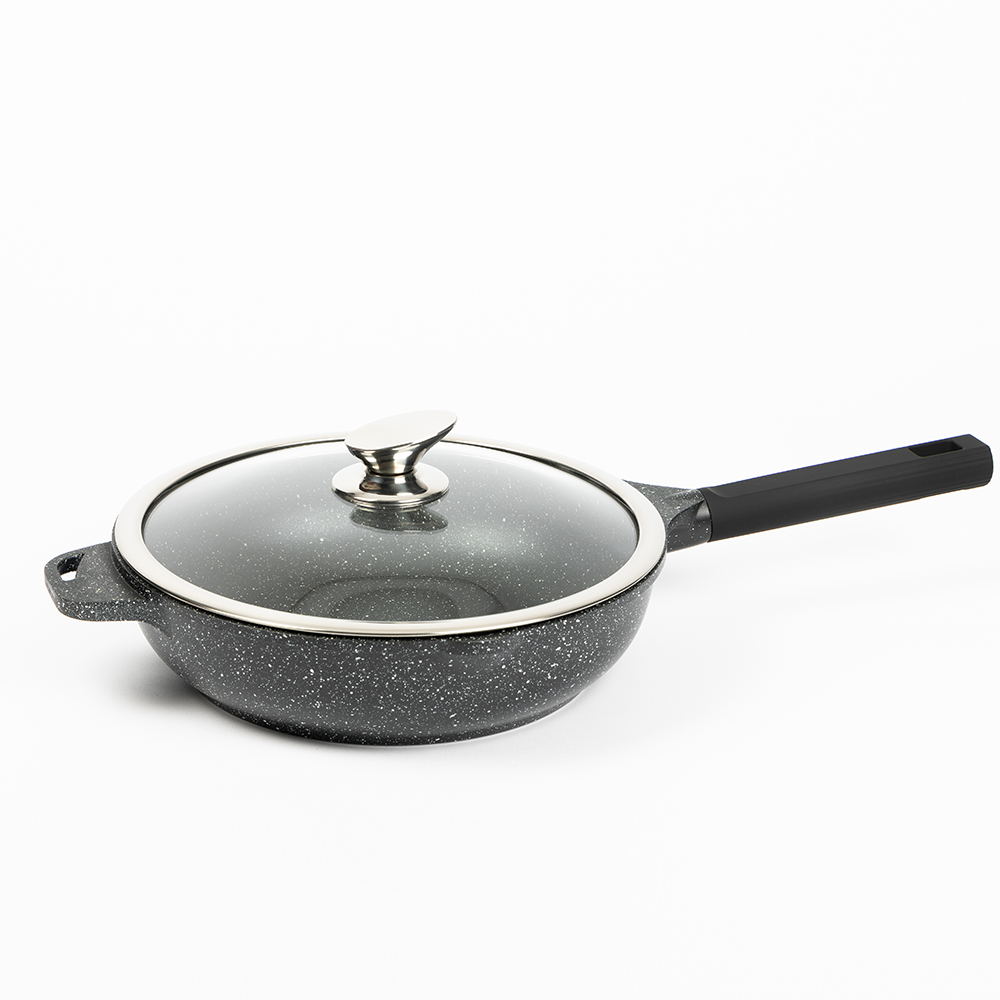
Before you even think about timing, the cookware you use has a direct impact on how evenly and quickly your spaghetti cooks. Among all the pots and pans in your kitchen, a large, tall stockpot is the right tool for pasta. A pot that's too small causes the noodles to clump, the water temperature to drop too sharply when you add the pasta, and uneven cooking throughout.
For a standard 400g (14 oz) package of spaghetti, you need at least 4 to 6 quarts (roughly 4 to 6 liters) of water. That means your pot should hold at least 6 to 8 quarts to allow for safe boiling without overflow. A heavy-bottomed pot — whether stainless steel or enameled — distributes heat more evenly and maintains a rolling boil better than thin, cheap pots and pans that fluctuate in temperature the moment you drop in cold pasta.
Choosing Between Stainless Steel and Nonstick Pots
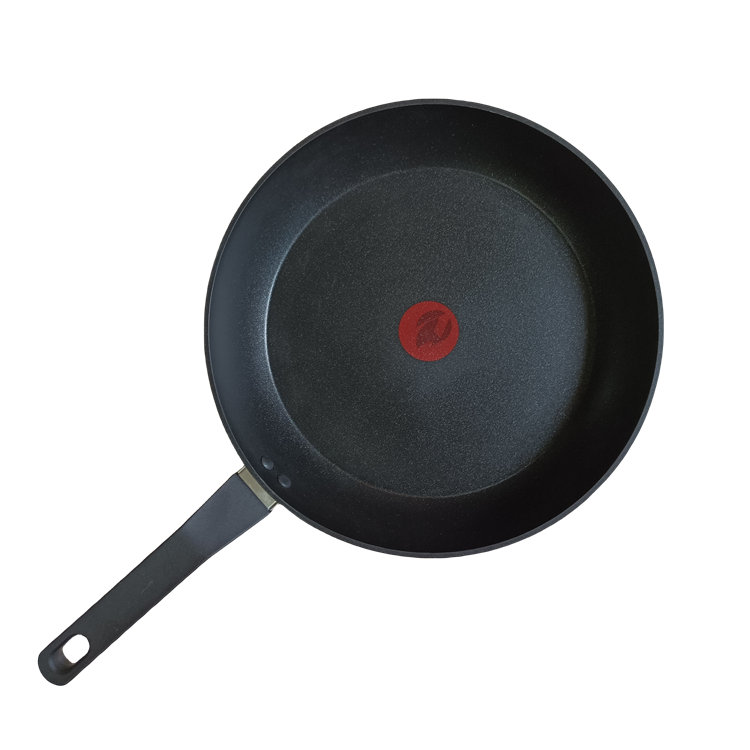
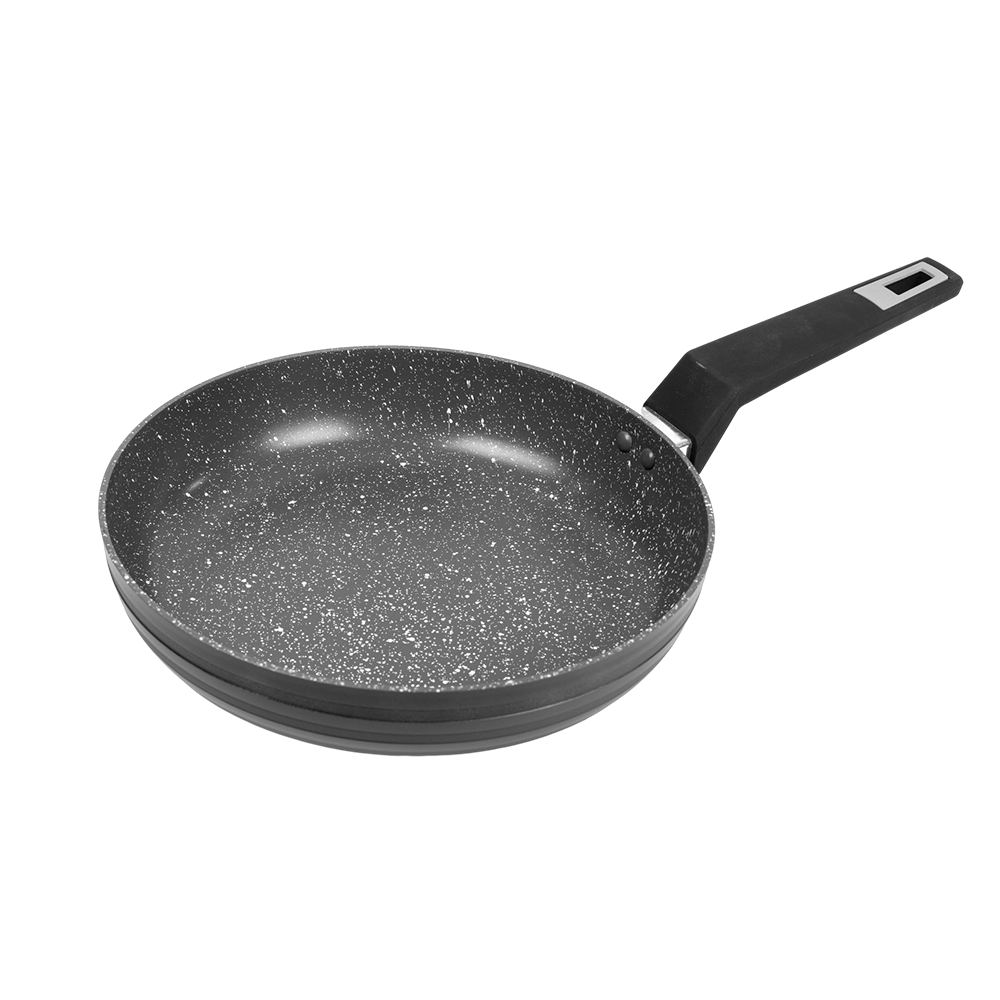
For boiling pasta, stainless steel pots are far preferable to nonstick. Nonstick coatings aren't designed to withstand the high, sustained heat needed for a full rolling boil, and they can degrade over time if repeatedly used this way. Stainless steel pots and pans are durable, non-reactive, and easy to clean — making them the industry standard for pasta cooking in both home and professional kitchens.
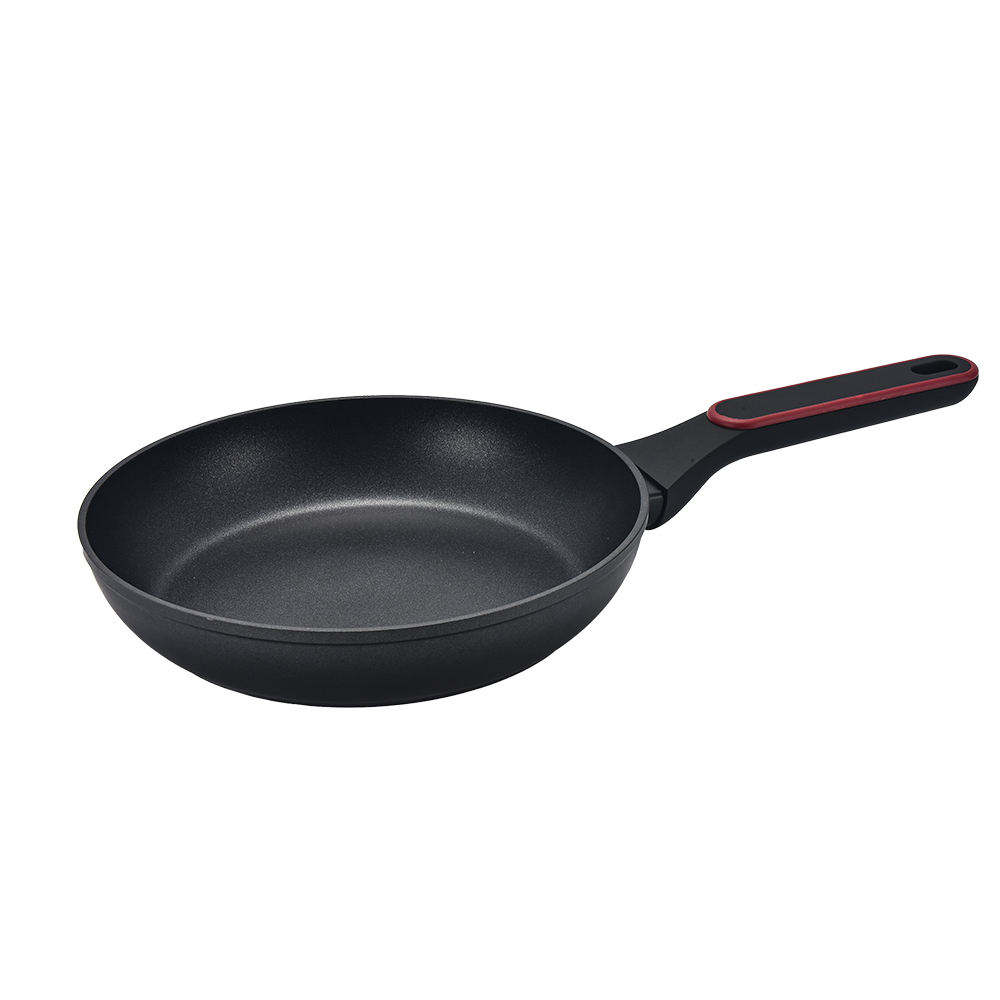
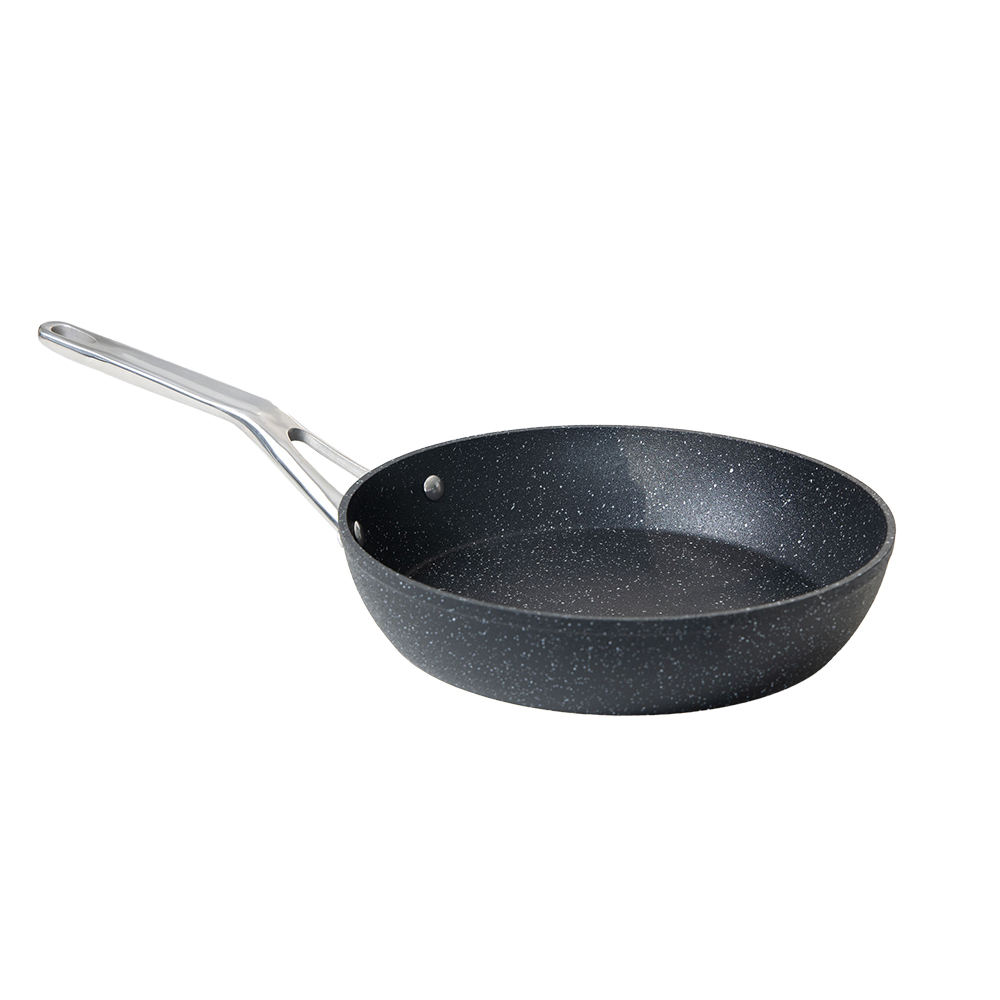
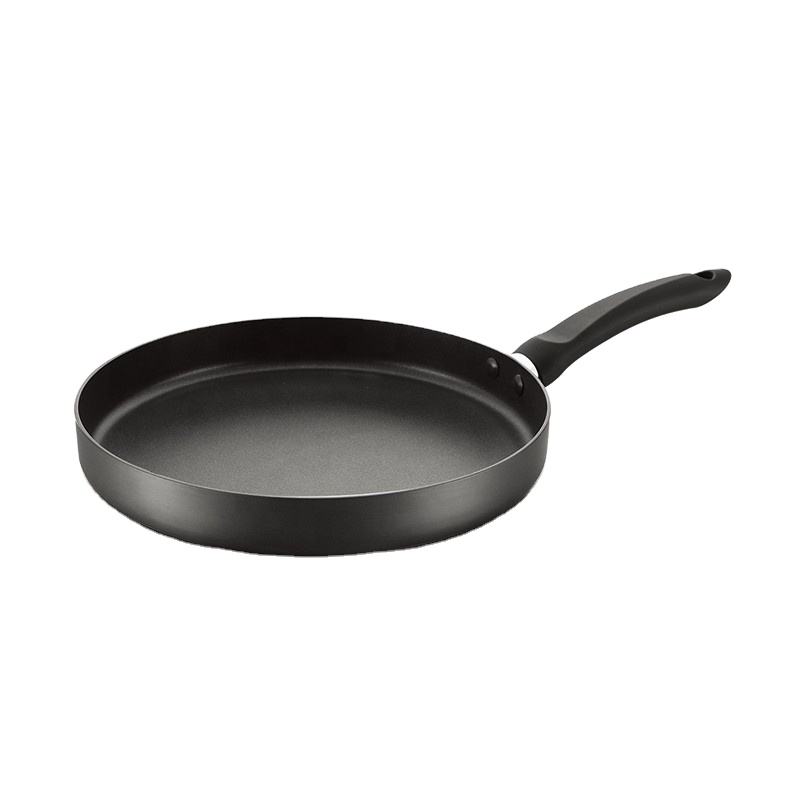
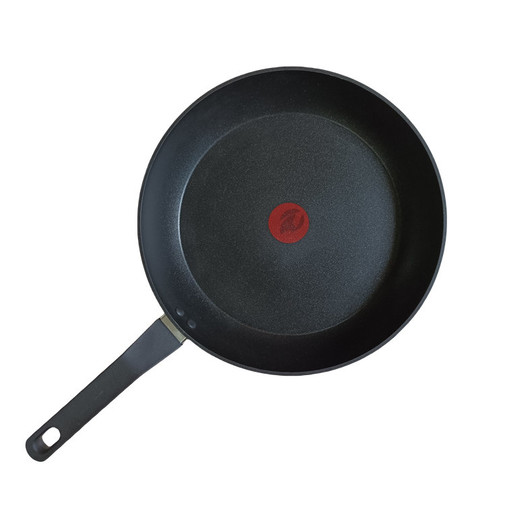
If you want to finish your spaghetti by tossing it in a sauce, a wide, shallow sauté pan or skillet becomes the second piece of cookware you'll need. Many chefs use their everyday pots and pans in a two-step process: boil in the stockpot, then finish and emulsify the sauce in a wide pan where the noodles can be coated more efficiently.
Cook Times by Spaghetti Type: A Full Breakdown
Not all spaghetti is created equal. The noodle's thickness, composition, and whether it's fresh or dried all affect cooking time. Use the table below as a practical reference:
| Spaghetti Type | Thickness | Al Dente Time | Fully Cooked Time |
|---|---|---|---|
| Spaghettini (thin) | 1.4–1.6 mm | 5–6 minutes | 7–8 minutes |
| Spaghetti No. 5 (standard) | 1.8–2.0 mm | 8–9 minutes | 10–12 minutes |
| Spaghetti No. 7 (thick) | 2.0–2.4 mm | 10–11 minutes | 12–14 minutes |
| Whole wheat spaghetti | ~2.0 mm | 9–10 minutes | 11–13 minutes |
| Gluten-free spaghetti | ~2.0 mm | 7–9 minutes | 9–11 minutes |
| Fresh spaghetti | ~2.0 mm | 2–3 minutes | 3–4 minutes |
One important note about gluten-free spaghetti: rice-based or chickpea-based noodles can go from perfectly cooked to mushy very quickly. Start checking them 2 minutes before the package suggests and don't walk away from the pot.
Step-by-Step: How to Cook Spaghetti Noodles Properly
Getting the timing right starts long before you drop the noodles in. Here's a full walkthrough of the process that professional cooks actually use:
Step 1 — Use Enough Water and the Right Pot
Fill your largest pot — ideally a 6-quart or larger stockpot — with cold water. For every 100g of dry pasta, use approximately 1 liter of water. This ratio keeps the starch concentration in check, prevents sticking, and helps the pasta cook uniformly. Crowding noodles into insufficient water is one of the most common reasons pasta turns out gummy.
Step 2 — Salt the Water Generously
Add salt only after the water starts to boil — adding it earlier doesn't speed anything up and can slightly pit stainless steel pots over time. Use 1 to 2 tablespoons of kosher salt per 4 to 6 quarts of water. The water should taste pleasantly salty, like a mild broth. Salt seasons the pasta from the inside out; no amount of sauce applied afterward can replicate this.
Step 3 — Add Spaghetti Only When Water Is at a Full Rolling Boil
A gentle simmer is not sufficient. You need a full rolling boil — large, vigorous bubbles throughout the pot — before adding the noodles. Adding pasta to water that isn't fully boiling causes it to absorb water too slowly, leading to a soft, starchy outer layer before the center finishes cooking.
Drop the spaghetti in and immediately stir with a wooden spoon or pasta fork to separate the strands. Stir again after 30 seconds, and a few more times during the first 2 minutes — this is the window when sticking is most likely to happen.
Step 4 — Start Testing 2 Minutes Early
Whatever the package says, start tasting the pasta 2 minutes before the stated time. Pull out a single strand and bite through it. Look for a tiny white dot or line in the center when you bite — that's the uncooked starch, which is what al dente actually means. Once that dot disappears, the pasta is fully cooked (and starting to overcook if you wait much longer).
Step 5 — Reserve Pasta Water Before Draining
Before you drain, scoop out at least 1 full cup of pasta cooking water and set it aside. This starchy liquid is one of the most underused tools in home cooking. When you toss the pasta with sauce in a pan, adding small splashes of pasta water helps emulsify the fat and liquid into a cohesive, glossy sauce that clings to every noodle.
Step 6 — Don't Rinse the Noodles
Rinsing cooked spaghetti under cold water washes away the surface starch that helps sauce adhere to the pasta. Unless you're making a cold pasta salad, skip the rinse entirely. Drain the noodles, transfer immediately to your sauce, and toss to coat while everything is still hot.
Understanding Al Dente: What It Actually Means and How to Hit It
"Al dente" is Italian for "to the tooth" — it describes pasta that is cooked through but still has a slight firmness when you bite it. It's not crunchy, and it's not soft. It offers a subtle resistance that disappears almost immediately as you chew. This texture isn't just a preference; it's actually associated with a lower glycemic index, meaning the body absorbs the carbohydrates more slowly compared to overcooked, soft pasta.
For spaghetti that will be finished in a pan with hot sauce, pull it from the boiling water 1 to 2 minutes before it reaches al dente. The residual heat from the sauce and the cooking process will finish the noodle perfectly. If you cook it to al dente in the pot and then continue cooking it in a pan, you'll overshoot the mark.
For pasta that goes directly from the colander to a plate with a sauce spooned on top (rather than tossed in a pan), cook it all the way to al dente before draining.
How Finishing in a Pan Changes Your Timing
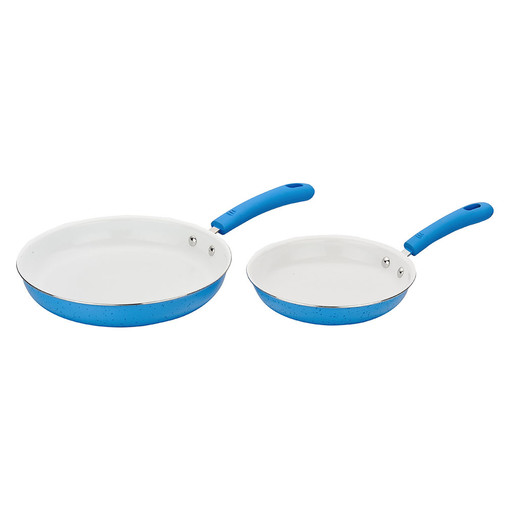
Professional pasta cooking almost always involves a two-stage process: boiling in a large pot, and finishing in a wide sauté pan or skillet. This second stage — using one of the most important pots and pans in your kitchen — is where the texture and flavor truly come together.
When you transfer underdone spaghetti (about 80% cooked) to a pan with simmering sauce, the noodle absorbs the sauce directly rather than simply being coated by it. This technique, used in virtually every Roman pasta dish, creates a fundamentally different eating experience compared to pasta simply drained and sauced at the table.
For this method, use a wide stainless steel or carbon steel skillet — not a nonstick pan, because you want the ability to toss the pasta aggressively without worrying about damaging the surface. Add a ladle of pasta water to the sauce before adding the noodles, toss over medium heat for 1 to 2 minutes, and add more pasta water as needed to loosen the sauce.
Common Mistakes That Ruin Spaghetti Timing
Even experienced cooks make avoidable errors when cooking spaghetti. These are the most common problems and exactly what causes them:
- Using a pot that's too small: Leads to clumping, uneven cooking, and pasta that sticks together. Among all your pots and pans, choose the biggest one you own for pasta.
- Adding oil to the water: A common myth. Oil floats on water and doesn't prevent sticking — it just coats the pasta later, causing sauce to slide off rather than adhere.
- Not salting the water: Results in bland, flat-tasting noodles that no sauce can rescue. Salt the water — not the pasta afterward.
- Trusting the clock over your senses: Package times are guidelines based on average conditions. Altitude, pot size, and water volume all affect actual cook time. Taste early and taste often.
- Letting pasta sit in the colander: Drained pasta that sits out for even 2 minutes starts to stick and dry out. Have your sauce ready before the pasta is done, not after.
- Cooking on too-low heat: If the water stops boiling when you add the pasta, the cook time is thrown off entirely. Keep the heat at maximum until the boil returns, then you can reduce slightly to prevent overflow.
- Ignoring the pasta after adding it: The first few minutes are critical for preventing sticking. Stir frequently in the first 2 minutes, then every couple of minutes thereafter.
How Altitude Affects Spaghetti Cook Time
At sea level, water boils at 100°C (212°F). At 1,500 meters (about 5,000 feet) above sea level — like Denver, Colorado — water boils at approximately 95°C (203°F). At 3,000 meters (about 10,000 feet), it drops to around 90°C (194°F).
That lower boiling temperature means pasta takes longer to cook at high altitudes — sometimes significantly longer. A spaghetti that cooks in 9 minutes at sea level might need 11 to 13 minutes at altitude. If you live above 1,500 meters, simply add 20–25% to the package's stated cooking time as your starting point, then adjust based on the taste test.
Covering the pot with a lid while bringing water to a boil helps speed up the process at altitude, since heat escapes more rapidly in thinner air. Once the pasta is in, remove the lid or leave it partially ajar to prevent boilovers.
Spaghetti for Meal Prep: Cooking Ahead Without Ruining Texture
If you're cooking spaghetti in advance for meal prep, the approach is slightly different. Cook the noodles to just under al dente — about 1 to 2 minutes less than you normally would. Then drain, toss lightly with a small amount of olive oil (just enough to prevent sticking), and spread on a sheet pan or store in an airtight container in the refrigerator for up to 3 days.
When reheating, drop the pre-cooked noodles directly into simmering sauce in a skillet for 1 to 2 minutes. They'll finish cooking in the sauce and absorb the flavor at the same time. Avoid microwaving plain pasta noodles — it dries them out unevenly and destroys the texture.
For large-batch meal prep (cooking for a week), store sauce and noodles separately. Combined pasta dishes left in the fridge for multiple days become waterlogged as the noodles continue to absorb moisture from the sauce.
The Role of Brand and Quality in Cook Time
Not all dried spaghetti performs the same way, even at identical thicknesses. The quality of the semolina flour, the bronze-die versus Teflon-die extrusion method, and the drying temperature all affect how the pasta behaves in boiling water.
Bronze-die pasta — produced by forcing dough through textured bronze molds — has a rougher, more porous surface compared to smooth Teflon-die pasta. That texture means sauce clings more effectively, but it also means the pasta can absorb water slightly differently. Premium Italian brands like De Cecco, Barilla, and Rummo all specify slightly different cook times for nominally identical products. Always defer to the package as a starting reference, then taste your way to the right result.
Higher-quality pasta also tends to hold its texture better as it sits. Budget pasta can go from perfectly cooked to mushy in under a minute, while a well-made semolina pasta maintains its bite for longer — giving you a larger window to work with.
Quick Reference: Spaghetti Cooking Checklist
Use this checklist every time you cook spaghetti to make sure you don't miss any step that affects the outcome:
- Choose the largest pot you own — at least 6 quarts for a standard package of pasta.
- Fill with cold water: approximately 1 liter per 100g of dry spaghetti.
- Bring to a full, rolling boil over high heat before adding anything.
- Add 1–2 tablespoons of kosher salt once the water is boiling.
- Add spaghetti and stir immediately. Stir again at 30 seconds and frequently during the first 2 minutes.
- Check the package time, then start tasting 2 minutes before it.
- If finishing in a pan, pull the pasta 1–2 minutes early.
- Reserve at least 1 cup of pasta water before draining.
- Drain but do not rinse (unless making a cold salad).
- Toss immediately with sauce — don't let the drained noodles sit idle.