English
 中文简体
中文简体
 日本語
日本語
 Español
Content
- 1 Ceramic Pans Last 1 to 3 Years: The Realistic Lifespan Table
- 2 Why Ceramic Coatings Lose Their Nonstick Performance
- 3 6 Factors That Decide How Long Your Ceramic Pan Lasts
- 4 5 Clear Signs That Your Ceramic Pan Needs Replacing
- 5 How to Extend the Life of a Ceramic Pan: 8 Practical Rules
- 6 Ceramic vs Other Cookware Types: Lifespan and Trade-Offs
- 7 What to Look For When Buying a Ceramic Pan for Maximum Lifespan
- 8 Frequently Asked Questions About Ceramic Pan Lifespan
- 8.1 Do ceramic pans last as long as PTFE nonstick pans?
- 8.2 Can a ceramic pan be restored once it becomes sticky?
- 8.3 Is a scratched ceramic pan safe to use?
- 8.4 Why does my ceramic pan have a rainbow or gray stain?
- 8.5 Does cooking spray ruin ceramic pans?
- 8.6 Are more expensive ceramic pans actually worth the extra cost?
- 9 The Bottom Line on Ceramic Pan Lifespan
When you buy a ceramic-coated frying pan, one question sits at the back of your mind: how long will this actually stay nonstick? The direct answer is 1 to 3 years, and the exact number depends on how the pan is built and how you treat it. A ceramic pan used daily on medium heat with silicone tools and gentle hand washing will typically keep its release for about 24 months. The same pan abused with high heat, metal spatulas, and dishwasher cycles can fail in under 12 months.
Ceramic cookware is not a lifetime product. Unlike stainless steel or cast iron, its nonstick performance comes from a coating, not from the pan body itself. That coating has a finite wear cycle. In this guide, we explain the typical lifespan in different usage scenarios, the chemistry behind degradation, the clear signs that replacement is needed, and proven steps to maximize the value you get from a ceramic pan.
Ceramic Pans Last 1 to 3 Years: The Realistic Lifespan Table
Lifespan is easier to predict when you divide it by usage pattern. The table below summarizes what we see with ceramic-coated aluminum cookware in both home and light commercial settings.
| Usage Pattern | Typical Lifespan | Peak Nonstick Window | What Fails First |
|---|---|---|---|
| Occasional home cooking (2-3 meals per week) | 2 to 3 years | 18 to 24 months | Slow loss of release in the center |
| Daily home cooking (5-7 meals per week) | 1 to 2 years | 12 to 18 months | Sticky spots from oil residue buildup |
| Heavy or semi-commercial use (multiple sessions per day) | 6 to 12 months | 6 to 9 months | Micro-cracks from thermal shock |
These numbers assume a mid-range ceramic pan with a two- or three-layer coating on an aluminum base of at least 2.0 mm thickness. Budget single-layer pans will skew toward the low end of each range, while a premium three-layer coating on 2.5 mm forged aluminum can reach the high end. For a deeper discussion of how nonstick coatings scratch or peel, our engineering team shares detailed coating durability analysis here.
Why Ceramic Coatings Lose Their Nonstick Performance
Ceramic nonstick coatings are made through a sol-gel process. The coating begins as a liquid suspension of silicon dioxide (SiO2) particles that are sprayed onto the pan and then cured at high temperature. Once cured, it forms a hard, glass-like matrix. This matrix has excellent thermal stability and does not release fumes when overheated. But it has three specific weaknesses that determine how long a ceramic pan lasts.
Micro-cracking under thermal stress
Heating an empty ceramic pan on high heat, then adding cold food or running it under water, causes rapid expansion and contraction. The rigid silica matrix cannot flex, so hairline micro-cracks appear across the surface. Over time, these cracks link into larger fissures. Food seeps into them, burns, and forms a sticky carbon layer that no amount of washing can remove. In our production testing, thermal shock is the fastest single way to kill a ceramic coating.
Abrasion from utensils and scouring pads
Although the ceramic surface feels hard, it is not as tough as enameled cast iron or stainless steel. Metal spatulas, forks, and abrasive scrubbers remove the nano-smooth peaks of the coating, leaving microscopically rough valleys. Once that happens, the coefficient of friction rises and food begins to stick. A single session with a metal whisk can leave visible scratches that permanently shorten the pan's useful life.
Polymerization of oils and food residue
At temperatures above the oil smoke point, cooking oil polymerizes into a lacquer-like film. This film adheres to the ceramic surface and builds up meal after meal. The result is a brownish, sticky patch in the center of the pan that resists soap and scrubbing. This is why many users report a ceramic pan that "suddenly" became sticky after six months — the damage is cumulative and invisible at first.
6 Factors That Decide How Long Your Ceramic Pan Lasts
Not every ceramic pan fails at the same speed. These six factors account for most of the variation in lifespan that home cooks observe.
- Cooking temperature. Ceramic coating performs best at medium to medium-low heat. Sustained high-heat cooking accelerates micro-cracking and oil polymerization. Keep the flame or induction level below 60% of maximum for most tasks.
- Utensil selection. Use wood, silicone, or nylon tools. A metal spatula can visibly scratch a ceramic surface in one cooking session, and each scratch becomes a starting point for flaking.
- Cleaning method. Always hand-wash with warm water, mild dish soap, and a soft sponge. Dishwashers expose the pan to aggressive alkaline detergents and high-temperature water jets that degrade ceramic noticeably faster.
- Storage and stacking. Stacked pans rub against each other in the cabinet. Without pan protectors or a soft cloth layer, the base of the upper pan grinds against the ceramic surface of the pan below with every pull and push.
- Coating layer count. Single-layer coatings fail fastest. Two-layer and three-layer systems add thickness and density, which means more material to wear through before the aluminum substrate is exposed.
- Base material and thickness. A thin or non-uniform base creates hot spots that place uneven thermal stress on the coating. A forged or die-cast aluminum base of 2.2 mm to 2.5 mm distributes heat more evenly and extends the coating's life considerably.
When we manufacture ceramic cookware for brands around the world, these same factors guide every engineering decision. A stiff die-cast body with a thick triple-layer ceramic coating, for example, is built to tolerate real cooking abuse rather than only looking good in a showroom demonstration. A typical die-cast ceramic casserole from our production line lasts roughly 40% to 60% longer than a thin pressed pan with a single coating layer.
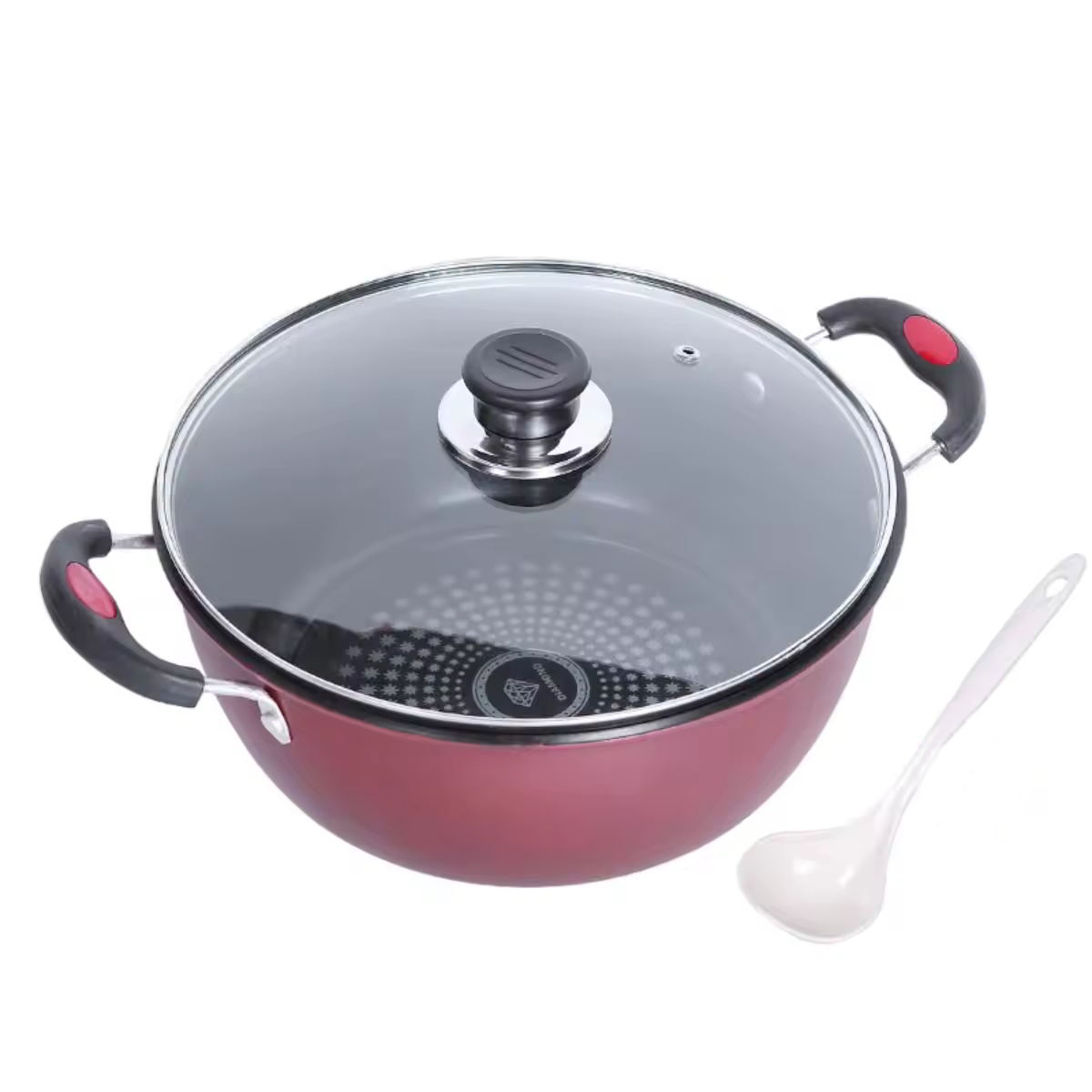 Custom Die-cast Aluminum Casserole with Ceramic Coating and LidThis durable stockpot features a stiff die-cast body and thick triple-layer ceramic coating, built to withstand everyday cooking abuse and last longer than thin pressed pans.View Product →
5 Clear Signs That Your Ceramic Pan Needs Replacing
You do not need a lab test to tell when a ceramic pan has reached the end of its useful life. Watch for these five signals during normal cooking.
- Food sticks to the center even after lowering heat and adding oil. This is the most common failure mode. When the center no longer releases eggs, crepes, or fish, the coating surface has worn down enough that the nonstick benefit is gone.
- Visible flaking or pitting on the cooking surface. Flakes are a sign that the bond between the coating and the aluminum substrate has failed. The pan keeps peeling, and food catches in the damaged edges every time you cook.
- A gray or brown discoloration that will not come off. Light staining is cosmetic, but when the discoloration comes with a rough texture and a sticky feeling, the coating has degraded at the molecular level.
- Deep scratches you can feel with a fingernail. Light surface lines are normal wear. Deep grooves expose bare aluminum, which can react with acidic foods and leave a metallic taste in your sauce.
- Warping or rocking on the burner. If the base has warped from thermal shock, heat distribution becomes uneven, which accelerates every other form of coating damage.
Replacing a ceramic pan is not expensive when you look at cost per use. A $30 pan used 150 times costs 20 cents per use. Stretching it to 250 uses drops that to 12 cents per use. Knowing when to retire a pan is part of good kitchen economics. And while a flaking ceramic coating does not change the safety of your food the way some older nonstick chemistries were scrutinized, cooking with visibly flaking pans is never pleasant — replace them.
How to Extend the Life of a Ceramic Pan: 8 Practical Rules
With disciplined care, you can push a ceramic pan from the 18-month average toward the 3-year mark. These rules cost nothing but consistency.
- Start on low heat. Place the pan on the burner at 30% power, let it warm for about 60 seconds, then increase to medium. This gentle heat-up prevents thermal shock at the coating level.
- Add oil before the pan gets hot. Let the oil warm together with the pan instead of pouring cold oil into a hot surface, which shocks the coating in the center.
- Use butter or oil even for "nonstick" cooking. Ceramic is not fully oil-free despite its label. A thin layer of fat also prevents food moisture from penetrating micropores and cooking onto the surface.
- Never heat an empty pan for more than a minute. The empty-pan preheat on high heat is the single fastest way to damage a ceramic coating. A quick preheat on medium is fine; leaving it there while you chop vegetables is not.
- Hand-wash with a soft sponge. Rinse with warm water, apply a few drops of mild dish soap, and wipe in circular motions. Never use steel wool, coarse scouring pads, or abrasive cleaning powders.
- Cool before cleaning. A hot pan taken straight from the stove and placed under cold water risks immediate micro-cracking. Wait 5 to 10 minutes until the pan is warm but not hot.
- Store with a protective layer. Put a dry paper towel or felt pan protector between stacked pans. This absorbs the abrasion from one base rubbing against the coating of the pan below.
- Recondition the surface once a month. Rub one drop of cooking oil over the entire interior surface with a paper towel, place on low heat for 90 seconds, let it cool, and wipe off the excess. This fills micropores and keeps the surface slick.
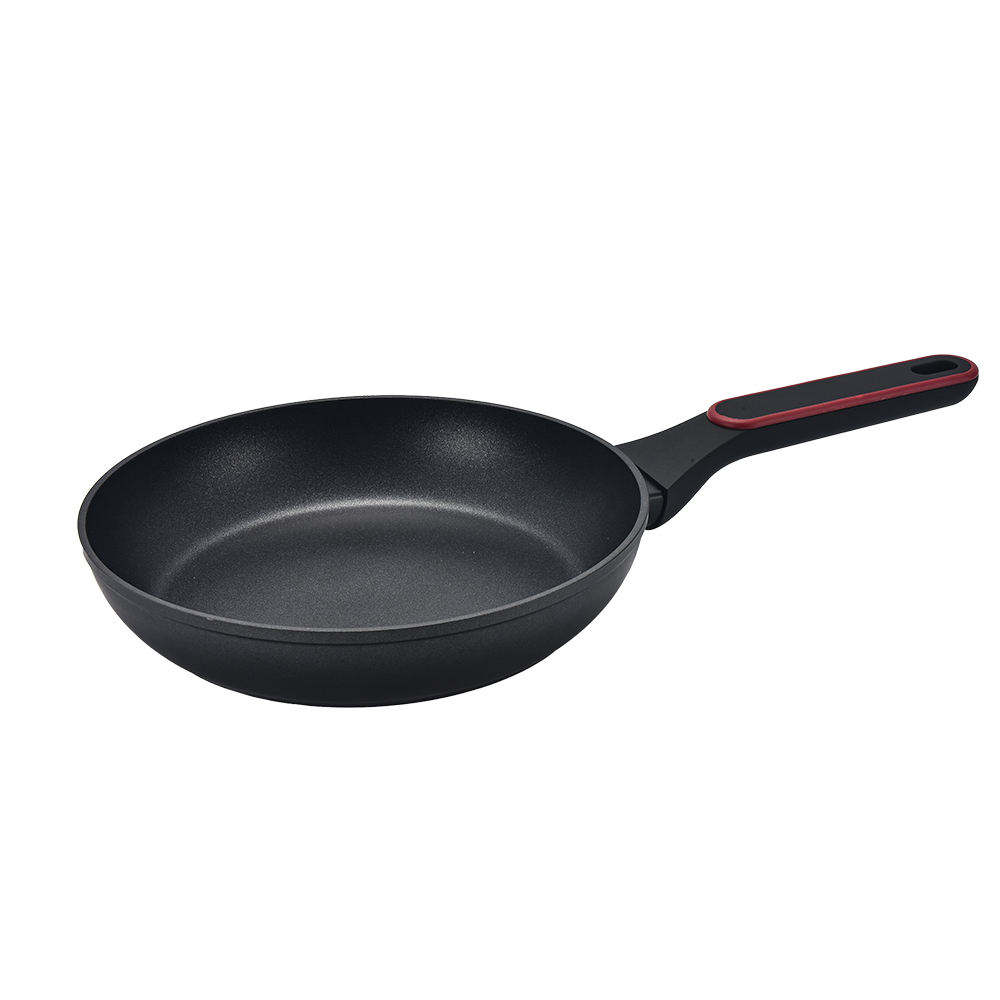
These habits mirror what we build into pans at our factory. The same ceramic-coated skillet that fails in 8 months in a careless kitchen will still release eggs at 24 months in a disciplined one. A well-constructed 11-inch ceramic frying pan with the right coating and handle design is the workhorse that benefits most from this routine.
 Custom 11-Inch Ceramic Nonstick Frying Pan with Wood-Style HandleThis versatile skillet benefits most from proper care routines and is ideal for gas or induction cooktops, with a bakelite handle and reliable nonstick coating.View Product →
Ceramic vs Other Cookware Types: Lifespan and Trade-Offs
To make an informed decision, ceramic cookware needs to be compared honestly against the alternatives. The table below puts ceramic in context with the most common pan materials.
| Pan Type | Typical Lifespan | Nonstick Release | Heat Tolerance | Maintenance |
|---|---|---|---|---|
| Ceramic-coated aluminum | 1-3 years | Good for first 1-2 years | Up to 450°F (232°C) | Hand wash, gentle tools |
| PTFE nonstick | 3-5 years | Excellent until it wears | Up to 500°F (260°C) | Hand wash, gentle tools |
| Stainless steel | 10-15+ years | None, requires oil and technique | Very high | Dishwasher safe |
| Seasoned cast iron | 20+ years / lifetime | Good with proper seasoning | Very high | Hand wash and reseason |
The trade-off is clear. Ceramic gives you a nonstick surface made from silicon dioxide sol-gel chemistry rather than fluoropolymers, with good release for the first year and acceptable release for the second. PTFE lasts longer but uses a chemistry that some cooks prefer to avoid. Steel and iron last decades but demand technique. Choose based on how you weigh convenience, material chemistry, and durability.
What to Look For When Buying a Ceramic Pan for Maximum Lifespan
If you want a ceramic pan that lasts close to 3 years instead of 12 months, examine these specifications before you pay.
| Specification | Recommended Minimum | Why It Matters |
|---|---|---|
| Coating layers | 2 layers; 3 layers preferred | Each layer adds roughly 20-30% more wear material before the aluminum substrate is exposed. |
| Base material | Forged or die-cast aluminum | Denser material conducts heat evenly and resists warping under thermal stress. |
| Base thickness | 2.2 to 3.0 mm | A thicker base prevents hot spots that concentrate thermal damage in one zone of the coating. |
| Induction bottom | Flat or hole-type induction base | A purpose-designed induction base spreads magnetic flux evenly and avoids localized overheating. |
Cheaper ceramic pans are usually made from thin pressed aluminum with a single spray of coating that cures into a 15-20 micron film. A quality pan uses die-cast or forged aluminum with a coating thickness of 30-40 microns across two or three layers. The price difference at retail is noticeable, but so is the difference in years of service.
On an induction hob, the bottom structure matters more than most buyers realize. A steel induction plate glued to the base can create heat concentration at the interface, stressing the ceramic layer above it. Purpose-made induction designs, such as the hole-type induction base used on several ceramic soup pots in our line-up, spread magnetic flux evenly and reduce that risk during slow heat-up cycles.
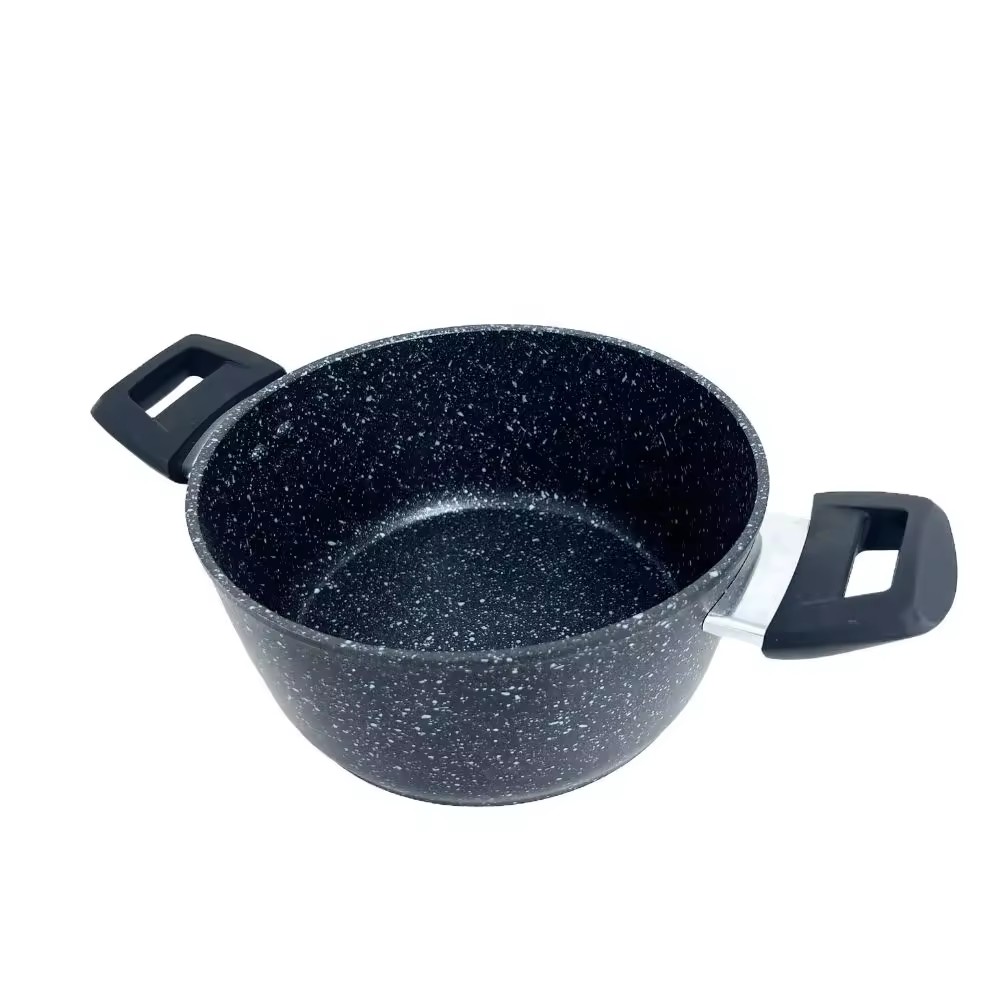 Light Grey Ceramic Soup Pot with Hole-Type Induction BaseDesigned for all hobs, this soup pot's purpose-built induction base spreads magnetic flux evenly, reducing heat stress on the ceramic layer during slow heating.View Product →
For a general-purpose skillet, an 11-inch ceramic frying pan is the most used size in American and European home kitchens. A stay-cool handle with a secure riveted or soft-touch grip also makes washing easier, which means you wash more gently. Small design choices accumulate into a longer coating life. If you are evaluating ceramic cookware for your own product line, our engineering team can walk you through coating formulations and base construction options.
Frequently Asked Questions About Ceramic Pan Lifespan
Do ceramic pans last as long as PTFE nonstick pans?
No. Typical PTFE-based nonstick pans last 3 to 5 years, while ceramic-coated pans last 1 to 3 years under similar conditions. Ceramic is a harder, more brittle coating built from silicon dioxide; PTFE is a softer polymer that wears gradually but flexes with the metal beneath it. Expect ceramic to lose its release sooner, while recognizing that it avoids fluoropolymer chemistry entirely.
Can a ceramic pan be restored once it becomes sticky?
Partially. If the stickiness comes from oil residue rather than worn coating, restoration is possible. Heat the pan on medium, add one cup of water and two tablespoons of baking soda, simmer for 5 minutes, cool, then wash and apply a thin oil reconditioning layer. If the coating itself has flaked or the center exposes bare aluminum, restoration is not possible.
Is a scratched ceramic pan safe to use?
Scratched ceramic is not a cause for alarm. The coating is silicon dioxide, the same material as sand and glass. However, deep scratches will continue to spread under use, and the exposed aluminum can react with acidic foods like tomato sauce, adding a metallic taste. For performance and cooking quality, replace the pan when deep scratches appear.
Why does my ceramic pan have a rainbow or gray stain?
A rainbow stain usually comes from overheated oil polymerizing on the surface, while a gray tint can come from mineral deposits in hard water or fine metal particles left behind by utensils. Neither is a concern. Washing with a warm vinegar solution once a month removes mineral residue without damaging the coating.
Does cooking spray ruin ceramic pans?
Yes, in a specific way. Aerosol cooking sprays contain lecithin and propellant that burn onto the surface at high heat, creating a sticky varnish-like residue that builds up over time. This residue is notoriously difficult to remove and is a leading cause of "my ceramic pan got sticky" complaints. Pouring a thin layer of regular oil from a bottle is far better than any spray.
Are more expensive ceramic pans actually worth the extra cost?
In most cases, yes. A $60 ceramic pan with a three-layer coating and a 2.5 mm forged aluminum base delivers roughly double the lifespan of a $25 single-layer pressed pan. The cost per use ends up similar, and the better pan also holds temperature more evenly, which directly improves cooking results. Inspect the layer count and base thickness on the packaging rather than judging by brand alone.
The Bottom Line on Ceramic Pan Lifespan
A ceramic pan lasts 1 to 3 years. Accept that range, choose a pan built with a thicker base and a multi-layer coating, and apply the care rules above. You will land in the upper half of the range, cook on a genuinely nonstick surface, and replace the pan only when the release is truly gone.
From a manufacturer's perspective, the practical takeaway is this: longevity is engineered, not accidental. The lifespan of ceramic cookware starts at the coating formulation and base construction, continues through every deliberate heat setting you choose, and ends the moment the utensil touches the cooking surface. Count on ceramic for two good years, take good care of it every single day, and you will rarely be disappointed.