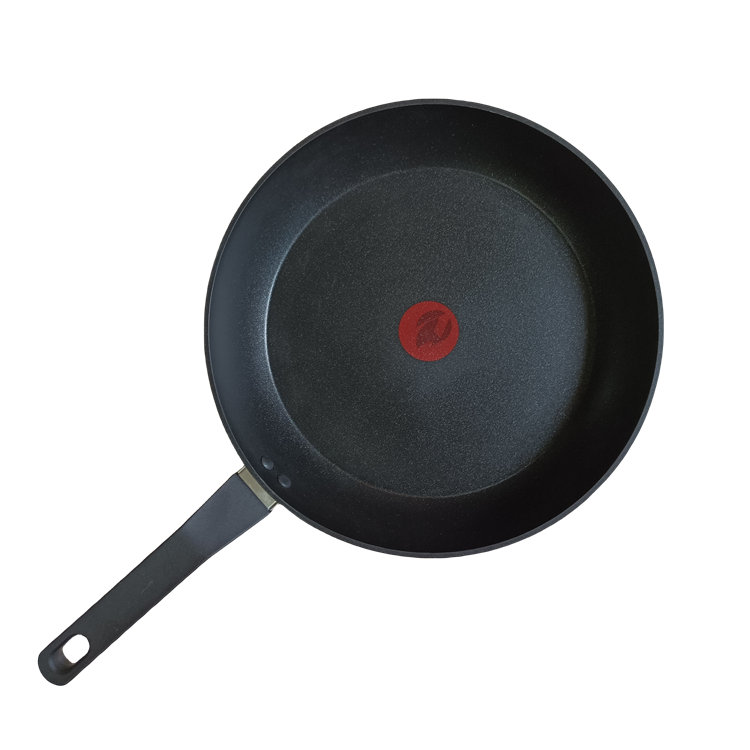
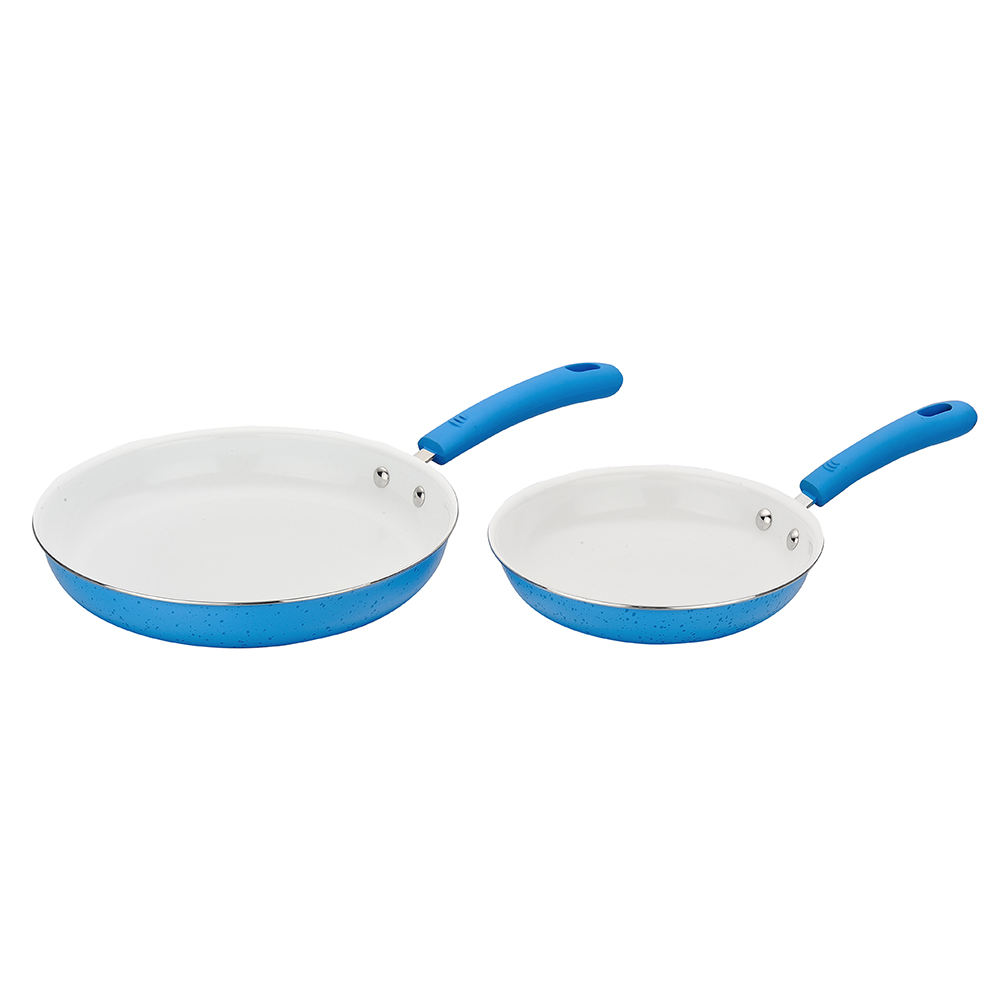
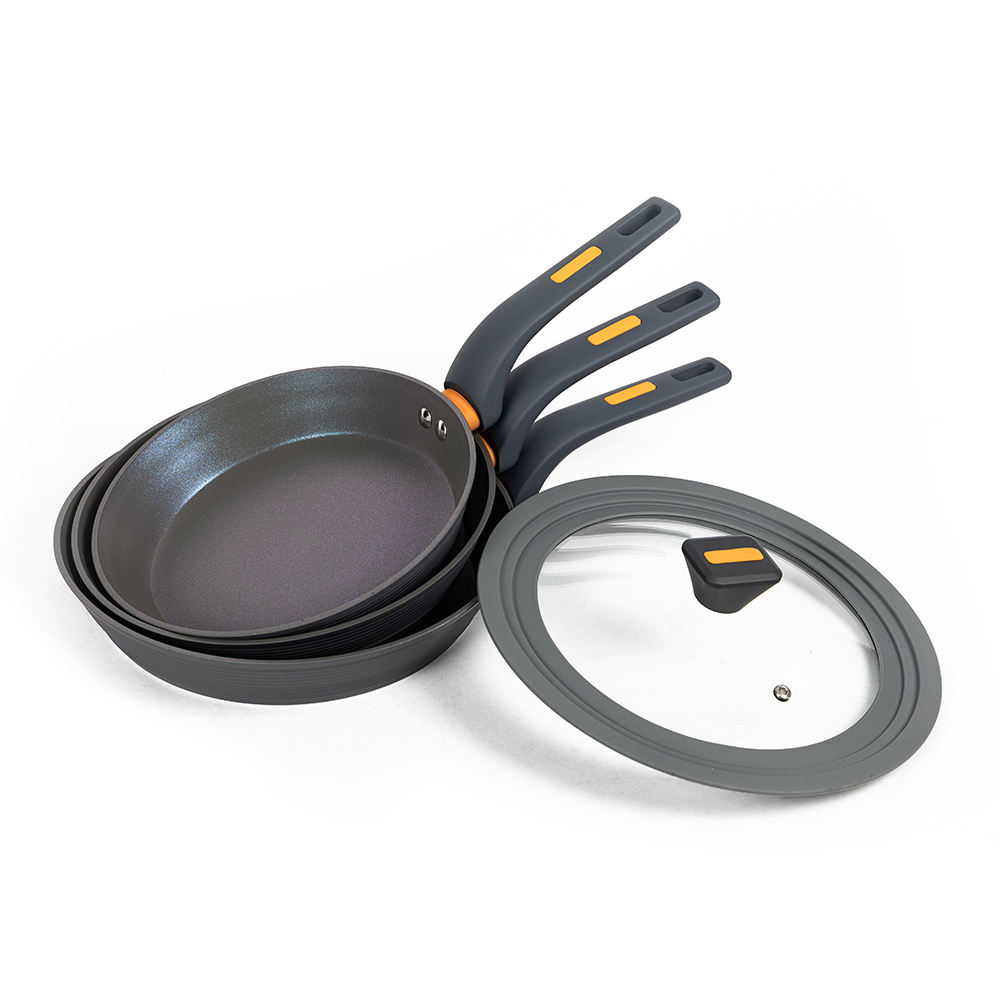
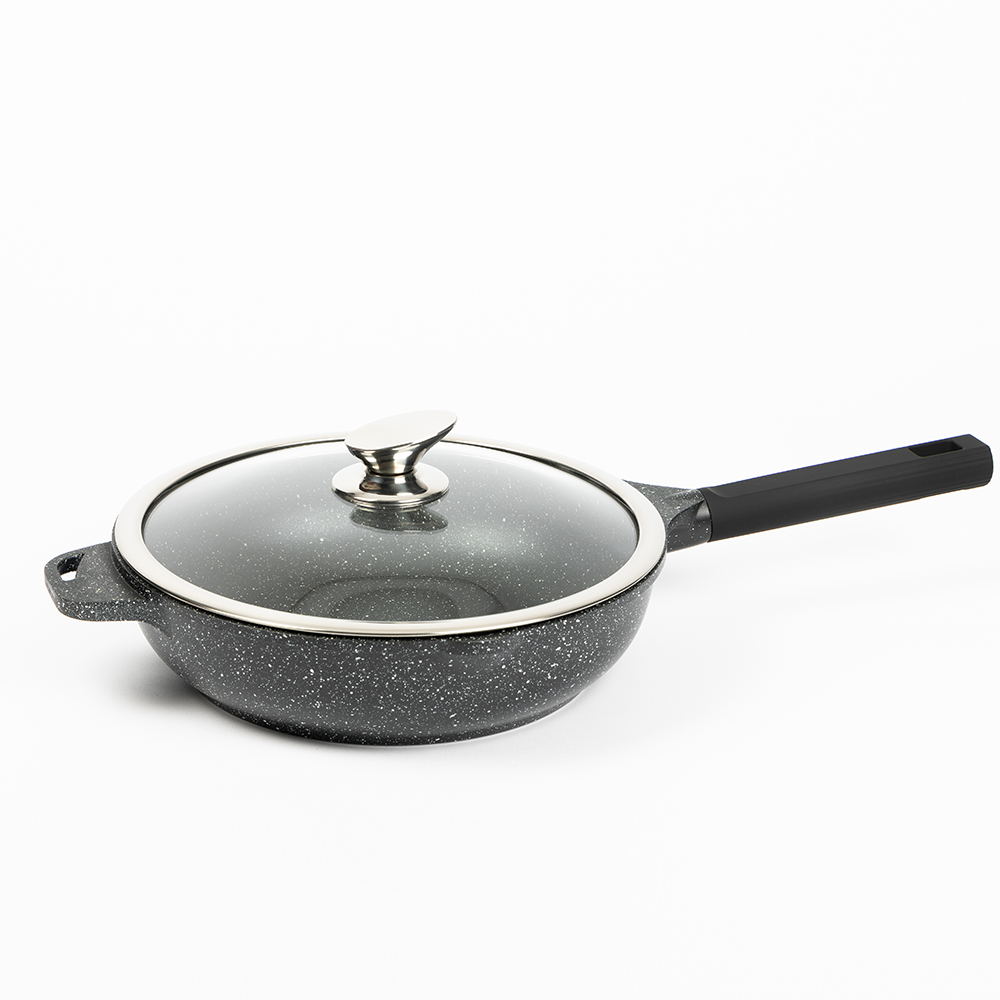
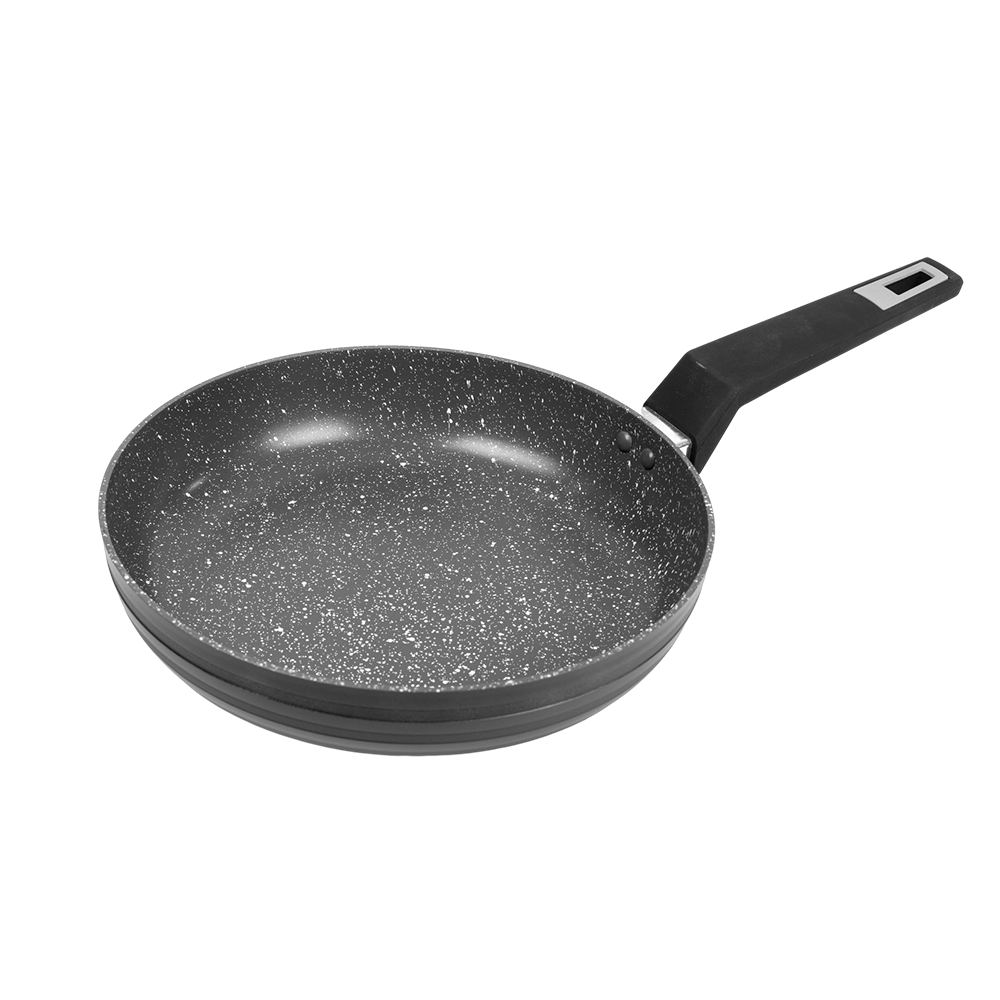
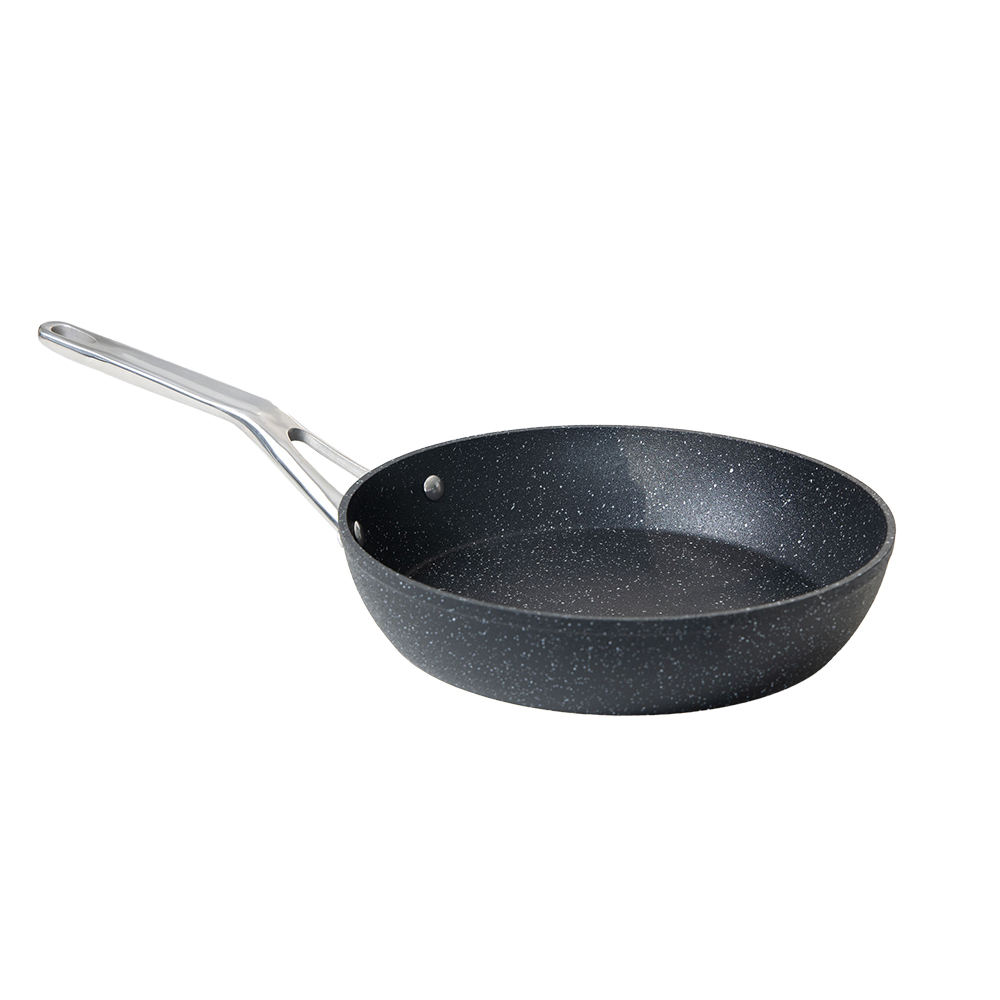
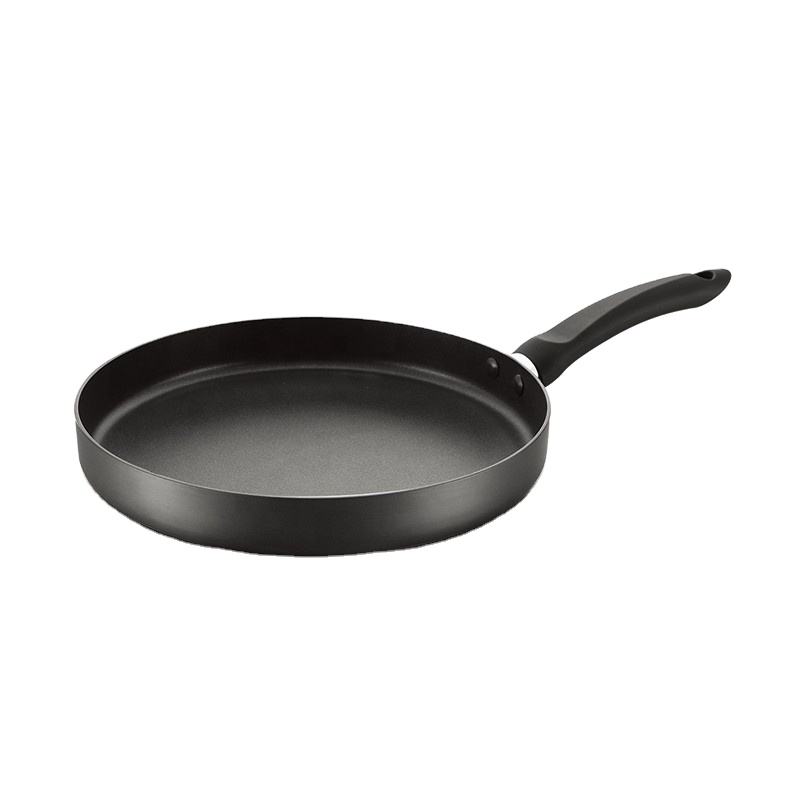
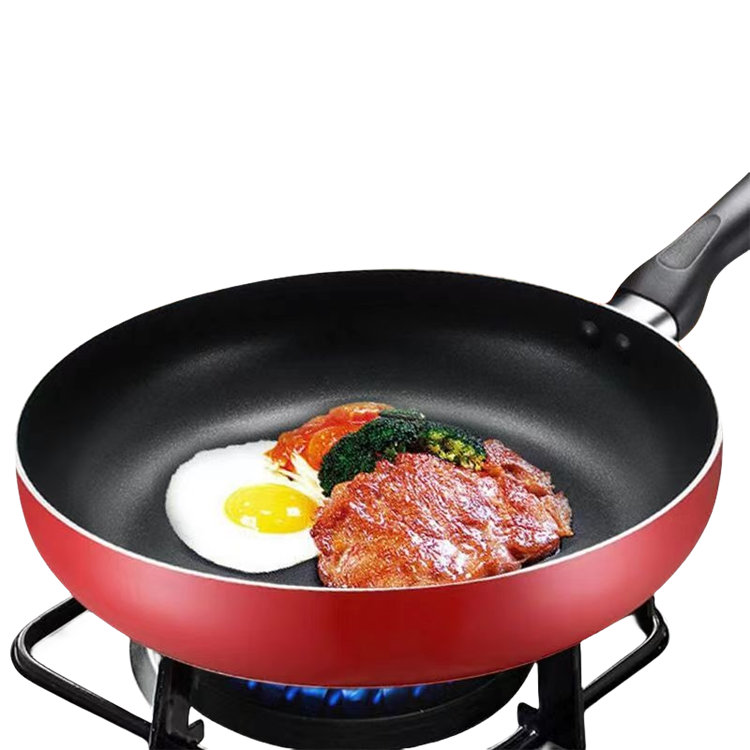
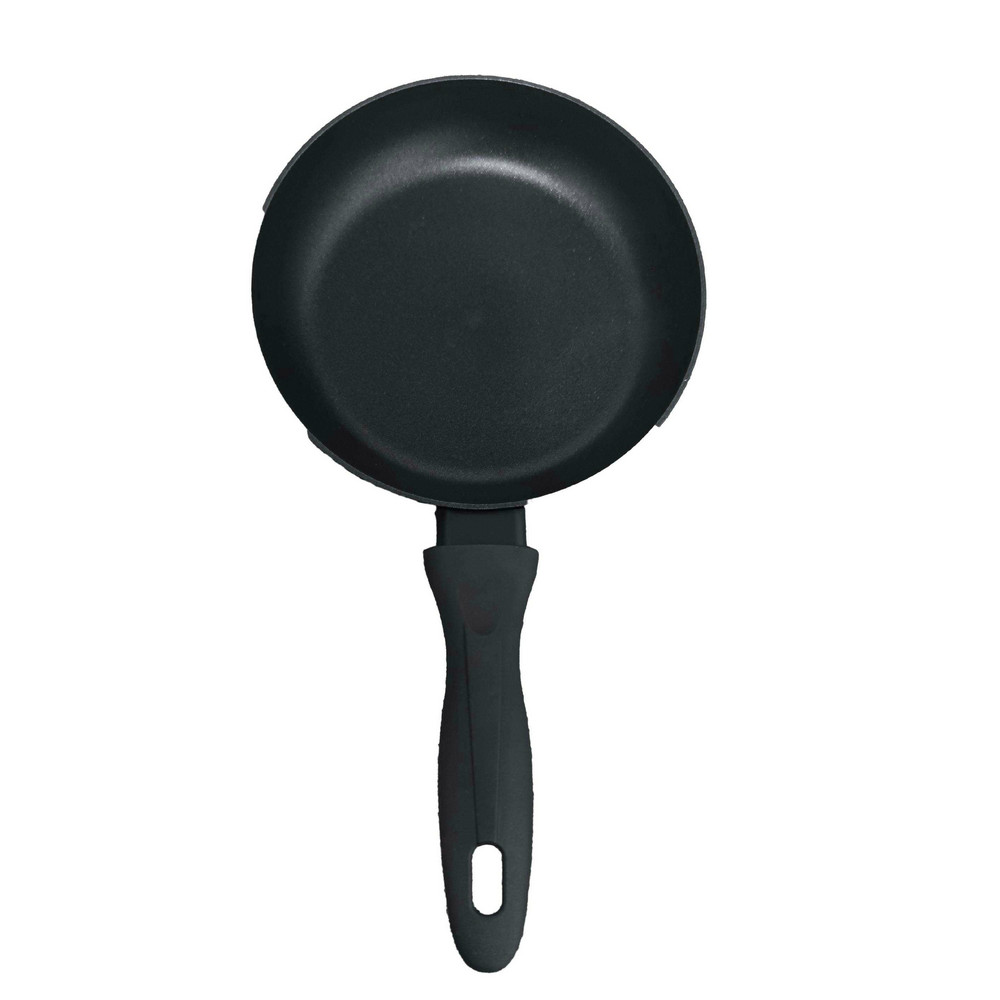
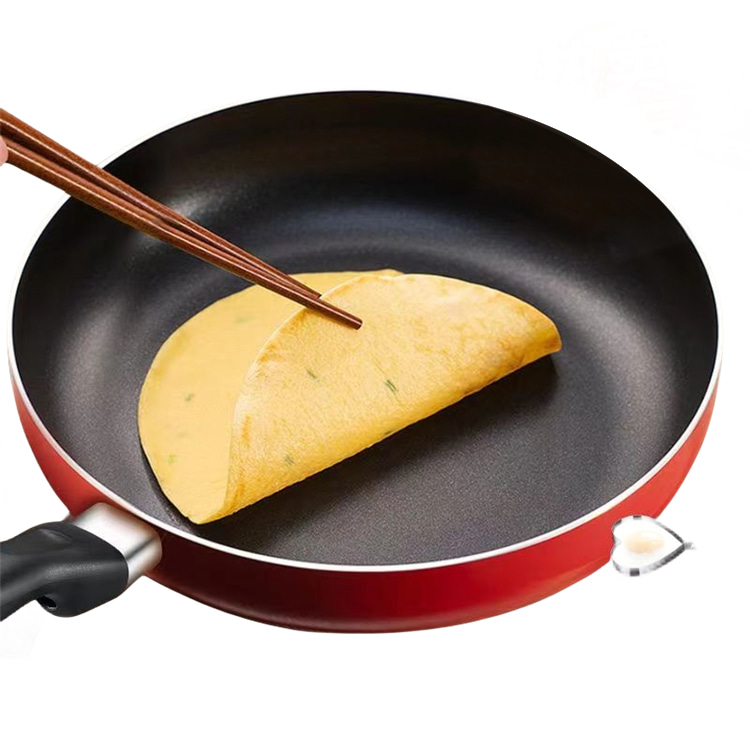
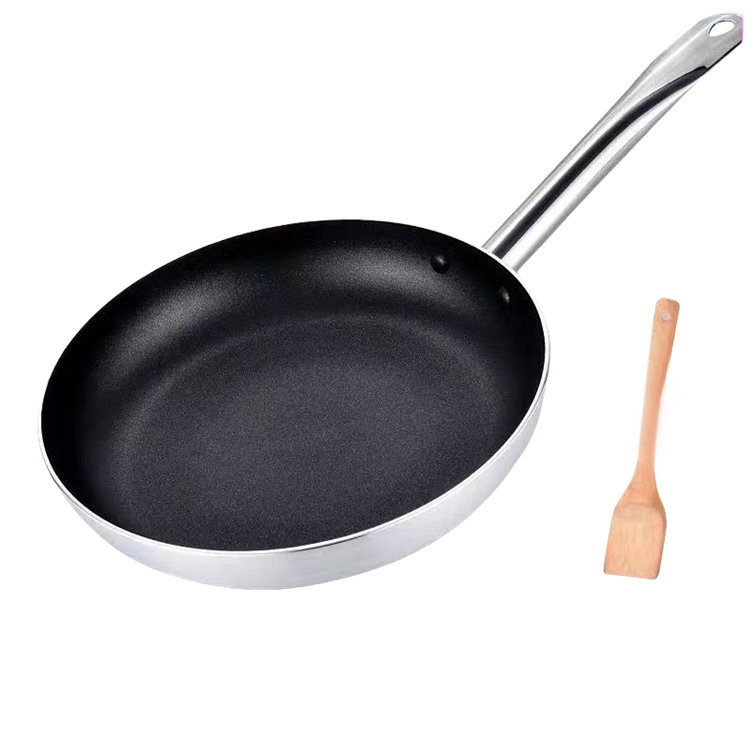
If you have ever stood in a kitchen store staring at a wall of cookware wondering whether the pan in your hand is actually a 10-inch or a 12-inch, you are not alone. Measuring a fry pan correctly means measuring the diameter across the top interior rim, not the exterior edge and not the bottom cooking surface. That single answer resolves most confusion, but there is quite a bit more to understand before you buy, replace, or match a lid to any frying pan.
This guide covers every dimension that matters—top diameter, base diameter, depth, and handle length—along with the reasons each measurement affects real cooking results. Whether you are outfitting a home kitchen from scratch, replacing a single workhorse pan, or trying to figure out which lid from your cabinet fits which pan, the details below will give you the exact information you need.
Why Pan Measurement Matters More Than Most People Realize
A fry pan that is too small causes overcrowding. When proteins like chicken thighs or shrimp are packed tightly, they steam instead of sear, and you never get the brown crust that builds flavor. A pan that is too large creates hot, exposed surface areas that burn off fond before you can use it for a pan sauce. Getting the diameter right is not about precision for its own sake—it has a direct impact on the food you produce.
Lid compatibility is the other major reason to understand pan measurements. Most lids are sold by the top rim diameter of the pan they are designed to cover. A lid labeled "10-inch" is meant for a fry pan whose top rim measures 10 inches across. If you measure the bottom of the pan instead, you will consistently buy lids that are too small and do not seat properly, letting steam escape and slowing down braising or reduction times.
Recipe instructions also reference pan size. When a recipe says "heat oil in a 12-inch skillet," the recipe developer tested timing, browning, and evaporation rates based on that surface area. Using an 8-inch pan for a recipe designed for 12 inches will change cooking time and results noticeably. Surface area scales with the square of the radius, so a 12-inch pan has roughly 113 square inches of cooking surface while an 8-inch pan has only about 50 square inches—less than half.
How to Measure a Fry Pan: Step-by-Step
You only need a standard tape measure or a ruler long enough to span the pan. Follow these steps in order.
01
Place the Pan on a Flat Surface
Set the fry pan right-side up on a stable counter or table. The pan should sit level so your measurement is not skewed by an angled surface.
02
Stretch the Tape Across the Top Opening
Position one end of the tape measure at the inside edge of the rim on one side and stretch it straight across to the inside edge of the rim on the opposite side. This measurement is the interior top diameter. Do not measure from the outer edges of the rim—that adds roughly half an inch to three-quarters of an inch depending on how thick the rim is, and it is not how cookware is labeled in stores.
03
Read and Record the Number
Most fry pans come in standard sizes: 8 inches, 10 inches, 11 inches, and 12 inches are by far the most common in home kitchens. Professional cookware also comes in 14-inch versions. If your tape reads 9.5 inches, the pan is most likely marketed as a 10-inch pan since manufacturers round to the nearest whole number in most cases.
04
Measure the Base Diameter Separately
Flip the pan upside down or look at the bottom. Measure the flat cooking surface from one inner edge to the other. On most fry pans, the base is 2 to 3 inches smaller than the top rim diameter because the walls flare outward. A 12-inch pan often has a 9- to 10-inch base. This base measurement matters when you are checking whether the pan will heat evenly on an induction or electric burner with a specific coil size.
05
Measure the Depth
Stand a ruler vertically inside the pan, touching the center of the flat base. Read the measurement at the point where the ruler reaches the top of the rim. A standard fry pan typically measures between 1.5 and 2.5 inches deep. A deeper variant—sometimes called a deep fry pan or a chef's pan—can reach 3 inches. Depth affects how much liquid a pan can hold and how well heat retains around tall ingredients.
Standard Fry Pan Sizes and Their Best Uses
Understanding common sizes helps you match the right pan to the right task rather than defaulting to whatever is closest on the shelf.
| Top Diameter |
Typical Base |
Best For |
Servings |
| 8 inches |
5.5 to 6 inches |
Eggs, single pancake, reheating, sauteing one portion |
1 to 2 |
| 10 inches |
7 to 7.5 inches |
Chicken breast, steak, sauteed vegetables, frittata |
2 to 3 |
| 12 inches |
9 to 9.5 inches |
Family meals, batch cooking, large cuts, stir-fry |
3 to 5 |
| 14 inches |
10.5 to 11 inches |
Professional kitchen, large paella, whole fish |
6 or more |
Common fry pan sizes with typical base diameters and recommended uses
The 10-inch and 12-inch fry pans are the most versatile for home cooking. If a household can only have two pans, those two sizes cover almost every daily cooking task. The 8-inch is a useful addition for eggs and small portions but rarely serves as a primary pan.
How Pan Material Affects the Measurement You Should Choose
The same nominal size can behave very differently depending on the material the fry pan is made from. Material affects weight, heat distribution, how quickly the pan responds to temperature changes, and therefore how crowded the pan should actually be when cooking.
Stainless Steel Fry Pans
Stainless fry pans have excellent durability and are safe for the oven and metal utensils. They heat relatively unevenly unless the pan has an aluminum or copper core. A 12-inch stainless pan is heavy enough that some home cooks find it difficult to toss ingredients. If weight is a concern, a 10-inch version often handles the same tasks with more control. Base diameter is especially important for stainless pans used on induction cooktops because the magnetic base must align well with the burner coil.
Cast Iron Fry Pans
Cast iron fry pans are the heaviest option. A 12-inch cast iron pan typically weighs between 7 and 8 pounds when empty. The size you choose should reflect both your cooking needs and your ability to handle the weight safely on the stovetop and in the oven. Cast iron retains heat extremely well, so a 10-inch cast iron pan can maintain searing temperatures longer than a 12-inch stainless pan of equivalent quality. Cast iron pans also tend to have a slightly smaller effective cooking surface relative to their labeled size because the walls are thicker, reducing the interior cooking area by about half an inch on each side.
Nonstick Fry Pans
Nonstick fry pans are most commonly used for eggs, fish, and delicate proteins. Because food releases easily, there is less concern about overcrowding causing sticking, but evaporation and browning are still affected by surface area. The nonstick coating on many pans adds a very slight thickness to the interior walls, so a labeled 10-inch nonstick pan might have a true interior cooking diameter of 9.6 to 9.8 inches. This is minor but worth knowing if you are trying to match the pan to a specific recipe.
Carbon Steel Fry Pans
Carbon steel is lighter than cast iron but shares many of its performance characteristics. It is a favorite in professional kitchens. Carbon steel fry pans are sized the same way as all other pans—top interior rim diameter—but they often have a more pronounced flare in the walls, meaning the base can be noticeably smaller relative to the top than in stainless steel or cast iron pans of the same labeled size.
Matching Fry Pan Size to Your Burner or Cooktop
One measurement that many guides skip is the relationship between the pan base and the burner size. Using a pan that is significantly larger or smaller than your burner creates uneven heating and wasted energy.
Gas Burners
Gas burners spread heat outward in a ring. Most residential gas burners have a flame ring diameter between 4 and 6 inches. A pan base that is significantly larger than the flame ring will have cold spots in the center. For gas cooking, a 10-inch fry pan with a 7-inch base tends to heat more evenly than a 12-inch pan with a 9.5-inch base on a standard home burner unless you have a high-BTU range with larger burners.
Electric Coil Burners
Electric coil burners are typically 6 or 8 inches in diameter. A fry pan base should be within about an inch of the coil diameter for best results. Using a pan with a base much smaller than the coil wastes electricity; using a pan with a base much larger than the coil creates slow, uneven heating.
Induction Cooktops
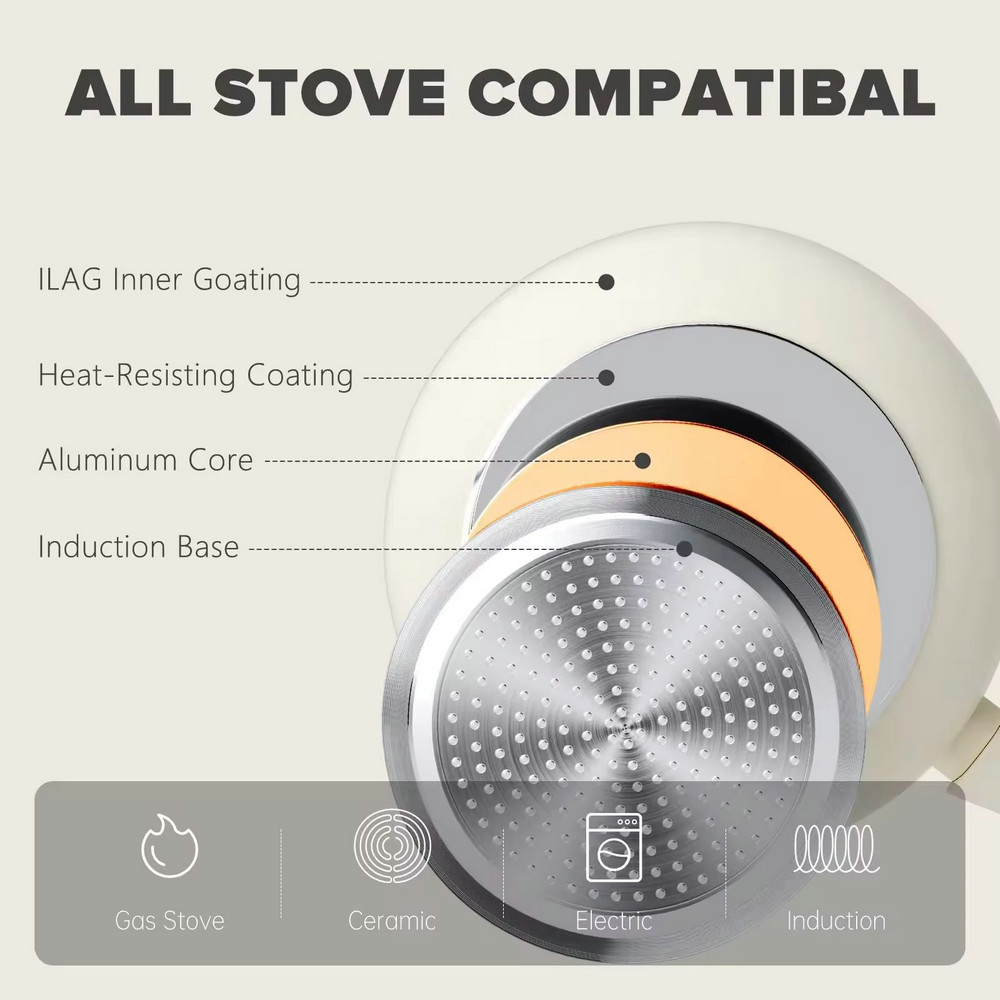
Induction burners require a magnetic pan base that sits within the induction zone, which is usually between 6 and 10 inches depending on the unit. Most induction cooktops also have a minimum pan size requirement—typically at least 4 to 5 inches—below which the burner will not activate. For induction cooking, the base diameter of the fry pan is the critical measurement, not the top rim diameter. Always check your induction cooktop specifications before buying a new pan.
Glass Ceramic Cooktops
Glass ceramic surfaces heat through radiant electric elements. The pan base should be flat and smooth to maintain good contact with the surface. Any warping in the base creates hot spots and extends cooking time. On glass ceramic surfaces, the pan base diameter should be close to but not smaller than the marked burner circle printed on the cooktop surface.
Finding the Right Lid for Any Fry Pan
Lid sizing follows the top rim diameter of the pan. A lid sold as "12 inches" is designed to rest on the rim of a fry pan whose interior top diameter measures 12 inches. The lid itself is slightly larger than 12 inches so it can overlap the rim and create a seal.
The most common problem people encounter is measuring the bottom of the pan and then buying a lid to match that number. Because the base is always smaller than the top, the lid they buy is too small and either falls into the pan or sits at an angle that does not seal. Always measure the top rim when shopping for lids.
Universal lids with adjustable diameters are available for home cooks who own multiple pans of different sizes. These lids typically cover a range such as 9.5 to 12 inches by using a stepped rim design. They are convenient but do not seal as tightly as a purpose-fit lid, which matters if you are doing low-and-slow braising where moisture retention is important.
Practical tip: If you already own a lid and want to find which pan it fits, measure the inner diameter of the lid rim—the distance across the inside of the rim that actually contacts the pan. That measurement should match the top interior rim diameter of your fry pan.
Handle Length and Overall Pan Footprint
The labeled size of a fry pan refers only to the cooking diameter, not the total length including the handle. This becomes important when you are considering storage, oven use, or hanging pans on a rack.
On a standard 12-inch fry pan, the handle typically adds another 8 to 10 inches, bringing the total length to around 20 to 22 inches. An 8-inch pan with a 7-inch handle is about 15 inches total. These total lengths matter for drawer storage, hanging racks, and for clearing overhead cabinet doors when you are cooking on the back burner of a stovetop.
Oven use is another dimension where handle measurement matters. Most fry pan handles are rated for oven temperatures up to 400 to 500 degrees Fahrenheit, but you need to confirm that the handle fits inside your oven when the pan is positioned on the center rack. A 12-inch pan with a 10-inch handle in a standard 30-inch oven usually fits fine, but placing it at an angle to close the oven door can tilt the pan and cause uneven cooking.
Depth Measurement and What It Tells You About Pan Function
Depth is the measurement most people skip when evaluating a fry pan, but it has a significant effect on versatility. A shallow fry pan is optimized for quick searing and sauting where you want rapid moisture evaporation to develop browning and concentrated flavors. A deeper pan can handle tasks that are normally reserved for saucepans or sauté pans.
- 1.5 inches deep: Best for eggs, crepes, thin pancakes, and quick vegetable sautés. This depth keeps the cooking surface in close contact with heat and minimizes steam buildup.
- 2 to 2.5 inches deep: The standard range for most fry pans. This depth handles everything from searing a steak to making a pan sauce without splashing.
- 3 inches or more: Deep fry pans overlap with sauté pans in function. These can hold enough liquid to braise chicken thighs or cook pasta in a sauce directly in the pan. If you are trying to reduce the number of pans in your kitchen, a deep 12-inch fry pan can replace both a shallow fry pan and a separate braise pan in many situations.
When measuring depth, always measure from the interior flat base to the top of the rim. Do not include any lip or flange that extends above the rim.
What to Measure Before Buying a New Fry Pan
If you are replacing an existing fry pan or expanding a set, take these measurements before purchasing to avoid returns and mismatches.
- Measure the top interior rim diameter of the pan you are replacing to find the equivalent size.
- Check the base diameter of your burner or induction zone and compare it to the base diameter listed in the product specifications of the pan you are considering.
- Measure the interior of your cabinet or drawer where the pan will be stored and compare it to the total length (pan diameter plus handle) of the pan you are considering.
- If you plan to use the pan in the oven, measure the interior width of your oven and confirm the pan plus handle will fit on the rack without touching the oven walls.
- If you want a lid, note the top rim interior diameter and buy a lid to match that number exactly.
Taking these five measurements before buying saves the frustration of discovering a mismatch after unpacking a new pan. It takes under five minutes and prevents almost every sizing-related return.
Common Measuring Mistakes and How to Avoid Them
Mistake
Measuring the Exterior Rim
The outer diameter of a fry pan includes the thickness of the rim and the wall. This measurement can be as much as 1 inch larger than the interior top measurement. If you buy a lid or a replacement pan based on the exterior diameter, it will be the wrong size. Always measure the interior.
Mistake
Measuring the Base as the Pan Size
The base of a fry pan is always smaller than the top because the sides flare outward. Treating the base measurement as the pan size leads to buying lids and accessories that are too small. The industry standard is to label pans by their top interior diameter, so that is the number to use for all purchasing decisions.
Mistake
Ignoring Half-Inch Rounding
Manufacturers round pan sizes to the nearest inch. A pan that measures 11.5 inches at the interior top rim is typically sold and labeled as a 12-inch pan. If your tape reads 9.5, the pan is being sold as 10 inches. This rounding is consistent across major brands, so always round to the nearest inch when using your measurement to search for replacement parts or lids.
Mistake
Not Accounting for Warping
Old fry pans, especially thin stainless or aluminum pans, can warp over time from repeated high-heat exposure. A warped pan may measure differently across two perpendicular diameters. If your tape reads 10 inches in one direction and 10.5 in another, the pan has warped. A warped base also creates uneven contact with electric or glass ceramic burners. This is not just a measurement issue—it affects cooking performance significantly and is a sign the pan should be replaced.
Frequently Asked Questions About Fry Pan Measurements
Is the size printed on the bottom of a fry pan accurate?
Usually yes, but not always. Many manufacturers stamp the labeled size on the base of the pan during production. This labeled size matches the interior top diameter at the time of manufacturing. However, some budget pans use loose sizing conventions. When in doubt, measure the interior top rim yourself rather than relying on the stamped number.
Do European fry pans use different sizing than American pans?
European cookware is typically labeled in centimeters while American cookware is labeled in inches. The measurement method is the same—top interior rim diameter—just in different units. A 26-centimeter fry pan is approximately 10.2 inches, which is sold as a 10-inch pan in the American market. A 28-centimeter pan equals about 11 inches and is sometimes sold as an 11-inch pan, though in practice these are often labeled as 12-inch pans by some brands. When converting, divide centimeters by 2.54 to get inches.
Why do some fry pans feel bigger than their labeled size?
Wall angle is the answer. Two fry pans can both measure 10 inches at the top rim but have noticeably different cooking surface areas depending on how steeply the walls angle outward. A pan with more vertical walls (like many French sauté pans) will have a larger, flatter base relative to the top diameter. A pan with widely flared walls will have a smaller base. The wall angle also affects how easy it is to flip food and access the cooking surface with a spatula.
Can I use a pan that is slightly larger than my burner?
Yes, with some trade-offs. A pan up to 2 inches wider than the burner will still heat adequately, especially on gas where the flame spreads beyond the ring. The edges of the pan will heat more slowly, but for most cooking tasks this is manageable. Going more than 2 to 3 inches beyond the burner size on a gas or electric range creates more significant heat distribution issues and can be a fire hazard with gas if the flame extends past the pan edge.
Summary: The Numbers That Matter When Measuring a Fry Pan
To bring everything together into a practical reference, here are the key dimensions and what each one tells you.
| Measurement |
What It Is |
Why It Matters |
| Top interior diameter |
Distance across inside of rim, rim to rim |
The official pan size; used for all labeling, lid matching, and recipe references |
| Base diameter |
Flat bottom cooking surface, edge to edge |
Burner and induction cooktop compatibility; actual searing surface area |
| Depth |
Interior height from base center to rim top |
Liquid capacity; versatility for braising and saucing tasks |
| Total length |
Pan diameter plus handle length |
Storage fit; oven clearance; cabinet and drawer compatibility |
Key fry pan measurements and their practical significance
The top interior rim diameter is the number that defines a fry pan's size in every store, catalog, and recipe. Measure it with a tape measure stretched from inside edge to inside edge across the opening at the top of the pan. Everything else—base size, depth, total length—provides additional context for specific purchasing decisions and compatibility checks. With these measurements in hand, choosing the right fry pan or finding the right lid becomes a straightforward process rather than a guessing game.

 English
 中文简体
中文简体
 日本語
日本語
 Español